

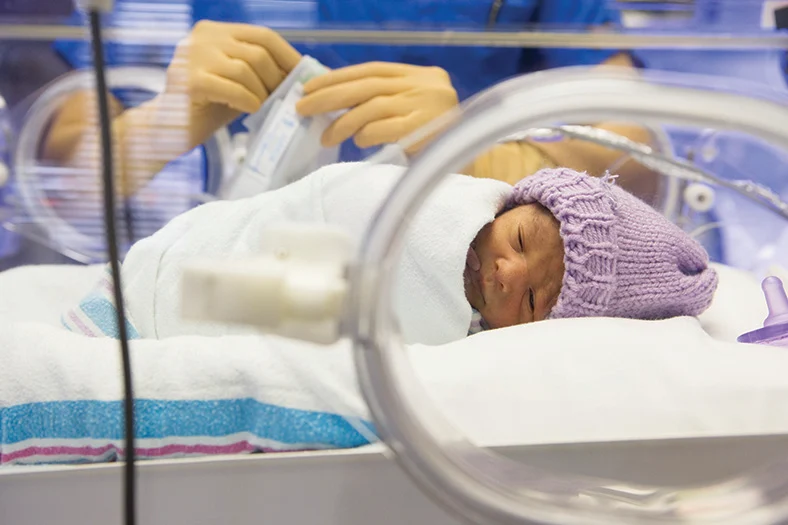
Perinatal health between pregnancy and age one has traditionally included maternal nutrition, prenatal screening, and delivery. Yet another, younger, and one of the least well-recognized of these in maternal microbiome function in neonatal immune development exists. Cumulative evidence has been mounting with strong argument for organization and diversity of the microbiota, i.e., of gut, vagina, and placenta, and their role in fetal and neonate immunological programming of response. The relationship is of direct importance to human prenatal health, chronic disease prevention, and infant intervention. Maternal microbiome is a dynamic microbial community whose, during pregnancy, is transformatively reassembled.
Hormonally reorganizes during pregnancy, restructuring microbial architecture, i.e., gut and vaginal tract, most pertinent locations of microbial interactions with vaginally delivered infant. Mother’s microbes colonize infant at birth and are challenged to play key roles as immunogram builders. Cesarean-section-born infants are challenged with radically different microbial flora—basically environmental and skin microbes—and higher rates of allergy, asthma, and autoimmune disease. Follow-up research repeatedly equated the presence of Lactobacillus, Bifidobacterium, and Bacteroides bacteria within the mother’s gut with enhanced immunological tolerance and reduced inflammation disease in the infant.
These microbials produce the short-chain fatty acids (SCFAs) which pre-condition the neonate’s immune cells to be able to distinguish between pathogenic and non-pathogenic antigens. Maternal dysbiosis—via diet, stress, or antibiotic exposure, for instance—is able to disrupt this, with resultant immune dysregulation in offspring to ensue. The third of these areas of interest is the research area of placental microbiome—historically long believed to be sterile.
Viable functional low-biomass microbial populations occur in the placenta, a finding that supports the onset of microbial transfer in utero, earlier than hitherto conjectured by dogma. Predisposed to shape fetal immune cell ontogeny, pre-ripening them for their first contact with the external environment at birth. Deceptive as it seems, findings negate ancient dogma and introduce new targets for microbial targeted therapies in pregnancy. Clinically, each of these observations requires deviation from normal obstetric practice. Prophylactic antibiotic prophylaxis in otherwise healthy environments, and particularly in Cesarean section delivery, denies mother and baby opportunity to encounter beneficial microbes. Likewise, probiotic supplementation during pregnancy—which was on the fringes of practice—now is researched as a way of programming infant immunological outcome to advantage.
Shining brightly as they do, these relationships are of deeply universal importance beyond neonatal well-being, however, and resound along the whole length of the whole human life-course. Immune dysregulatory conditions such as Type 1 diabetes, inflammatory bowel disease, and indeed neurodevelopmental disease can all sensibly reasonably all share early microbial colonization as their common etiology. Mother-to-infant microbiome reconstitution and management is thus a highly effective, low-tech, non-invasive prophylactic regimen.
Shortly, neonatal immune system interface with maternal microbiome development is a new page of perinatal medicine, an interdisciplinary consolidation of microbiology, obstetrics, and immunology. Though more and more scientists are focused on this challenge, we can rebuild perinatal practice and life-long health rhythm. Growing and shaping these micro-communities, in fact, we create the path to human health from scratch.















Leave a Reply