

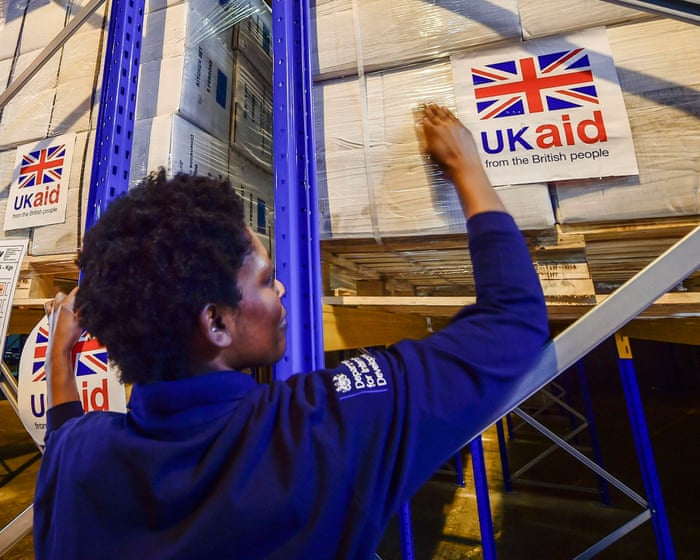
In February of 2025, the United Kingdom slashed its international aid budget from 0.5% to 0.3% of its Gross National Income by 2027, a cut of 40 percent. This means that the aid budget in 2027 would be around 9.2 billion euros, compared to 15.3 billion euros in aid spending in 2023. This move comes as an effort to pay for an increase in military defense spending, causing British aid to move to its lowest level in 25 years.
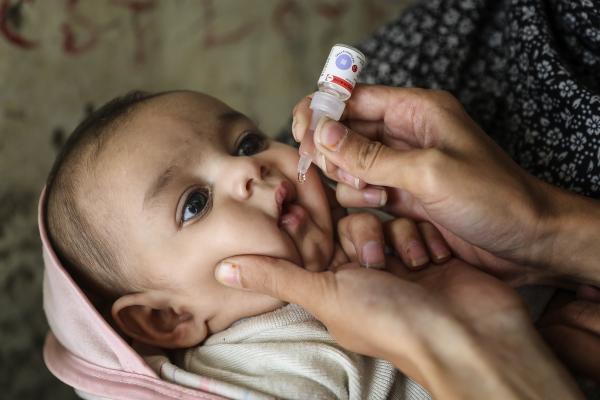
These aid cuts not only drop the value of British aid but may also put hundreds of thousands of lives at risk by depriving people around the world of aid. For example, the Global Polio Eradication Initiative, which has constantly benefited from British funding, could lose resources to help with vaccination campaigns and surveillance. Because polio is contagious and can quickly cross borders, weakened prevention systems are likely to contribute to a decline in public health metrics globally. In addition, many bilateral partnerships across Africa, the Balkans and the Caribbean could be paused or even dismantled. In-donor refugee costs already used up to 28% of the aid budget in 2023 and may consume nearly half of the reduced funds unless governed by stricter limits.
This also means cuts to Gavi, the Vaccine Alliance, a global health partnership to improve immunization access, which could result in an estimated 600,000 preventable deaths to children over the next five years due to polio and measles. It also lessens humanitarian aid in the Middle East and Africa, with Ethiopia predicted to lose the most aid and severe hits to Jordan and Afghanistan. And the decision to sacrifice life-saving aid in order to build up military defence is causing opposition among health figures, who point out the significance of saving lives rather than spending on big military budgets. However, these changes are not meant to be permanent. The British government intends to restore aid budgets back to 0.5 percent by 2027 despite the drop, so this will only affect areas in need for two years as the levels of aid have been lowered.
This stark decision, despite the British government’s efforts to restore the previous aid budget in two years, represents an international and political shift that prioritizes military and security over the lives of hundreds of thousands in areas that, at least partially, require British and international support.
IMAGE CREDIT: The Guardian







Leave a Reply