

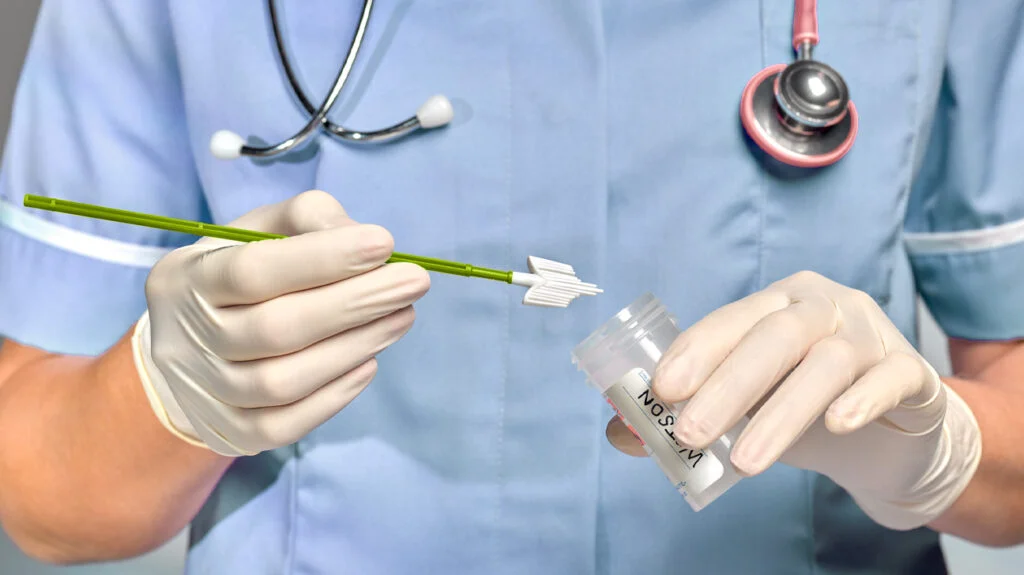
Human Papillomavirus (HPV) is one of the most widespread sexually transmitted infections (STIs), with millions of new cases reported each year. Most sexually active people will contract HPV at some point in their lives, often without even knowing it. While many strains are harmless and clear on their own, some types can lead to serious health issues, including cancer.
How HPV Spreads
HPV spreads through direct skin-to-skin contact, usually during vaginal, anal, or oral sex. Unlike many STIs, HPV does not require penetration to be transmitted—it can be passed through simple genital contact. This makes it difficult to completely prevent through condom use alone, though condoms still significantly reduce risk.
Types of HPV
There are over 100 types of HPV, with around 40 affecting the genital area.
- Low-risk HPV types (like types 6 and 11) can cause warts on the genitals, mouth, or throat.
- High-risk HPV types (such as types 16 and 18) are known to cause several cancers, including cervical, vaginal, vulvar, penile, anal, and oropharyngeal (throat) cancer.
Symptoms and Health Risks
Most HPV infections cause no symptoms and resolve on their own within 1–2 years. However, in some cases, the virus persists in the body and can cause:
- Genital warts, which appear as small bumps on the genital area
- Abnormal Pap smear results due to changes in cervical cells
- Precancerous lesions or cancer if not detected and treated in time
Prevention and Vaccination
Vaccination is the most effective way to prevent HPV infection and its complications. The HPV vaccine (commonly known as Gardasil 9) protects against the most dangerous strains. It is recommended for:
- Preteens (boys and girls) at age 11–12, before sexual activity begins
- Teens and young adults up to age 26
- Adults aged 27–45, after discussion with a healthcare provider
In addition, practicing safe sex and limiting the number of sexual partners can help lower the risk of transmission.
Screening and Treatment
Although there is no cure for HPV itself, regular screening can detect early signs of health problems caused by the virus:
- Women are advised to get Pap tests and, when appropriate, HPV tests to identify abnormal cervical cells.
- Genital warts can be removed through topical treatments, cryotherapy (freezing), or minor surgery.
- Precancerous lesions can also be treated to prevent the development of cancer.
HPV in Men
While cervical cancer is the most well-known HPV-related disease, men can also be affected. HPV can cause genital warts, as well as penile, anal, and throat cancers in males. Vaccination and awareness are just as important for men.










Leave a Reply