

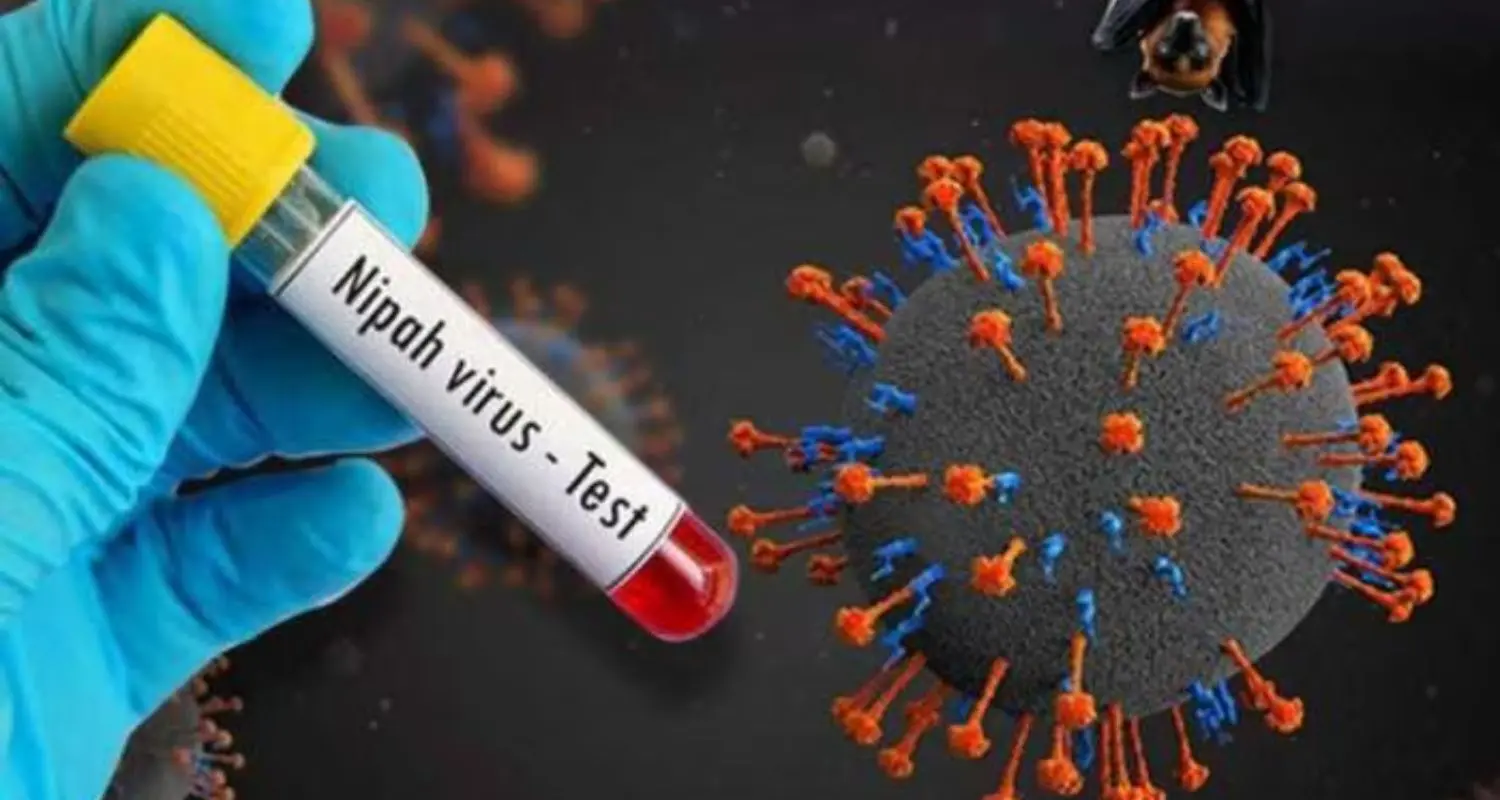
Still gaining some traction in the public health arena post-COVID-19, Nipah virus could yet become a household name. With several exploded outbreaks across South- and Southeast Asia, experts warn that it could well trigger the next pandemic should it ever be ignored. With a death rate of 40-75%, no treatment, and no vaccine yet accepted, it’s recognized as among the deadliest emerging health threats today.
Nipah virus is a zoonotic disease, meaning it passes from animals to humans. Fruit bats of the Pteropus genus are recognized carriers. In some outbreaks, infection has been acquired by people after eating fruits or drinking liquids contaminated with bat saliva or droppings. A person can also pass it to another person, mostly in healthcare settings or among intimates. Usually, symptoms begin with fever, headache, and muscle pain but rapidly advance to brain inflammation (encephalitis), seizures, and coma. Death follows, in extreme cases; within a few days.
“Exist globally health experts not just about the occurrence of the disease but about all the enabling factors surrounding it. Deforestation, rapid urbanization, and climate change are pushing bats virtually up to human areas, which, in turn, increases the risk of spillover. In countries like Bangladesh, Malaysia, and India, the virus can quickly disperse through far-flung and densely packed places where access to healthcare and sanitation is concerningly abysmal.
Despite the enormous potential it has to threaten human lives, research on Nipah virus remains scantily funded. There is still no vaccine, and there is no treatment apart from supportive care. WHO and CEPI are trying to develop a vaccine, but lack of commercial interest and global urgency slows down progress. Experts say this delay is emblematic of a bigger issue in global health funding: many diseases that affect low- and middle-income countries rarely garner attention until they become threats for wealthy societies.”
The Nipah virus is just a warning. Though it might not be a global crisis today, all of the ingredients are there: a lethal virus, spread through human contact, growing environmental risk factors. One should immediately set up stronger early detection systems, pour money into vaccine research, and improve healthcare infrastructure, especially in high-risk areas, so as to avert yet another global health disaster.








Leave a Reply