

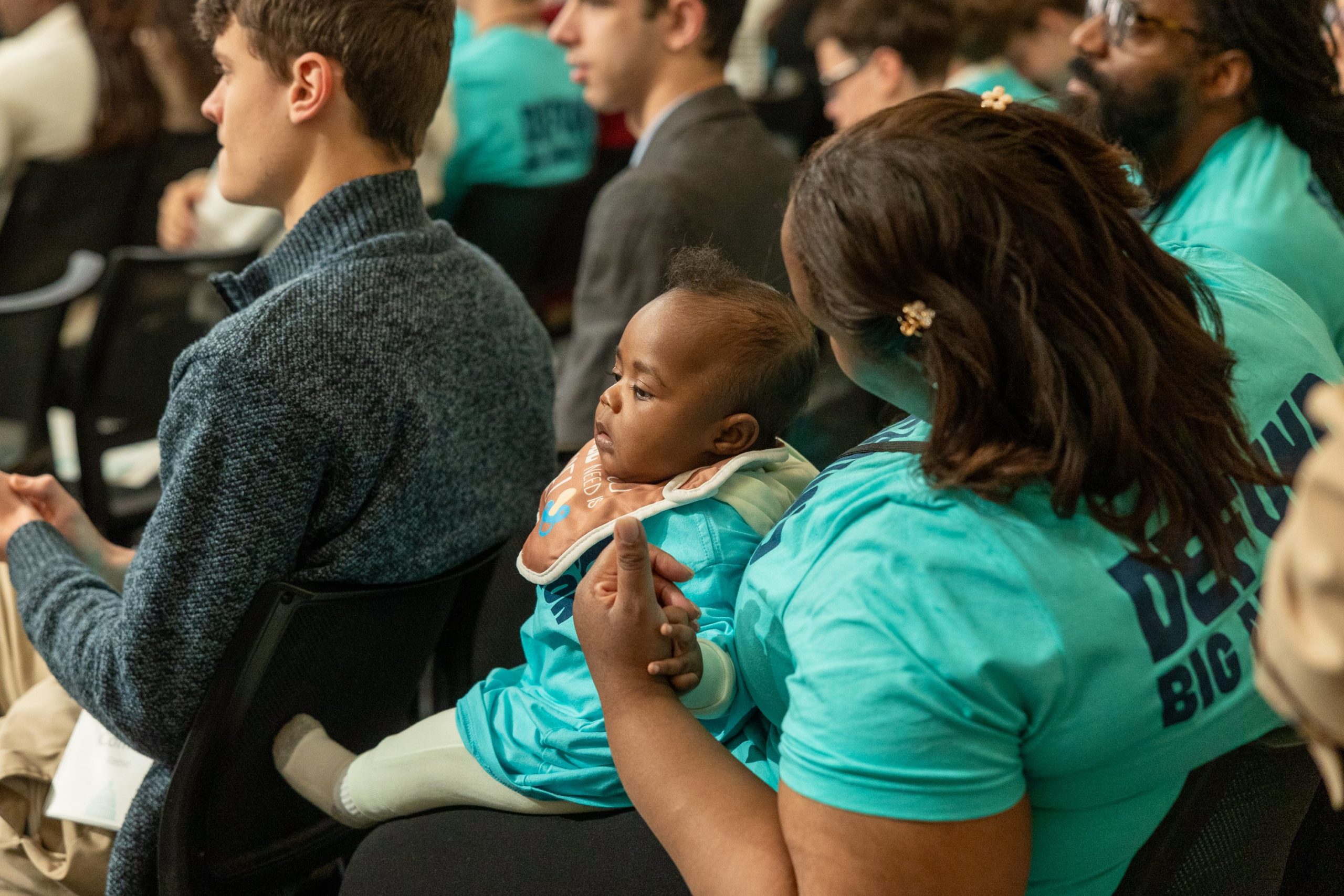
She brought a new life to this world–something she’d always dreamed of accomplishing. Yet, there was no gush of love or joy for her baby. Instead, the tiny cries angered her, the long and exhausting nights fueled stress, and the increased dependency made her question the purpose of life. Typically, mothers nurture, empathize, and wear their hearts on their sleeves. In her case, if she were to face her heart and reveal the emotional turmoil she withholds, society would trample her with daggers. Unfortunately, this is the reality many mothers tackle, suffering in silence while the room echo’s wails.
Perinatal Depression
This condition is known as “perinatal depression,” which encompasses a variation of mood disorders during pregnancy or/and after childbirth, that can endanger the care of the child and mother. It’s often misinterpreted as “baby blues,” the initial sadness and mood swings that comes with pregnancy and postpartum health. In contrast, “baby blues” can be improved within 2-3 weeks naturally, but perinatal depression can feel like a lifetime and requires professional treatment. Perinatal depression is a result of various biological, psychological, and social factors. These factors can be summarized as hormonal changes, imbalances in neurotransmitters, frequent history with anxiety or depression, lack of support, unwanted pregnancy, or societal pressures of motherhood. Due to these factors, mothers may feel hopeless, emptiness, guilt, and even anger towards their child and themselves. Ultimately, this can lead to difficulties in mother-to-infant bonding, developmental delays, depressive outbreaks, and attempted suicidal ideas and acts. To overcome this common condition, it’s crucial for mothers to be treated through psychotherapy first. This way medications such as antidepressants or brexanolone won’t have to be the last solution as it can have its drawbacks and side effects.
Now that we’ve revealed bits and pieces of the reality for motherhood, you’d think that society would fill the puzzle. However, in many countries where motherhood is glamorized, perinatal mental health and depression is often ignored and untreated. The mere thought that the baby wasn’t a happy contribution would signal that the mother is distasteful, or even sinful. This misconception is seen in countries where religion takes a huge investment in shaping values and beliefs of motherhood. Technically, women prove their unwavering faith by embracing their role as a parent, regardless of suffering. In deeply religious countries, like the Philippines, the line between prosperity and sacrifice of motherhood blurs. While faith-integrated beliefs, specifically Catholicism, can bring spiritual guidance to new mothers, when present in reproductive health legislation, it can make mothers suffer from perinatal depression.
The Role of Catholicism on Mothers in the Philippines
Before the influence of Catholicism on perinatal depression is expressed, we need to discuss the cultural framework it has within the Philippines. With approximately 80% of Filipinos being Catholic, it is clearly the central faith. During the 16th century, Spanish colonizers came to the country with the goal of spreading Catholicism. Of course, it was successful, becoming the state religion. These flying Catholic principles were embedded then and still thrive today. Such teachings were encapsulated in Philippine policies on reproduction as the Church is against all human interference to the birth of a child. This cultural stigma that God opposes birth control and abortions can take psychological effects on a pregnant woman, especially if it’s unwanted. In fact, the Philippines only considers abortion when the mother is at risk of death. Seeing as though death is not the fate of all pregnant women, new mothers (wanted or not) will be “forced” to conceive if they don’t want to be punished by law, aiding to the societal pressures that can cause perinatal depression.
One out of ten women end up experiencing perinatal depression. For pregnant Filipina women, the rates are higher with about 15.6% of women experiencing depression. Postpartum stages are even greater with 19.8% of women experiencing depression after childbirth. These statistics reveal a lot about how Filipina mothers feel with the societal silencing of depression during pregnancy. Possibly, if they were given outlets of sexual education, detection opportunities, or accessible treatment that was limited by their religious government for perinatal mental health, mothers would lack guilt and shame for carrying their emotions. As stated prior, it’s crucial for mothers to seek psychotherapy before they have to rely on medications for perinatal depression. However, the Philippines–being deeply rooted in Catholic culture–don’t see the severity of perinatal health because a baby is supposed to be a gift in all aspects, never a burden. This is part of why abortion is illegal in most cases, unless the mother could suffer health complications, but even then, the women would be perceived as criminals and professionals could decide to not give them anesthesia. These notions of how the country reacts to characteristics of a woman who does not resemble Virgin Mary contributes to why many mothers don’t feel comfortable speaking their truth about motherhood, resulting in a cycle of depression.
Mothers suffering with perinatal depression are likely to experience the following things:
- Feelings of worthlessness
- Fear of disappointing family and their baby
- Fear of being in the presence of the baby
- Feeling like they are cruel for thinking the way they do about motherhood
- Delayed fetal development
- Preeclampisa
- Anxiety attacks
- Sense of failing parenthood
- Thoughts of self-harm or suicide
Without proper treatment, mothers can mentally harm themselves through religious silencing. The expectation of entering and exiting motherhood with no stress can initiate thoughts of guilt and personal failure due to their connection with their faith. It’s necessary that the Philippines take reproductive physical and mental health seriously so mothers can avoid or seek guidance for perinatal depression openly.
Let’s Start Fresh!
Instead of dehumanizing women for not being Virgin Mary, let’s create a space in society where women can be faithful to their religion while simultaneously taking care of their mental health. As society progresses, we’ve seen movements to help improve the acceptance of mental and reproductive health. The Mental Health Act of 2018 was the first nationwide legislation to provide a framework for the optimal mental healthcare in the Philippines. This act was revolutionary to reproductive mental health to help mothers cope and heal with cases of perinatal depression, premenstrual dysphoric disorder, infertility, and miscarriage. Unfortunately, the social stigma towards mothers who don’t have positive perspectives of parenthood and the baby have not changed due to Catholic culture. Moving forward, there should be open discussions about the realities and difficulties of motherhood that doesn’t end with “you are expected to self-sacifice.” More nuanced conversations and safe spaces are inclined to make Filipina women empowered, breaking the cycle of silence on perinatal depression.
















Leave a Reply