

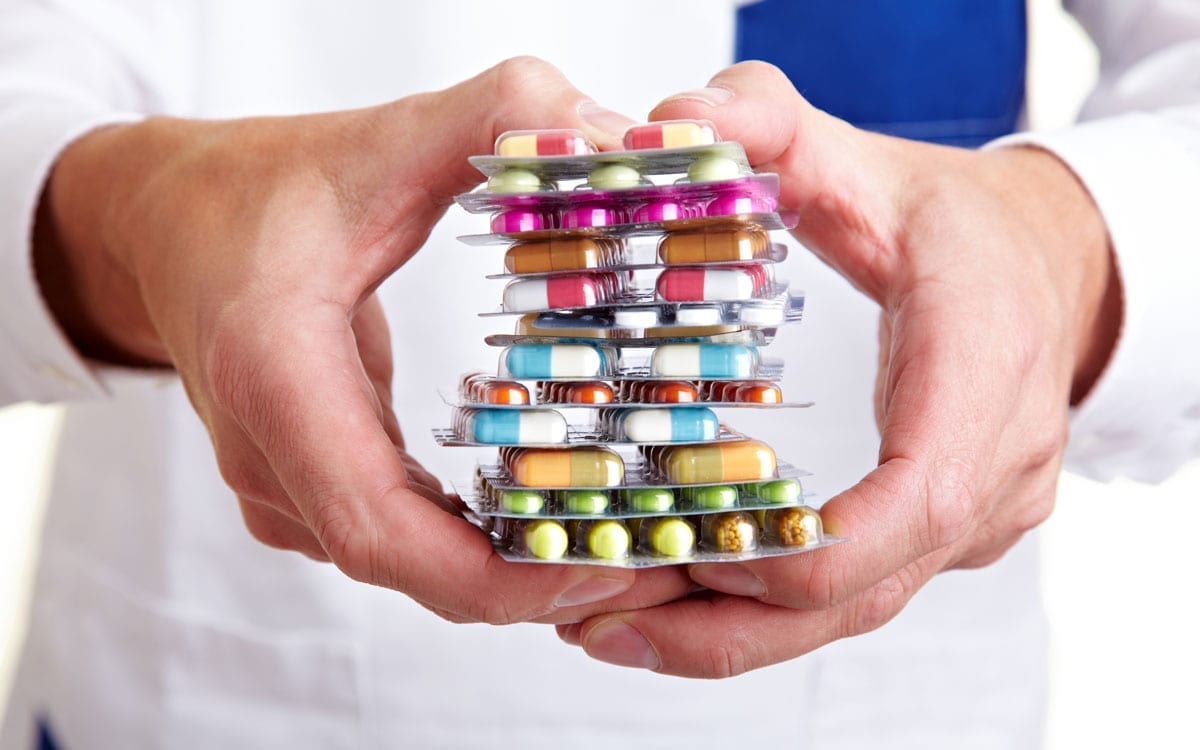
Buying the false perception of a malfunctioning options-based medical treatment process, patients are waiting their turn in clinics situated in sub-Saharan Africa and southeast Asia hoping what they are about to receive may help them, or even save their lives. Illegally sourced or counterfeit drugs, many of which are far more dangerous than the originally prescribed medication, infiltrate vulnerable health services and the opportunistic pharmacy and street vendor distributors are creating death until it becomes and no one is aware – except for one an entire population. Not an issue of law, it is and continues to be a global health care crisis with onlookers with no duty of care.
The World Health Organization (WHO) reports that 10% of medicines marketed in low and middle-income countries are substandard or falsified. This is not just expired capsules and under-strength antibiotics —these are counterfeit medications presented as lifesaving medicines such as antimalarials, antibiotics, insulin, and chemotherapies. The cost is life. The WHO estimates that just over 250,000 children are killed each year through the use of counterfeit antimalarials.
One of the most surprising examples comes from The Gambia in 2022, where dozens of children died after consuming contaminated Indian-made cough syrup. The medicines were found to have toxic amounts of diethylene glycol, and that they had not gone through the robust testing and quality verification seen in more developed countries. The children died not from a virus or a harmful bacteria but from a neglect of regulatory agencies, interruptions in global supply chains, and pharmaceutical profits without scruples.
Behind this crisis you have a tangle of corruption and faltering health infrastructure. In many rural settings, the proper medicine is often too expensive or unavailable. Informal markets essentially fill the void and false dealers or counterfeiters exploit this informal market compromising the integrity of the medicines that they can peddle, as they counterfeit medicines that appear to be real. Counterfeit medicines provide no healing but instead aggravate antimicrobial resistance; since patients now receive these ineffective medicines without treatment, which causes pathogens to transform and survive.
Efforts are underway — tools like MedSnap and GS1 barcoding systems are being deployed to authenticate medications through smartphone apps and digital tracking. However, they are still far from the priority areas to provide authenticity. International cooperation for a crackdown on drug fraud is being demanded with the UN Office on Drugs and Crime stating member states should acknowledge it as a transnational criminal matter.
The issue goes right to the heart of global health equity. Children receiving drugs that may be of life or death importance may be given the same drugs in one rich country and a poor country. It is a difficult challenge and there is no solution only through technology. It is a matter of political will, better health systems, and a moral commitment that unsafe medicine is a wrong and unsafe medicine.
Until the time that happens, the silent killer of counterfeit medicines will continue to go unnoticed, unregulated, and striking unconsciously.





Leave a Reply