

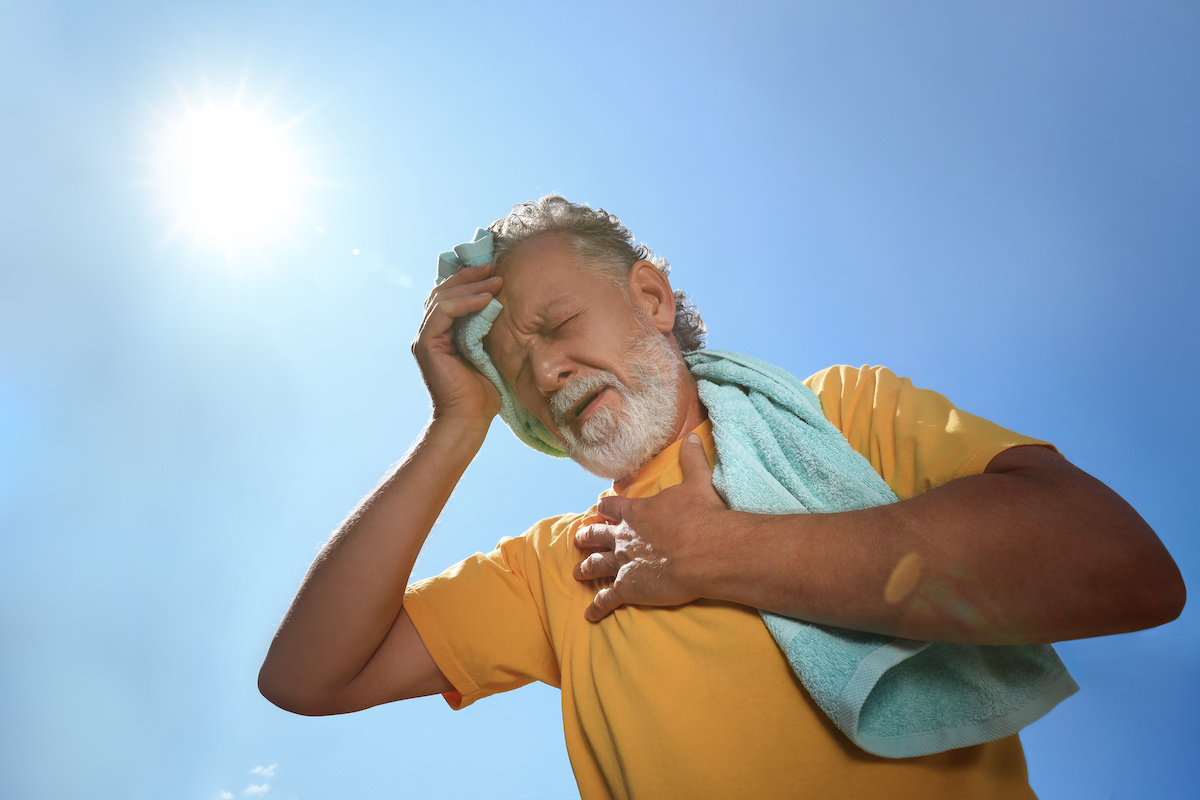
Heat stroke is a serious, potentially life-threatening condition that occurs when the body overheats, usually as a result of prolonged exposure to high temperatures or strenuous physical activity in hot weather. Unlike heat exhaustion, heat stroke requires immediate medical attention.
What Causes Heat Stroke?
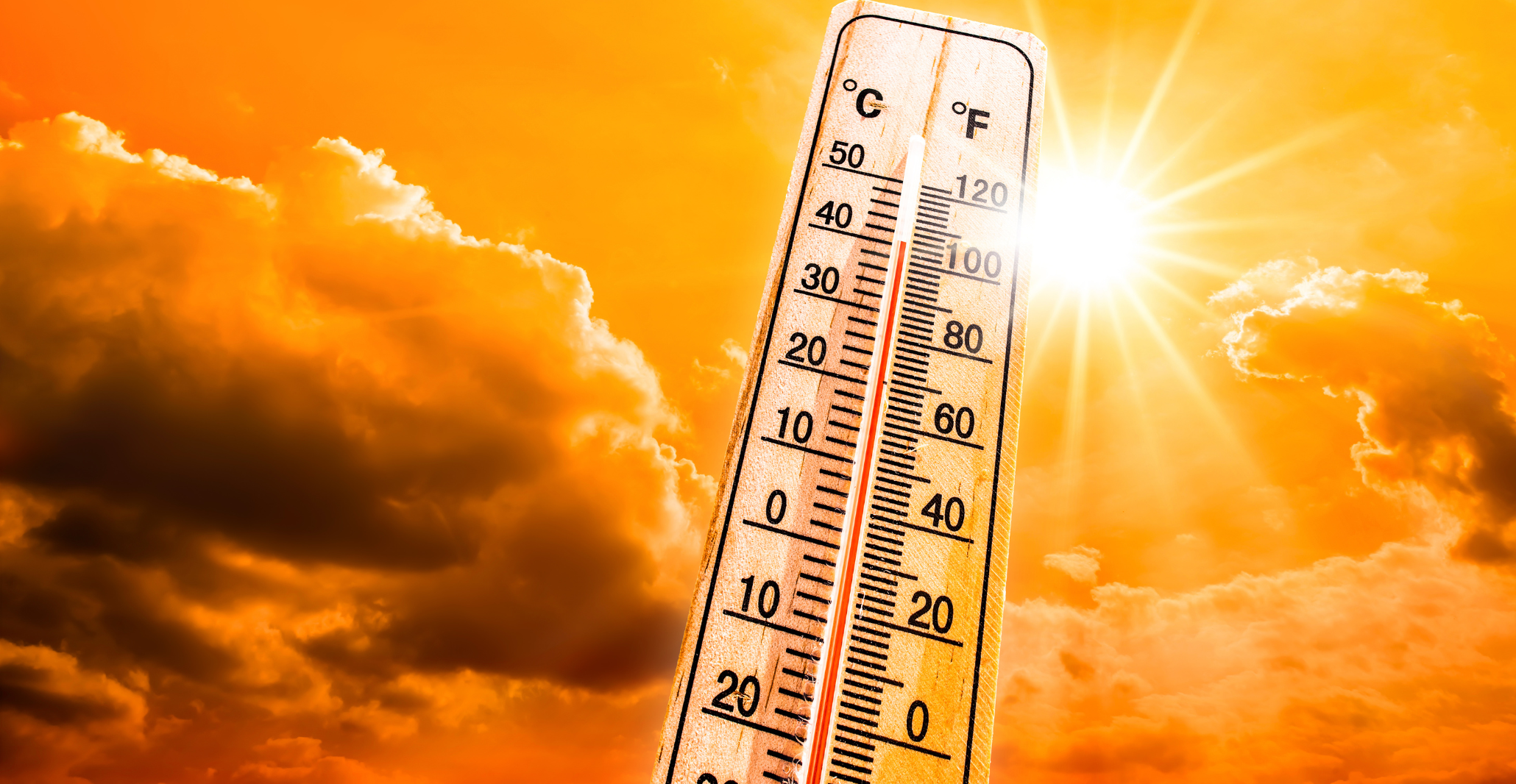
Heat stroke happens when the body’s internal temperature rises to 104°F (40°C) or higher. This can overwhelm the body’s ability to cool itself, especially when dehydration prevents sweating. Common causes include:
- Prolonged exposure to hot, humid weather
- Intense physical activity in the heat
- Wearing excessive clothing or drinking insufficient fluids
Symptoms to Watch For
Recognizing the signs of heat stroke early can save lives. Key symptoms include:
- High body temperature (104°F or above)
- Hot, dry skin or profuse sweating
- Confusion, agitation, or slurred speech
- Rapid pulse and breathing
- Headache, dizziness, or nausea
- Loss of consciousness
Prevention Tips
Preventing heat stroke is largely about preparation and awareness:
- Stay hydrated and avoid alcohol or caffeine in extreme heat
- Wear lightweight, breathable clothing
- Take breaks in shaded or air-conditioned areas
- Avoid strenuous activity during peak heat hours (usually 11 a.m. to 3 p.m.)
What to Do in an Emergency
If someone shows signs of heat stroke, call emergency services immediately. While waiting for help, move the person to a cooler place, remove excess clothing, and try to cool them down with cold water, fans, or ice packs.
Heat stroke is preventable but can become deadly if ignored. Awareness and quick action can make all the difference.









Leave a Reply