

In the modern world, economic sanctions have a detrimental effect on healthcare access and are generally undermining healthcare systems. In international relations and foreign policy, sanctions are commonly employed as a tool to coerce, punish, or alter the decisions of other countries. When nations or states impose these sanctions, they typically claim moral high ground, while also justifying their actions by citing the need to punish other governments for their corruption, abuses of human rights, or other vital issues that endanger civilization. These unilateral measures typically have a destructive impact, far larger than the economic cost. These sanctions don’t just harm governments, they harm people and global health.
The Office of the United Nations High Commissioner for Human Rights (OHCHR) has defined Unilateral Sanctions as “coercive measures imposed by one state (or a group of states) on another state, without authorization from the United Nations Security Council, to compel a change in the targeted state’s policies”. A number of nations today are affected by sanctions, and their people often face the worst of the consequences. Unilateral Sanctions, which are imposed without international consensus, can severely restrict access to essential medical supplies, vaccines, and healthcare funding in targeted countries.
In a 2020 study published in The Lancet Global Health that examined how U.S. sanctions affected Iran, found that despite humanitarian exemptions (notably for food and medicine), access to drugs and treatments for cancer, epilepsy, and rare diseases was reduced. This ultimately resulted in measurable increases in mortality. According to a 2019 report by the Center for Economic and Policy Research (CEPR), sanctions placed on another country, Venezuela, have contributed to over 40,000 excess deaths between 2017 and 2018, when the sanctions were intensified.
Sanctions, and their disruption in nations, can affect a nation’s ability to respond to and prevent crises. This would result in a lack of access to medical care for patients who need it. While many nations include humanitarian exemptions on paper when placing sanctions, these measures are often undermined by overcompliance and fear. For example, Banks, fearing fines or additional sanctions, often refuse to process transactions related to food and medicine. This results in these banks cutting off NGOs, UN agencies, and local hospitals from the international financial system. In these sanctioned countries, this financial isolation makes it nearly impossible to provide medical treatment, surgical equipment, import medicines, such as insulin, and it even hinders the ability to pay health workers. There is a critical flaw in the global sanctions system, with these economic policies affecting public health.
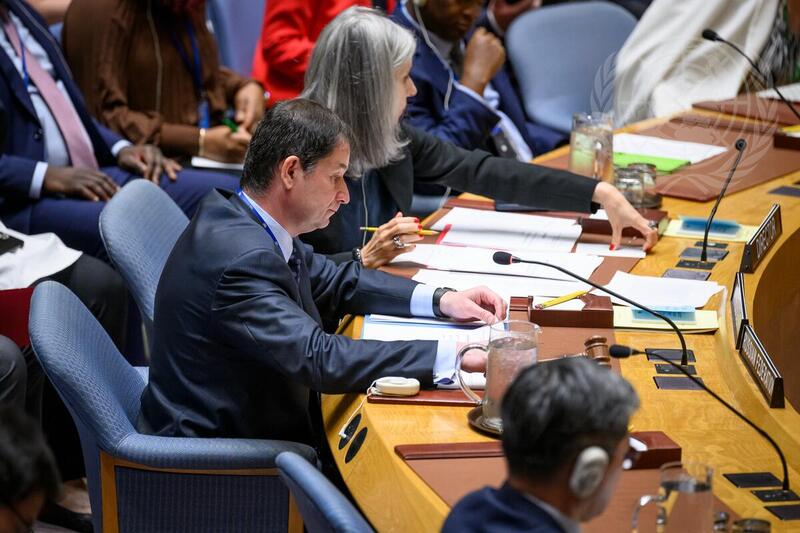
Image Credit: UN Media









Leave a Reply