


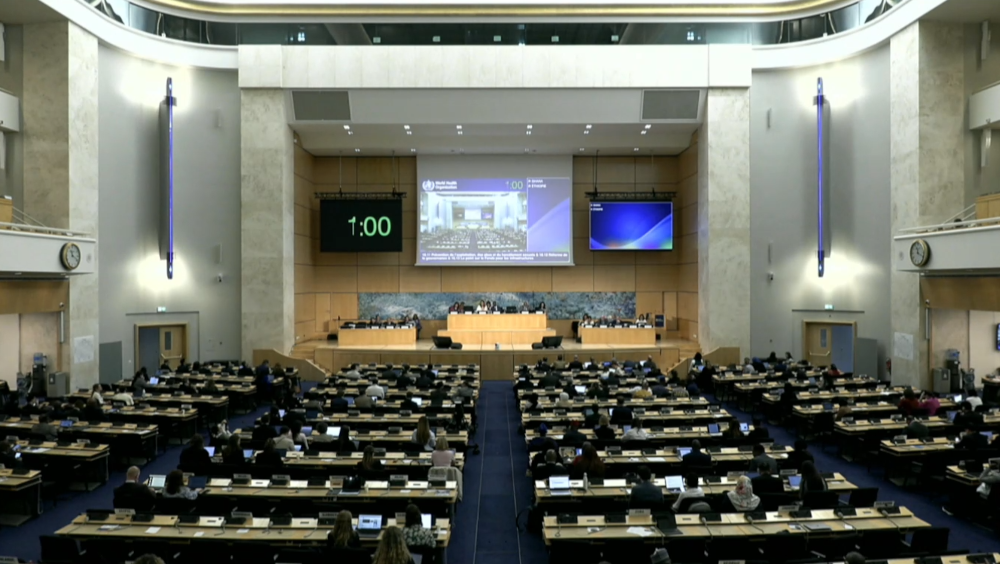
In 2024, the World Health Organization created a new set of amendments that intends to improve preparedness in the event of future global pandemics occurring which was ultimately adopted in May of 2025 in Geneva. These amendments intend to increase preparedness for future pandemics, specifically by focusing on vaccine access for poorer nations. For example, they mandate that companies give 20 percent of their vaccines to the WHO. They also include a new category of “pandemic emergency” for the most important and urgent health issues.
However, after President Trump’s gradual decision to remove the US from the WHO over the past year or so, the US would not be bound to the pact, although they did contribute billions of dollars toward vaccine development during the COVID era. Secretary of State Marco Rubio and Secretary of Health and Human Services Robert F. Kennedy Jr. made a statement officially declaring that the government won’t be supporting the new amendments, arguing that certain “Terminology in the 2024 amendments is vague and broad” which may lead to responses by the WHO that prioritize politics over more effective outcomes. Kennedy also extensively argued against the WHO on a pandemic agreement stating that they didn’t learn their lesson from the COVID pandemic. Kennedy, however, has a decades-long history of creating doubt about vaccines, including changing his mind on endorsing flu vaccines.
The joint decision to reject the new amendments would result in reduced financial support, as the US was the WHO’s largest donor. This limits the ability of the WHO to scale emergency responses especially in low-income areas. In addition, with this sharp decision the US also loses a leadership role in governing how countries collectively respond to health emergencies. Because of this other groups such as the European Union or the BRICS nations (Brazil, Russia, India. China, and South Africa) would fill in the void and push policies that don’t align with US interests. It would also give the impression that the US isn’t committed to multilateralism, which would not only affect global health cooperation but also a broader range of international relationships. Lastly, the US backing out of the WHO could also weaken trust in the global health systems run by the WHO, which could have large ripple effects. It would indirectly have a significant impact on the WHO in terms of funding and resources, but also on the international and political stage. The systems built and made by the WHO may be significantly weakened, which shines more light on regional blocs including the aforementioned BRICS and EU.
The rejection of these new amendments–and the overall move by the United States government away from the World Health Organization–not only harms the organization in terms of the resources it needs to respond to future health emergencies but also affects how they’re viewed, especially because there isn’t much it can do to override the sovereignty of the American government.
Image Credit: NPR








Leave a Reply