


In 2025, global health policy is being reshaped by a convergence of complex, long-term, and emerging challenges. Although the world has moved beyond the pandemic’s acute phase of COVID-19, its aftershocks continue to expose weaknesses in global health infrastructure. Policymakers must now contend with a broad array of threats: antimicrobial resistance, waves of noncommunicable diseases, digital health disparities, climate-related health risks, and the politicization of global health governance.
Antimicrobial Resistance (AMR) is now one of the most serious worldwide threats. Overuse of antibiotics in human healthcare and agriculture has accelerated the emergence of drug-resistant infections. Low- and middle-income countries (LMICs) lack the infrastructure to track resistant infections or regulate antibiotic use. Global policy responses remain fragmented. Although the WHO has urged member states to develop national AMR action plans, enforcement is lax and funding is low. In the absence of stronger international cooperation, AMR could render much of modern medicine—surgery, chemotherapy, childbirth—unsafe or even lethal.
Noncommunicable diseases (NCDs), including diabetes, cardiovascular disease, and mental illness, are now the world’s leading killers, and this applies even in developing nations. National health systems, established previously to fight infectious disease, are struggling to adapt to the long-term chronic care. The majority of LMICs face a double burden: rising NCD rates alongside unfinished infectious disease agendas. Tobacco control, marketing of ultra-processed foods, and sedentary lifestyles are now the subject of global policy attention, yet international action is underfunded and politically fraught given the involvement of multinational industries.
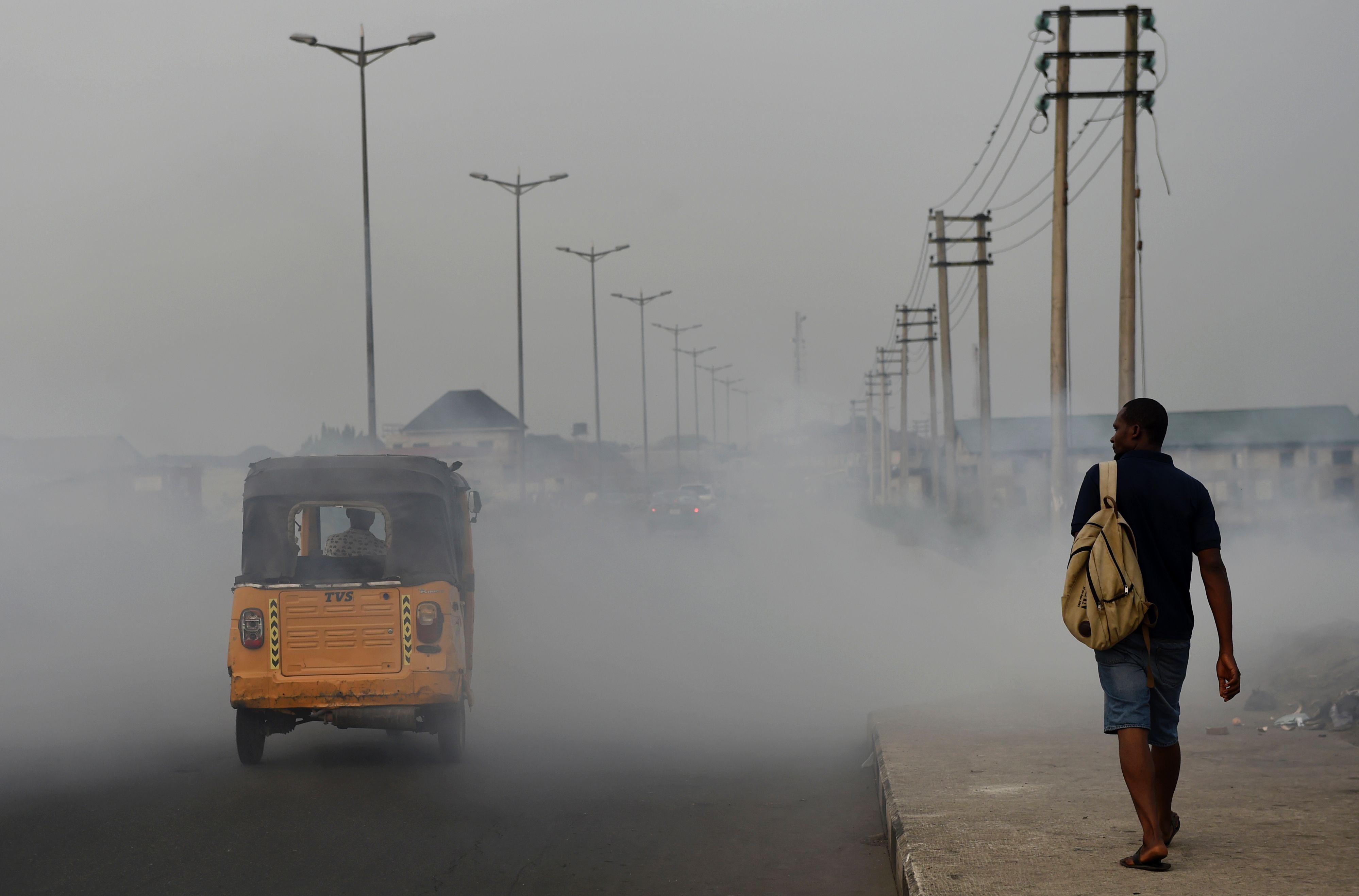
Climate change is not just a future threat to health—it is already exacerbating disease patterns, displacing populations, and straining vulnerable health systems. Heat stress, vector-borne diseases like dengue and malaria, and food insecurity are all on the rise. Environmental health crises are increasingly frequent, especially in small island developing states (SIDS) and drought-prone areas. Despite growing convergence on the climate-health nexus, global funding mechanisms have continued to treat them as separate sectors. A unified international policy approach—tying climate resilience to health equity—has yet to materialize.
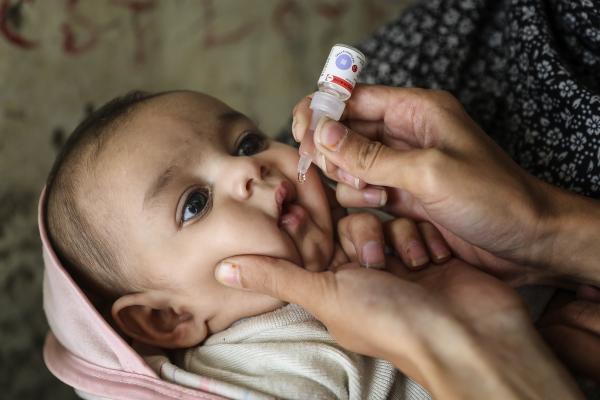
Digital health provides solutions but also expands inequality. AI-driven diagnostics, wearables, and telemedicine are transforming healthcare access in wealthier nations. Yet digital divides are vast: many nations have no internet stability, digital literacy, or legislation to govern data privacy. The propagation of health misinformation online—especially on social media—has contributed to the obstacle of worldwide immunization and disease containment endeavors. Without coherent worldwide standards on health technology ethics, data ownership, and misinformation, worldwide health policy risks falling behind innovation.
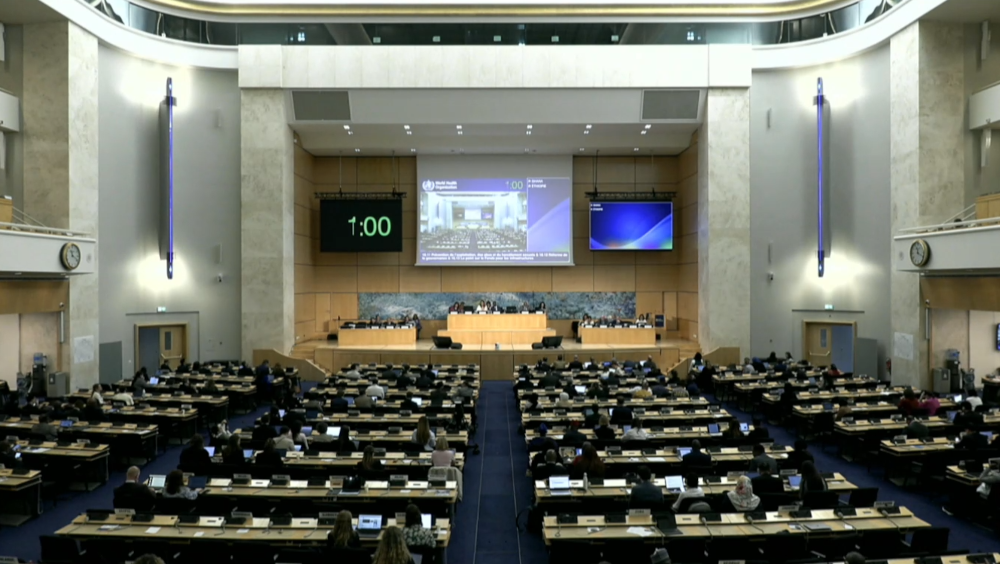
Finally, global health governance itself is under tension. Multilateral organizations like the WHO are bound by finance and geopolitical stress. Nationalism and vaccine hoarding during COVID-19 destroyed trust in international institutions. Rebuilding agreement on collective health responsibilities—especially in the face of future pandemics—remains an uphill battle.
As we enter the second half of 2025, international policy must look beyond responding to crises. The world’s most urgent health issues are now not just viral—they are structural, systemic, and deeply interconnected. They require global solidarity, binding policy levers, and sustained investment in equity, resilience, and innovation.
Image Credit: Dreamstime











Leave a Reply