


Access to life-saving medicine is often framed as a scientific issue, one that’s dependent on discovering new drugs, innovating treatments, and expanding clinical capabilities. However, for most of the world, the main issue isn’t whether a cure exists. Rather, it’s whether they can access it. This becomes especially clear in the global debate over TRIPS, the Trade-Related Aspects of Intellectual Property Rights agreement.
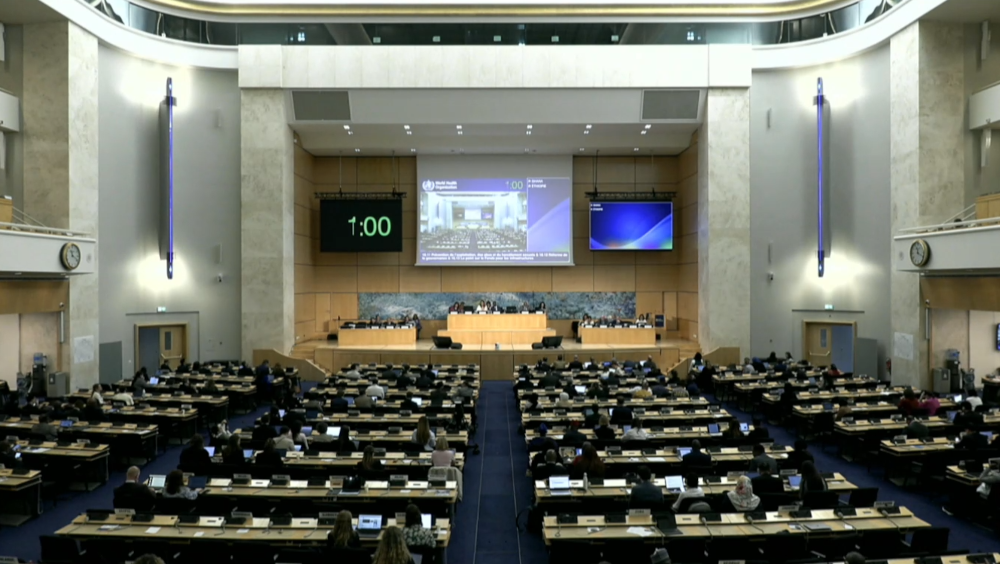
TRIPS, a set of comprehensive intellectual property rules, was first introduced by the World Trade Organization in 1995 in order to encourage innovation. Under this agreement, new drugs are generally granted twenty years of patent protection, giving companies exclusive rights to manufacture and sell such drugs. The main purpose of this is to ensure financial return for high investments into research and development. However, this inadvertently leads to powerful monopolies over essential medicines, setting prices above what’s feasible for millions, if not billions, in low and middle-income countries.
This is due to how the TRIPS agreement causes the absence of generics, which leads to extremely high prices. Some examples are HIV, tuberculosis, hepatitis, and various cancers, which, during their patent period, had treatments that cost hundreds of thousands of dollars per year. Even when cheaper manufacturing alternatives existed, the patent protection led to their prices remaining exceedingly high, effectively shutting down treatment in many nations and populations. This lack of access to treatments, sometimes lasting decades, led to many otherwise preventable deaths.
Although TRIPS tries to include provisions to safeguard against such inflation, they are often considered ineffective. For instance, compulsory licensing, which is meant to allow governments to authorise the production of generics without the patent holders’ consent, fails due to the presence of diplomatic pressure, trade threats, or legal challenges. This failure is one of the many protective mechanisms that largely remain ineffective in regulating prices.
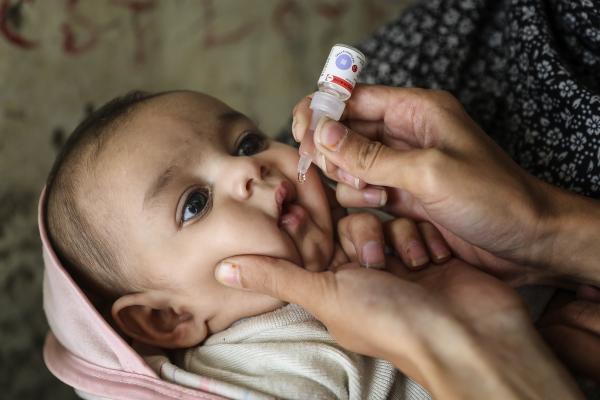
This issue became especially clear during the COVID-19 pandemic: during the pandemic, many developed and wealthy countries were able to gain access to the vaccine relatively quickly, while less developed countries were forced to wait for months or even years for the same level of access. Although a temporary waiver on TRIPS was proposed to counteract this, due to arguments against it, the outcome was one where global vaccine inequity continued to persist.
As chronic illnesses and new antibiotic-resistant diseases continue to emerge, the tension between innovation and accessibility will only heighten, meaning that a framework that is able to both protect pharmaceutical development and maintain basic accessibility is desperately needed. Some ways to move towards this are through tiered pricing systems and stronger global cooperation.
In the end, TRIPS shows how medical breakthroughs aren’t enough to ensure treatment. Without equitable policy, the world’s most vulnerable population will continue to die from treatable diseases, even when the cure has already been made.











Leave a Reply