

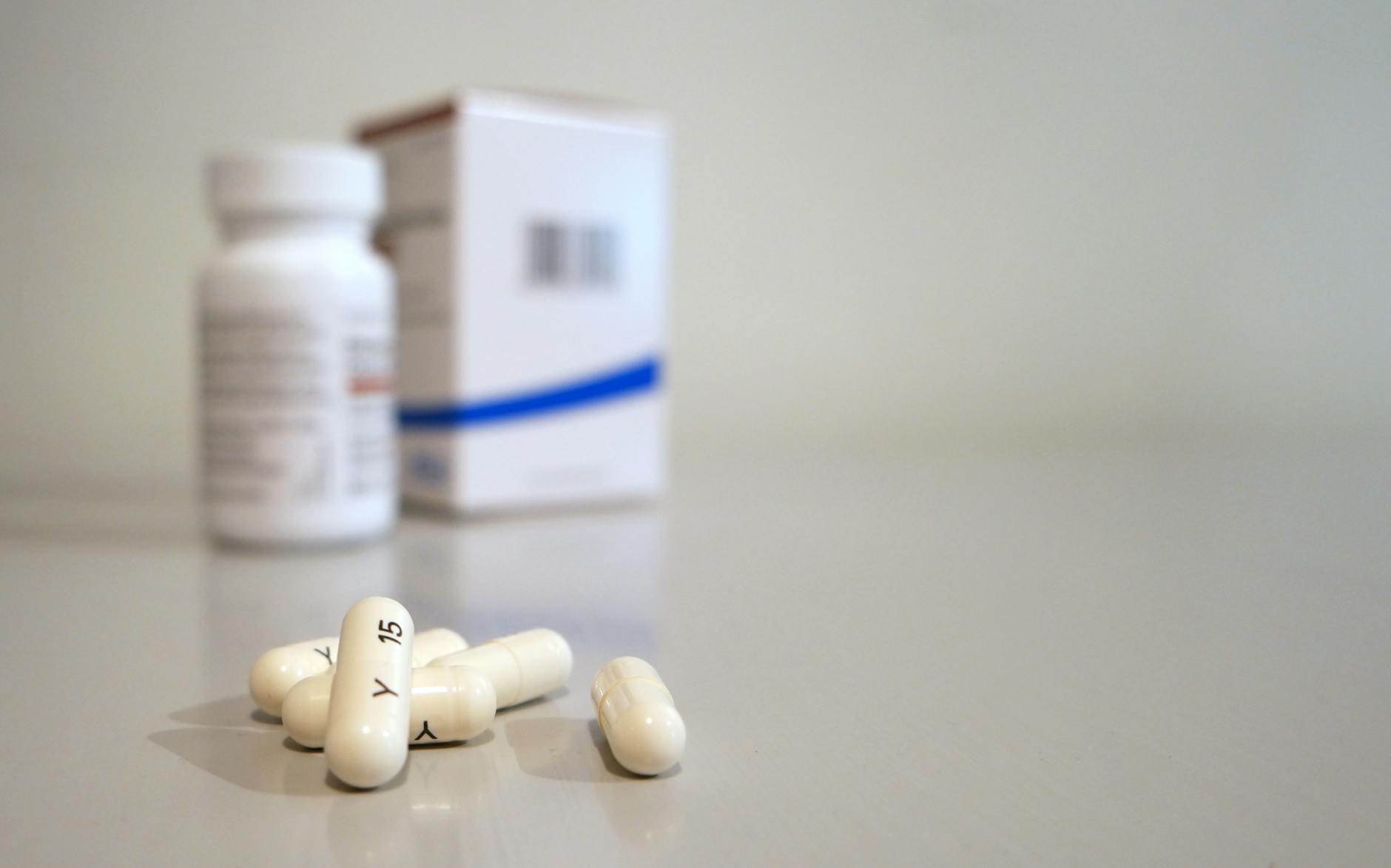
Lenacapavir is a drug manufactured by Gilead Sciences that was referred to as a “breakthrough” by health organizations. On November 12, five months after it was approved in the United States and became available in several first-world countries, the US State Department announced that the countries of Eswatini and Zambia had each received 500 doses of the drug. These delivered doses mark the first step of many toward the goal of the Global Fund, a major donor to fight HIV and tuberculosis, to provide at least two million doses to the countries most affected by HIV by 2028. The State Department, Gilead Sciences, and the Global Fund announced investment in lenacapavir in September, stating that they believe they’ll reach their goal by mid-2027. Ever since the FDA approved lenacapavir in June, Gilead Sciences has applied for approvals across sub-Saharan Africa, with Eswatini, Zambia, and South Africa approving. The company has stated that they’re focusing on the African countries with the highest burden, such as Kenya, Rwanda, Namibia, Tanzania, Uganda, and Zimbabwe, representing around 65 to 70 percent of the HIV epidemic. Gilead is providing the 500 doses with no profit going to themselves, and they plan to cover the total of two million doses before generic manufacturers step in. The company stated that they not only already have the supply to send to countries once the drug gets approved, but they also have replenishment doses for Zambia and Eswatini.
Delivery, however, is only the first step. And the process that comes with these ambitious targets has challenges as well. No matter how many doses are delivered, it means nothing if they are unable to reach the people who actually need them. That task will mostly be taken on by health ministries, but in many cases, governments have relied on community and non-governmental organizations to help them. Still, many of these health systems are based upon outside organizations that have been defunded by the Trump administration’s numerous cuts to foreign aid, including one that they established themselves, AVAC. AVAC was aimed at increasing the capacity of health systems to deliver HIV drugs, including lenacapavir. It was frozen in January and still has not reached its best levels of organization. The Trump administration’s foreign aid cuts have damaged some of the health and assistance programs that were in a good position to deliver lenacapavir to those who are most in need of protection.
Although lenacapavir looks promising to help treat HIV in high-burden areas, delivery and efficiency have their own issues, which need to be managed in relation to the new health systems in place in those areas.












Leave a Reply