

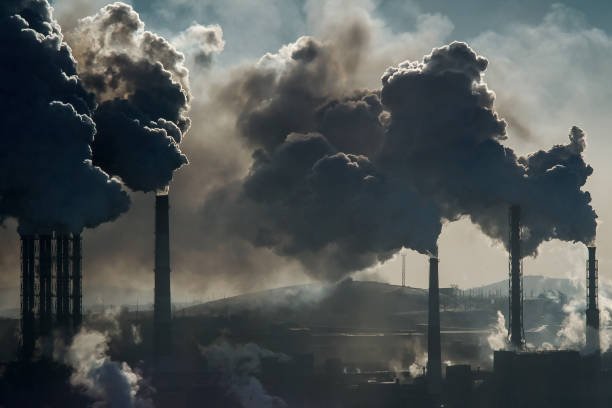
Clean air is not a luxury, it is a human need. Many people around the world, however, lack this right. In most of the cities, especially in Global South, where air-pollution is within crisis levels, there is significant risk to the health of the population and this reveals real disparities in environmental governance. The ability to breathe clean air is slowly being seen as not only a matter of environmental concern but also a human right. Global regulation needs to address the overlap between the problem of urban inequality, low levels of air quality, and a lack of international governance to help vulnerable people and create a sustainable solution.
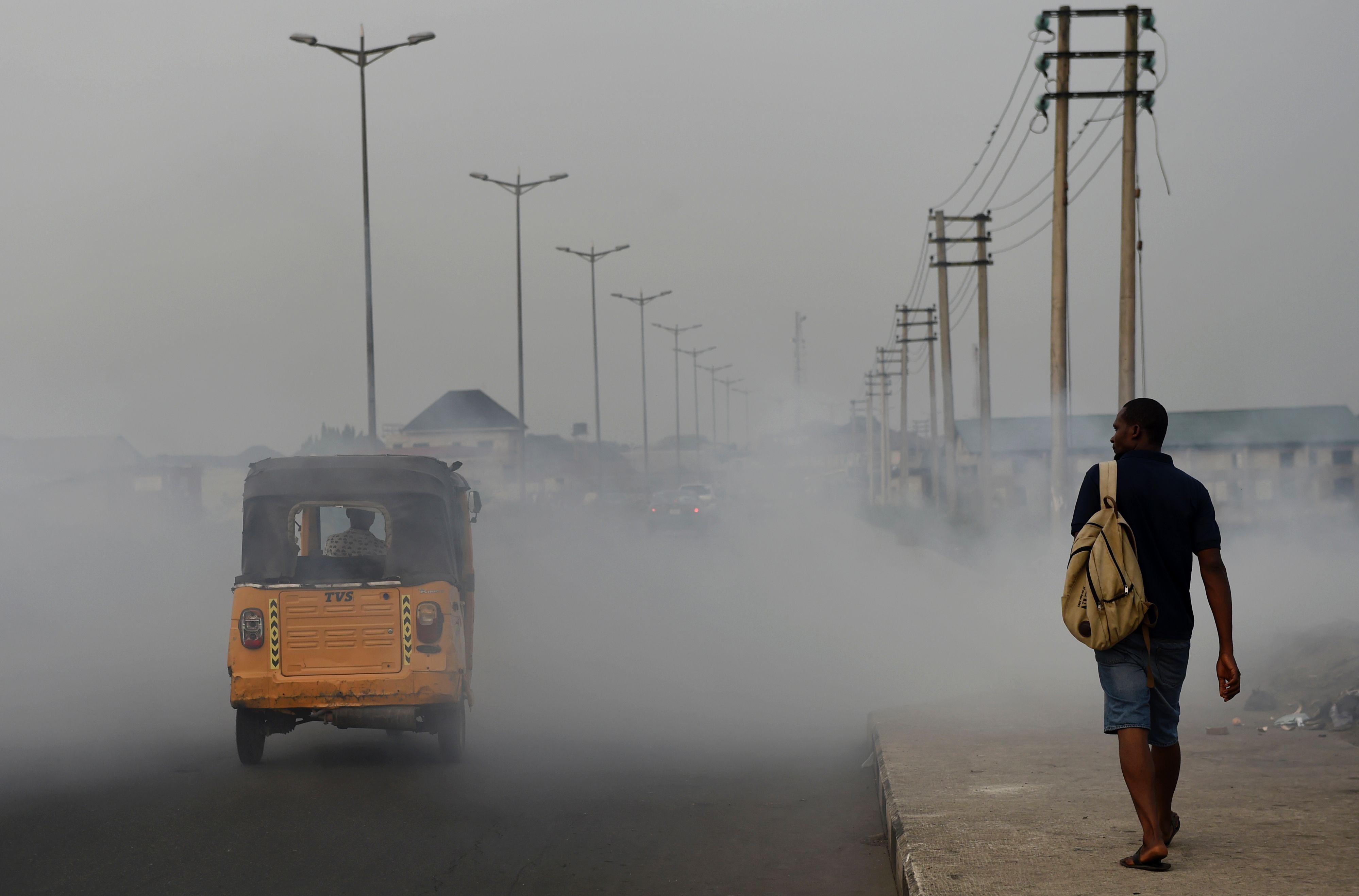
The World Health Organization shows that air pollution leads to more than seven million deaths prematurely each year. The great contributors are traffic emissions, industrial work, dust of time building, and fossil-fuel fires which are centralized in highly populated city areas. However, in urban areas not every exposure is equitably divided. Marginalized communities and lesser privileged communities tend to reside near highways, factories, and waste-burning facilities. These same groups are also most likely unable to afford decent healthcare thus they are more susceptible to the respiratory and cardiovascular diseases that are caused by poor air quality. In such a way, the problem of air pollution complicates the issue of social inequity, affecting the less privileged in a disproportionately large way.
National governments have the greatest responsibility of ensuring the regulation of the environment, but global regulations are poorly enforced. Global agreements, such as the Paris Agreement put much more emphasis on emissions and climate change than on the development of complete standards that safeguard air quality and human health. Lack of binding international commitments to air pollution enables governments particularly in the fast-urbanizing countries to postpone or water down the commitments in the name of economic developments.
It is of great importance that the problem of air quality be brought up to the plane of central concern in health policy. World bodies like the WHO, UNEP, and World Bank can be in a key position to strengthen consistent monitoring of air quality, enforcement of limits of pollutants, and put money into clean energy transitions in low and middle-income states. Additionally, it is crucial that the cities are empowered themselves by way of global networks, such as C40, or ICLEI, to adopt evidence-based policies on low-emission streets, green infrastructure, and public transit expansion.
The right to breathe is not meant to be based on location, financial status, or political determination. Addressing the issue of urban air pollution should be considered not only as a matter of the public health but also as a human responsibility. An equitable course of global control does not only require addressing the pollution of the air, but also requires addressing the inequalities of the system that enables groups of people to struggle and other groups to flourish.
Image Credit: iStock








Leave a Reply