

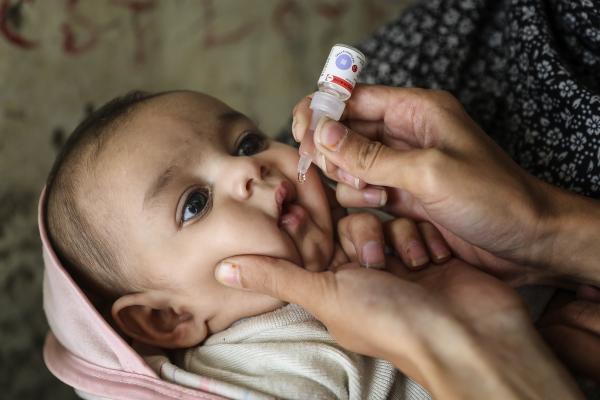
Some aid organizations are calling it the world’s largest humanitarian crisis, as many children in Sudan are increasingly and rapidly being exposed to deadly infectious diseases. This comes as a result of an alarming plunge in vaccination rates in the country. In 2022, about 90 percent of young children in Sudan received their normal vaccinations, but at the moment, it’s about 48 percent. This puts Sudan with the lowest vaccination rate in the world, according to the World Health Organization.
In many countries, low vaccination rates are generally caused by misinformation and general hesitancy. However, in Sudan, this is almost entirely caused by the devastating ongoing civil war. The war hit Sudan’s health services extremely hard, not only displacing people but also heavily impacting health infrastructure in the country. Various kinds of health workers, including doctors, nurses, and midwives, haven’t been paid in months. Yet many such diseases that affect the Sudanese population, such as measles, can easily be prevented through vaccinations.
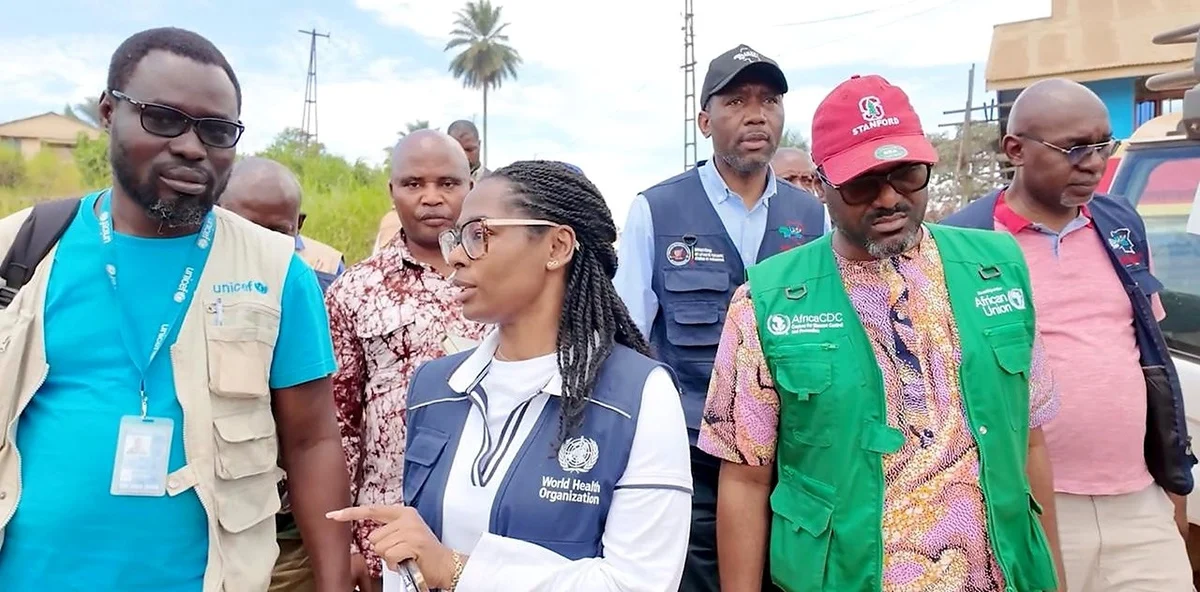
The WHO noted war and conflicts as one of the most significant threats to immunization progress, adding that there were signs of stalling progress in many areas of the world. Any amount and severity of drops in immunization coverage at the national level, e.g., Sudan, can open the door to disease outbreaks and pressure health systems, which has largely already occurred throughout the two-year war period. This already exhausting situation is further drained by the aid funding cuts to various organizations, including the WHO. UNICEF, however, has been very important in the fight for vaccination in Sudan. They’ve delivered 16 million doses of vaccines so far, but not without issues. Their method of shipping vaccines in containers cannot occur in areas of conflict. With charities unable to move into the country to provide resources, this leaves inconceivable damage to infrastructure, medicines, and the entire healthcare system. This means that when charity organizations and NGOs do move into new areas, they need to constantly rebuild to protect the vulnerable health system and make sure it doesn’t reach the point of collapse.
Sudan’s challenges have mounted to the point that most families are not even prioritizing vaccinations for their children. More pressing issues include food delivery, which has also been lacking throughout the country, as well as medicine for fever and malaria. If further aid isn’t given to Sudan, decades of progress to protect children from deadly diseases could be reversed.








Leave a Reply