


More than 8 million individuals die annually due to tobacco usage. Tobacco consumption is a choice, yet it’s still one of the world’s leading preventable causes of death. Due to this, the World Health Organization (WHO) came up with the Framework Convention on Tobacco Control (FCTC) in a bid to curb tobacco-related fatalities. The FCTC is an international agreement that was a milestone in global work in public health in that it was the very first to be solely dedicated to public health. It was adopted by the WHO in 2003 and started in 2005.
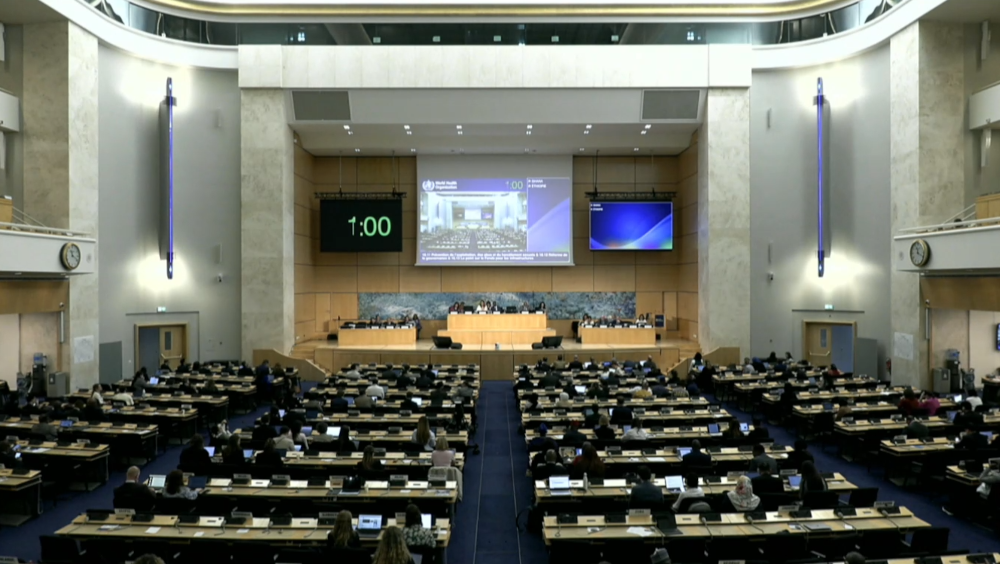
The FCTC works by delineating precise measures that need to be taken by countries in order to fight the global tobacco epidemic. Governments are urged to implement huge health warnings on cigarette packets, prohibit tobacco advertising and sponsorship, increase taxes on tobacco products, and safeguard individuals from secondhand smoke in public areas by making environments smoke-free. This treaty also requires purposeful collaboration to fight the illicit trade of tobacco and offer alternative lifestyles to tobacco farmers. This treaty also has measures for accountability of countries by asking them to report back to the COP. The COP, or Conference of the Parties, is the governing body of the treaty and is composed of all the countries that have ratified the FCTC. This governing body meets regularly to strengthen guidelines and promote cooperation among the member states, and is an effective means of ensuring that the member states are held accountable.
Most countries have instituted smoke-free legislation, banned misleading advertising, and added graphic warning labels highlighting the health hazards of smoking. Multiple countries, such as Australia and Canada, have taken it a step further by introducing plain packaging laws that eliminate brand names from cigarettes. Because of all these initiatives, smoking has started declining in the world, particularly among the youth. Apart from its immediate influence on tobacco control, this treaty has become a massive source of international health diplomacy. It proves that nations can unite to effectively tackle long-term health concerns.
Despite the advances in human health, there remain many problems to address, especially in relation to tobacco usage. The tobacco industry keeps selling and resisting regulation, and especially in low- and middle-income countries where regulation is perhaps less robust. Right now, regulation and enforcement are not perfect, and new products, such as heated tobacco and e-cigarettes, present new challenges in regulation and framework.
The WHO Framework Convention on Tobacco Control is a public health achievement in the face of these challenges. It has already saved millions of lives, and it has set a model for what is possible in fighting global health threats through international collaboration.











Leave a Reply