

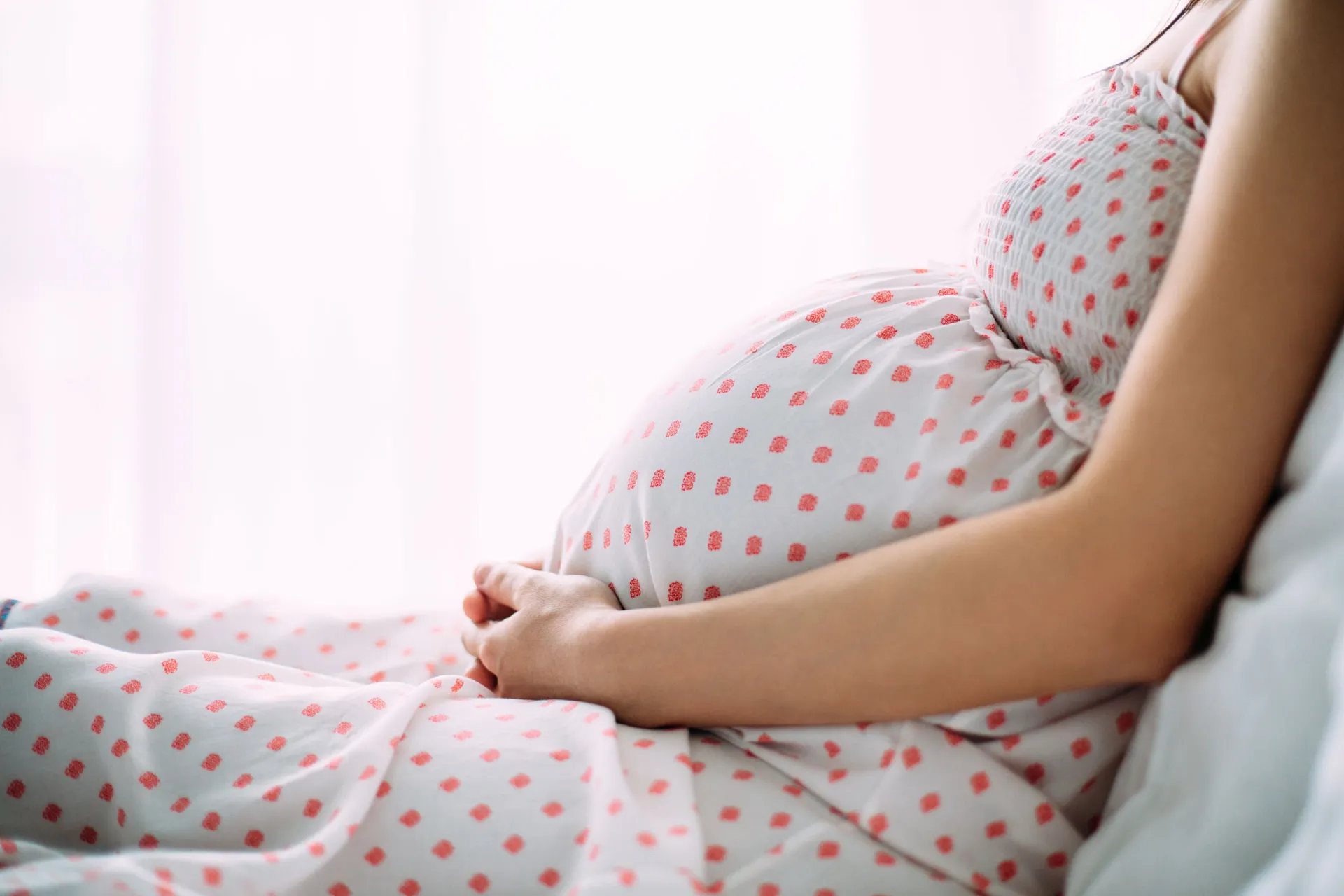
When people talk about pregnancy, they often talk about the happy parts. The baby showers, gender reveals, picking out names, or feeling the baby kick. Some people say that pregnancy is a beautiful journey, and for many, it can be. But there’s also a side people don’t speak on as much, the hard parts. This side doesn’t get posted often on social media or written in the baby books. This is not to deter anyone from their dreams of being a mother, but to inform those who were never told the full story.
Pregnancy is often portrayed through rose colored glasses, even though it usually brings overwhelming physical, emotional, and psychological challenges. From the moment two lines appear on a test, a woman’s body becomes a battlefield of hormones and discomfort. Morning sickness can be debilitating; some women vomit daily for months. Others experience pelvic pain so sharp it’s hard to walk, sleep, or even stand. And yet, they’re expected to carry on, to smile through the fatigue, because that’s what pregnancy is “supposed” to look like.
There’s also the unspoken fear, the constant worry about ultrasounds, the anxiety before each appointment, the feeling of your body no longer being fully your own. You’re supposed to be glowing and graceful. But how do you glow when your back aches, your bladder is being crushed, and your mental health is hanging by a thread?
For some, the pain doesn’t stop at birth; it begins there. The postpartum period is often skipped in conversations, as though the story ends once the baby is born. But what about the mothers? What about the ones who bleed for weeks, who cry from exhaustion, who feel a disconnect from the child they just brought into the world, and wonder why no one warned them this could happen? The ones who feel guilt for not loving every second of something they were told would be magical. Postpartum depression, anxiety, and even psychosis are not just rare exceptions. They are real, common, just often ignored.
Then there’s the cultural silence, the shame some women feel for needing help, the pressure to bounce back physically and emotionally, and the fear of judgment if you admit that pregnancy wasn’t what you expected. There’s a deep loneliness that can settle in, even when you’re surrounded by people.
The truth is, pregnancy can be beautiful. But it can also be terrifying and incredibly hard. And both of those realities can exist at the same time. Talking about the pain and the aftermath doesn’t make the journey any less valid. It gives room for real preparation and real support.
So when we speak about pregnancy, let’s not only speak about the highlights. Let’s also speak about the nights women can’t sleep, the pressure to be perfect, the pain they didn’t expect, and the strength they didn’t know they had to find.











Leave a Reply