

Nipah Virus Infection (NiV)
The Nipah virus infection is a bat-borne zoonotic disease that can be transmitted to humans through infected animals such as bats and pigs or food that’s contaminated with urine, saliva, or excreta of those infected animals. Human-to-human transmission, while uncommon, can also occur if an individual is in close contact with an infected person. Animals that are natural hosts for this virus are part of the Pteropus species, which includes fruit bats and flying foxes. Some symptoms of the virus are encephalitis and acute respiratory infection. The fatality rates in outbreaks of this virus range from 40% to 100% across many Asian nations. Currently, the Nipah virus doesn’t have licensed vaccines or treatments available.
NiV in Kerala
During May and July of this year, the Information and Public Relations Department of Kerala, India, confirmed four Nipah virus infection cases through an official press release. Within those cases, they reported two deaths. These cases occurred in the Malappuram and Palakkad districts of Kerala State. Three of the four patients were adult females, with the fourth one being an adult male. All of these cases weren’t linked to each other, and the sources of infection are currently under investigation. However, officials have considered the possibility of individuals being infected via fruit bats after noticing that they have a significant presence in the affected regions.
History of NiV in India
In India, Nipah virus infections have happened multiple times in many different states and have occurred regularly in Kerala state since 2018. Since 2024, Kerala has maintained a strong health care system and improved control measures for infections to contain the virus. They have advised the public to remain prepared and continue surveillance efforts. The World Health Organization (WHO) reported that the risk of international spread of the virus remains low.
Public Health Response in Kerala
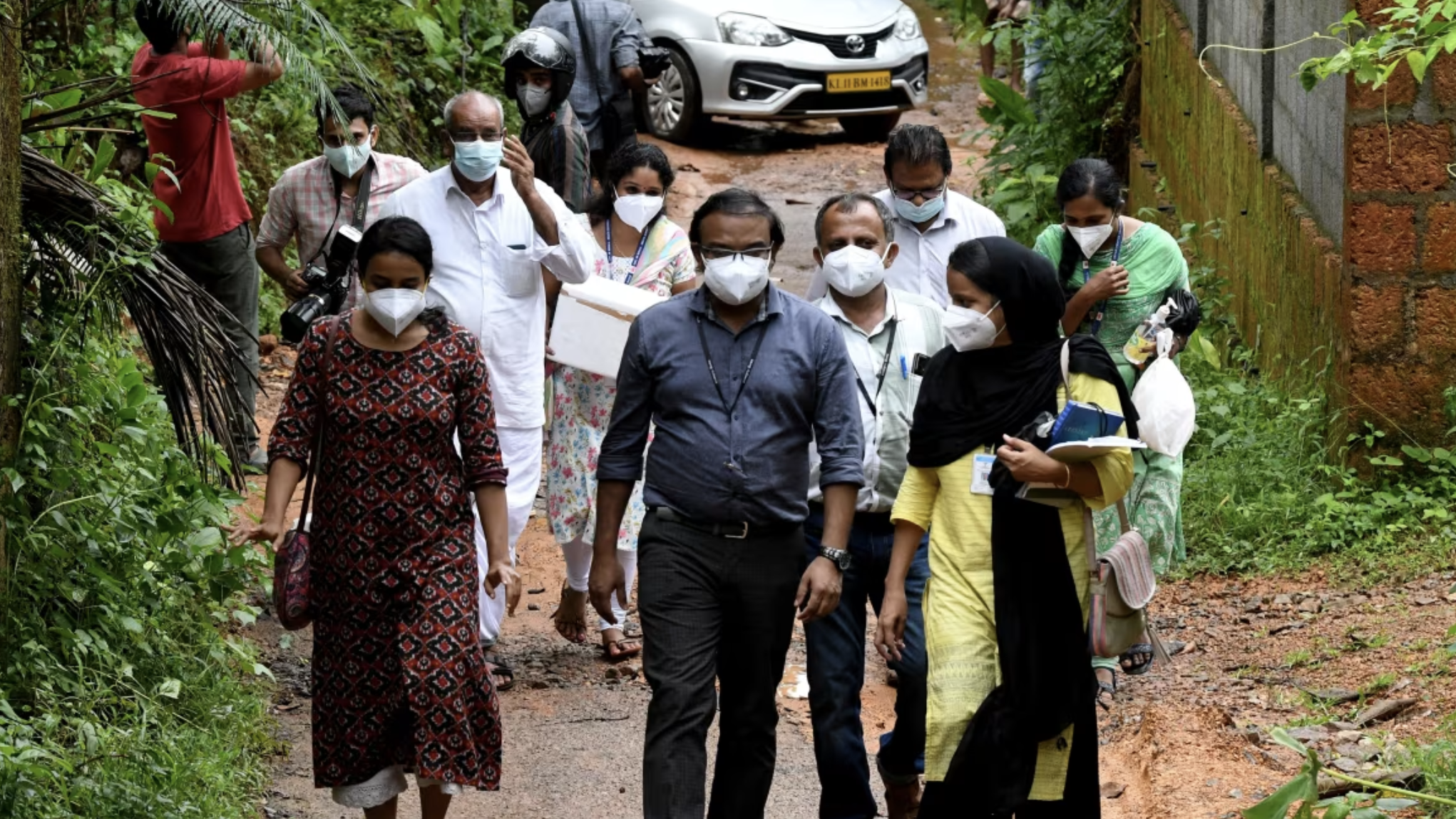
Local authorities in India, specifically Kerala, have responded to the outbreak by launching preventative measures. The Kerala state health minister held an emergency meeting to assess the spread and strengthen preventative measures. Over 200 individuals were traced and identified as close contacts to the four individuals diagnosed with the virus. Kerala health authorities have also released route maps of the four individuals to trace communities that potentially may have been exposed. In many districts, special teams were deployed to contact, trace, and monitor symptoms.
Preventative Measures
Without a vaccine or licensed treatment, the Nipah virus infection can be reduced by raising awareness among the public and informing them of risk factors. To reduce bat-to-human transmission, it’s important to avoid produce that has been in contact with bats. Among humans, it’s crucial to take precautions when visiting sick people.
Risk Assessment and Future Spread
According to the World Health Organization (WHO), while there is currently a localized risk associated with Nipah virus infection, the risk of international spread remains low. However, many studies showed that fruit bats tested positive for Nipah virus infection, suggesting the virus has the possibility of spreading to other states in India. During this time of outbreak, the public must remain aware of the implications the virus can have and take precautions against it.









Leave a Reply