


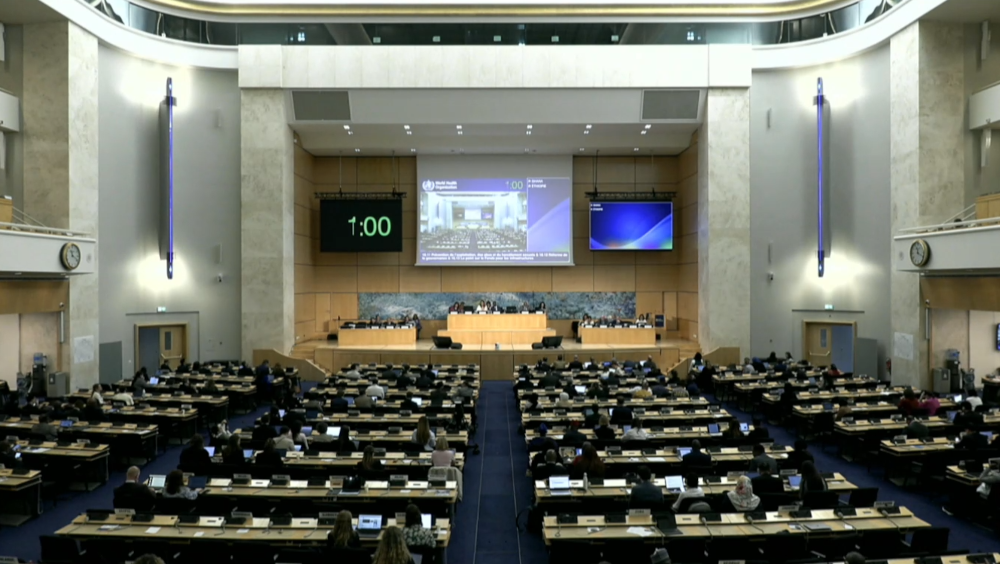
On August 13, 2025, President Donald Trump received a victory from a federal appeals court. They came to the verdict that the administration can still freeze or stop spending billions of dollars that were already set aside by Congress to serve overseas aid. Judges from the federal U.S. Court of Appeals for the District of Columbia Circuit ruled, by a vote of two to one, that the plaintiffs, a collection of international relief organizations, did not have the legal standing to file a complaint. In dissent, Judge Florence Y. Pan warned that this threatens the U.S. separation of powers, effectively allowing the executive government to withhold Congressional funds without proper oversight. Months ago, the President controversially implemented the foreign aid freeze on his first day of office in January. These funds specifically include almost $6 billion in aid for HIV and AIDS programs through 2028 and around $4 billion for global health initiatives through September.
President Trump also has previously said that foreign aid spending on programs to reduce overseas poverty and disease outbreaks is “wasteful” at the beginning of July when he disassembled the US Agency for International Development (USAID). USAID oversaw, managed, and allocated around $30 billion toward global health and development programs. In response to Trump’s actions, a group of international aid organizations sued the administration in February. In March, the case went to a lower court, which ruled with a preliminary injunction that the administration’s actions were unlawful, but the ruling, as of a few weeks ago, reversed that decision. Despite this, the judges of the court didn’t rule on whether the decision by Congress to allow termination of funds was constitutional or not.
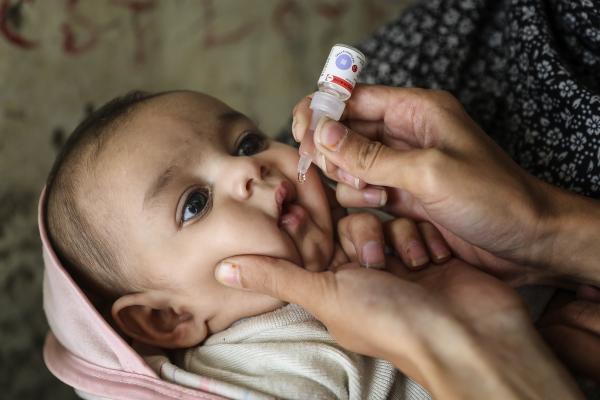
This decision has various implications. Legally, it establishes a precedent that aid groups lack standing to sue when the executive impounds funds. Medically, the continuation of the funding freeze means that many NGOs have been laid off, contributing to the disruptions of life-saving humanitarian programs around the world. This could cause up to 14 million additional deaths by 2030, many among children under the age of 5. These aid reductions also compromise US goodwill and soft diplomacy, which creates space for rivals to fill gaps and may further weaken American foreign influence. In addition to the ruling, the Rescissions Act of 2025 has further devastated the situation by legally enacting all of these cuts to foreign aid, such as protections for areas like HIV/AIDS prevention.
Overall, the Trump administration’s victory in court and its stern position on limiting foreign aid will impact life-saving health services, could damage international relationships, weaken global influence, and limit judicial oversight over withholding of Congressional funds by the executive branch inside the US government.









Leave a Reply