

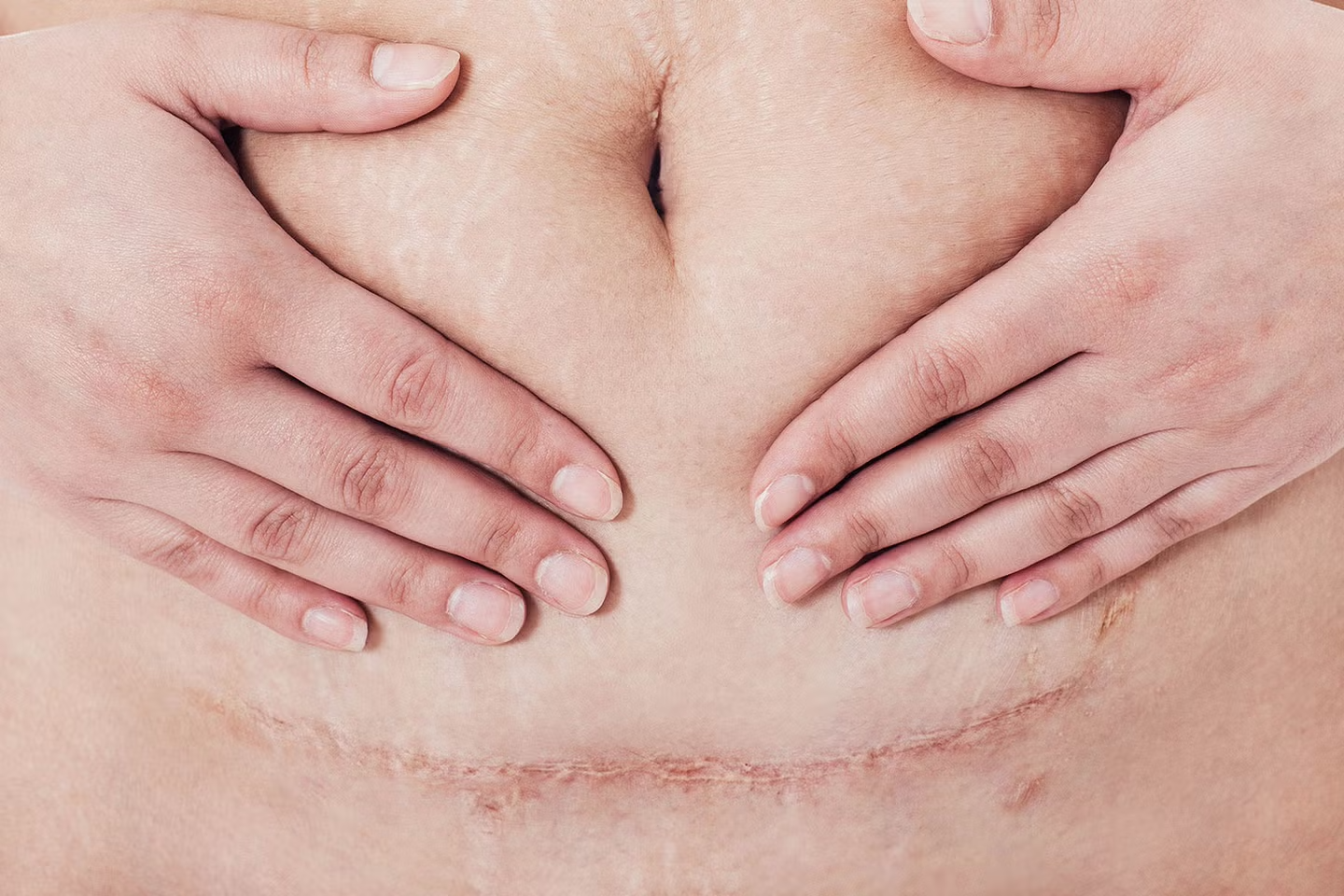
Childbirth has always been unpredictable, so with recent medical advancements in the last few years, countless lives have been saved. One of the most significant tools that has contributed to this is the cesarean section, a surgery that can mean the difference between life and death in complicated deliveries. However, around the world, the number of C-sections has risen far beyond what experts consider medically necessary, which raises new questions about how we approach perinatal care.
The World Health Organization recommends that cesarean deliveries should make up about 10-15% of births. Yet in many countries, this does not remain true as rates have soared well beyond that range. For example, in the United States, nearly one in three births is now a C-section, with some urban hospitals having rates that are even higher. While the procedure can be lifesaving, in many cases the surgery can be unnecessary and comes with a lot of risks. Some of these include longer recovery times for mothers, higher chances of infection, and complications in future pregnancies.
So why are so many babies being born out of surgery rather than vaginal delivery? The reasons are complex in many ways. Hospitals and doctors alike face pressure from liability concerns in many cases, and this results in them choosing surgery over perceived risk. Other times, patient preference plays a role, with some parents opting for planned C-sections for the convenience or fear of pain in labor. Financial incentives can also matter, as C-sections bring in higher reimbursements for hospitals when compared to vaginal births.
The impact that this has on perinatal health in general is significant. While medically necessary cesareans save lives, overuse of the procedure contributes to rising maternal morbidity and puts babies at higher risk for breathing difficulties and altered gut health due to missing exposure to the vaginal microbiome. All of these effects emphasize how a well-intended intervention carries unintended consequences when abused and used too often.
Addressing this issue requires systemic change. Hospitals can implement strict policies that prevent non-medically indicated C-sections before 39 weeks of pregnancy. Expanding access to midwifery care, doula support (or in other words, guidance and emotional encouragement during childbirth), and education about labor will lead to parents feeling more confident about vaginal birth, while training healthcare providers to avoid unnecessary interventions and offer continuous labor support can also contribute to reducing C-section rates.
It is essential that birth should be guided by health and not habit. Even though cesarean sections remain a vital part of modern medicine, their overuse has created a new challenge, one that calls for attention and requires more care to be given to the patient. The goal should not be fewer C-sections at any cost, but instead should ultimately focus on the right care at the right times for every patient and child.















Leave a Reply