

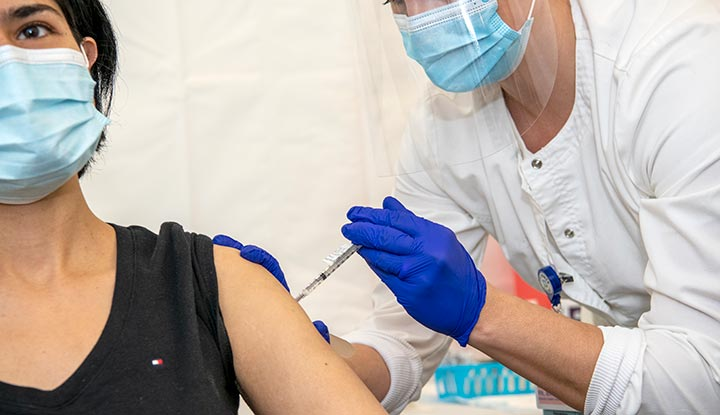
Vaccines help to prevent infections as well as viruses, by preparing appropriate antigens that could fight foreign invaders. Most of the vaccines introduce into the body a harmless part and piece of a particular virus which triggers an immune response.However and likely, scientists and researchers have developed a new type of vaccine which uses mRNA molecules rather than a part of an actual bacteria.
mRNA vaccines have helped to save millions of lives during COVID-19 pandemic. It played the main role in the global response to COVID-19. After great results and effects of this vaccine, medical researchers and scientists are planning to use the same method of using mRNA to cope with other viruses that are probably going to appear, as their success against COVID-19, provides just a glimpse of their full potential.
Messenger RNA (mRNA) is a single stranded molecule which functions to provide a genetic code for a specific protein, due to this it plays a vital role in protein production. Once cells finish making protein, mRNA starts to function.
During the normal cell development process, the parts of the DNA that contain genes are transcribed into mRNA, molecules. After this, it moves to the cytoplasm and functions as a main contributor to the protein creation process. However, mRNA vaccine is designed and tested in silico which means on a computer, by using genomic sequences of any kind of antigen of interest, to initiate an immune response. What is more, mRNA vaccine was done with the help of synthetic acid bases, such as adenin, uracil, guanin and cetosin. mRNA of interest is created by transcription from DNA, not in a cell and capped with a poly-adenine tail to prevent degradation which could ruin everything. The output was put into the delivery mechanism before testing for the quality. There are several ways of delivery methods that can be used to get mRNA, but lipid nanoparticles are the most common and favoured. These particles are extremely complex with their design and manufacturing process. With the right facilities and large scale procedures, mRNA vaccines can be made rapidly.
By using this mRNA vaccine, cells produce viral protein. As a normal and healthy part of immune response, the immune system recognises foreign protein and produces immune proteins called antibodies. These proteins help protect the body against infection and other health immune issues and make the pathogens for destruction. Once produced, antibodies remain in the body, so that the immune system can quickly respond to the health condition if exposed again. This is groundbreaking as it destroys all possible viruses before it could cause some health issues and serious illnesses.
Talking about advantages and limitations of mRNA,
Pros:
- The risk of integration into the host genome is likely rare compared to DNA vaccines.
- Non infectious, which means that there are no chance to catch infection make pose danger to the health
- Do not rely on non or mildly pathogenic viral vectors as a delivery method
- In vitro development, use of synthetic materials, which means that there are minimal contamination compared to other methods
Cons:
- mRNA and lipid nanoparticles are thermodynamically unstable, which means that they should be kept at cold temperatures
Recent studies show that mRNA vaccine could be a potential solution in cancer treatment. In simple words, mRNA cancer vaccines work by triggering a patient’s cells to produce tumor specific or tumor associated proteins (antigenes). Following that, this method of treatment trains the immune system to recognise and destroy potential, and clear cancer cells. This way of treatment is less toxic and a more effective alternative to other treatment methods that are traditional, like chemotherapy and radiotherapy.
To conclude, it is better to say that modern and advanced technologies like, testing machines, special delivery machines and storage, computers that could help to design and do trials offer immersive opportunities to novel medical therapies, treatments and innovations.









Leave a Reply