

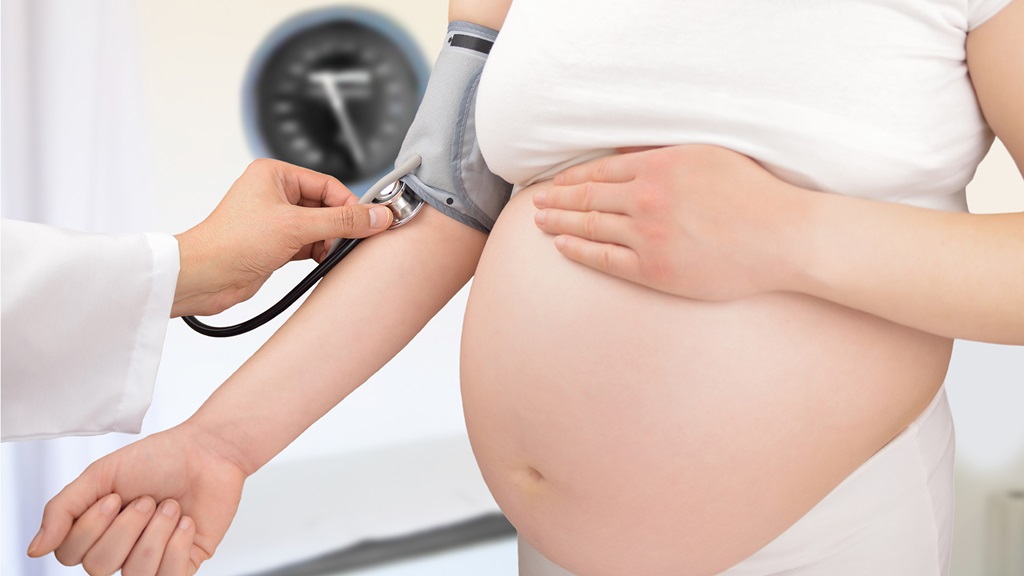
Once pregnancy is accepted as a “normal” occurrence, one forgets how intricate the medical process involved is. One of the most lethal complications is preeclampsia, involving high blood pressure and strain to organs, and it develops after 20 weeks of gestation. Each year globally, 70,000 women and 500,000 babies succumb to preeclampsia and gestational hypertension complications. Preeclampsia is usually detected when it is too late or when it has attained lethal strains, and thus it is a silent killer to mothers and babies equally, unless it is left undiagnosed.
All risks are not equal
Not all women are at risk equally for preeclampsia. In high-income countries, physicians have access to prenatal visits with blood pressure readings and urine analysis to identify it early. Medications to control blood pressure, magnesium sulfate, and early deliveries can manage the condition and prevent maternal or infant death. In low- to middle-income countries, however, a lack of access to care means many women find out they have preeclampsia only when they present severe signs like seizure, stroke, or organ failure.
They are at greatest risk for preeclampsia compared to any other risk to the health of mothers, and it is responsible for close to one out of four maternal deaths in resource-poor regions like Sub-Saharan Africa, according to the W.H.O. The hypertensive disorders disproportionately affect Black women’s maternal health at a rate equal to a national epidemic of high blood pressure itself. Numerous studies unveil how social determinants of health affect Black women’s risk for high blood pressure, ranging from chronic stresses of socioeconomic status over time to food deserts offering minimal access to nutrients to barriers inhibiting access to healthcare. As a result, health complications like preeclampsia occur through equity differences in health.
Encouraging Developments
Things can change, even with the risks involved. Basic screening tools could help immensely in low-resourced areas, such as blood pressure cuffs and urine dipsticks. Trained community health workers in rural Nigeria are on the lookout for symptoms, referring women when they need hospital care. Maternal health campaigns in Latin America have raised awareness about the need to visit health facilities upon sudden swelling, severe headaches, or changes in vision.
Recent studies have identified placental proteins as precursors to diagnosis, which might help doctors diagnose preeclampsia before symptoms arise. But such advancements are still developing. The most significant developments that can occur now lie within access for all women to minimal prenatal assessment at some point during their gestation. Family education is also necessary, for when they understand risk factors and symptoms, women and their partners can act sooner if a problem occurs.
The Next Steps
Preeclampsia is an example of how close any pregnancy is to a medical emergency instead of natural development. Solving it requires more than better technology to facilitate a diagnosis, but equity in maternal care. With proper screening, community-level engagement, and awareness, thousands of lives can be saved annually. Ultimately, every expectant mother deserves the chance for a healthy pregnancy/delivery, regardless of her situation.














Leave a Reply