

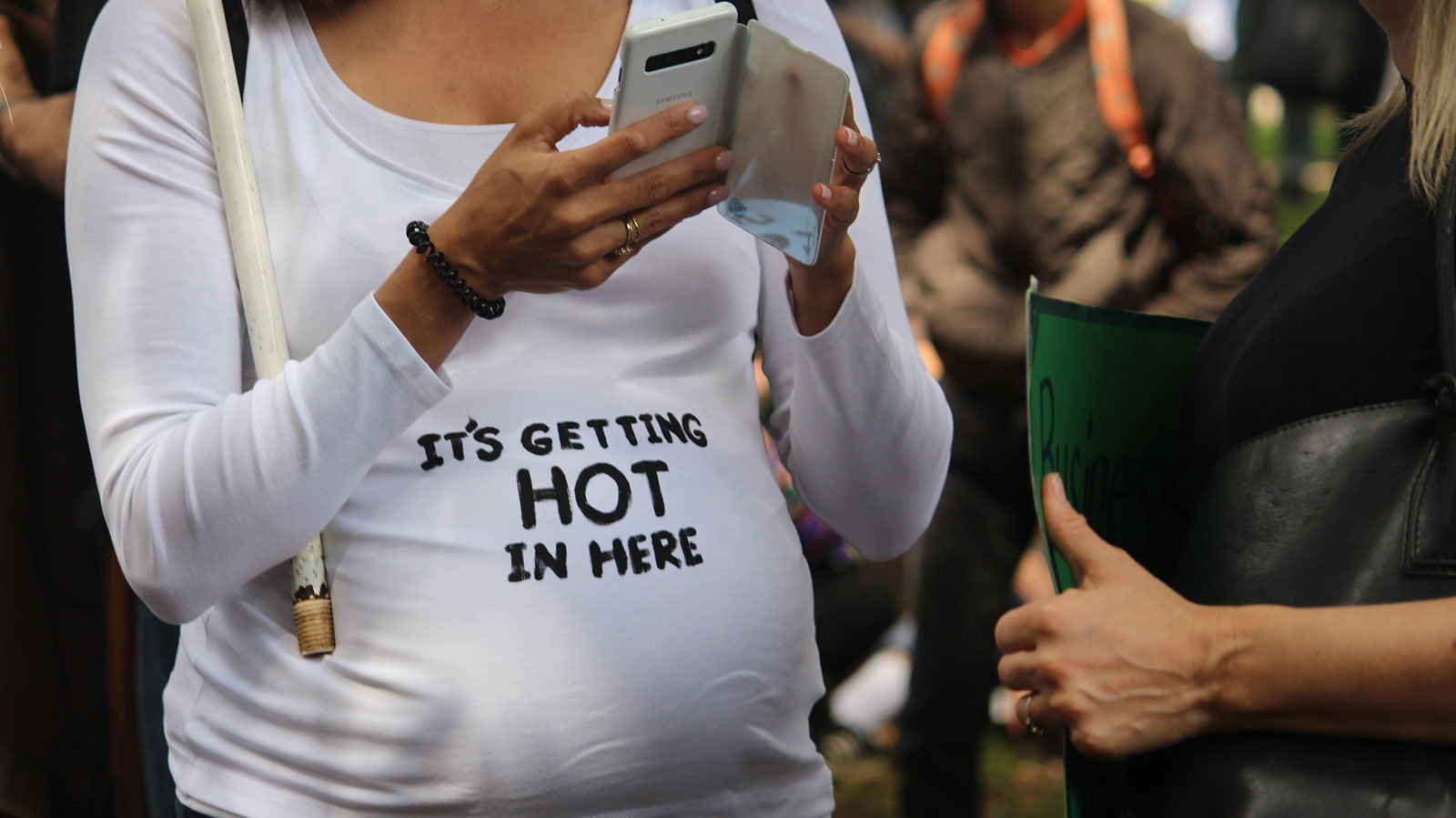
For many expecting parents, climate change is adding a new set of risks, worsening a time that is already full of vulnerability. Rising temperatures, worsening air quality, and extreme weather events no longer remain as distant threats, and instead are affecting mothers and babies around the world right now. From preterm births during heatwaves to low birth weight linked with wildfire smoke, the changing climate is becoming one of the most pressing issues in perinatal health.
Studies show that exposure to extreme heat during pregnancy increases the risk of preterm delivery. This is due to the fact that when a mother’s body overheats, it can trigger contractions or restrict blood flow to the placenta, leading to early labor. In the United States alone, researchers estimate that thousands of preterm births each year may already be tied to climate-related heat exposure.
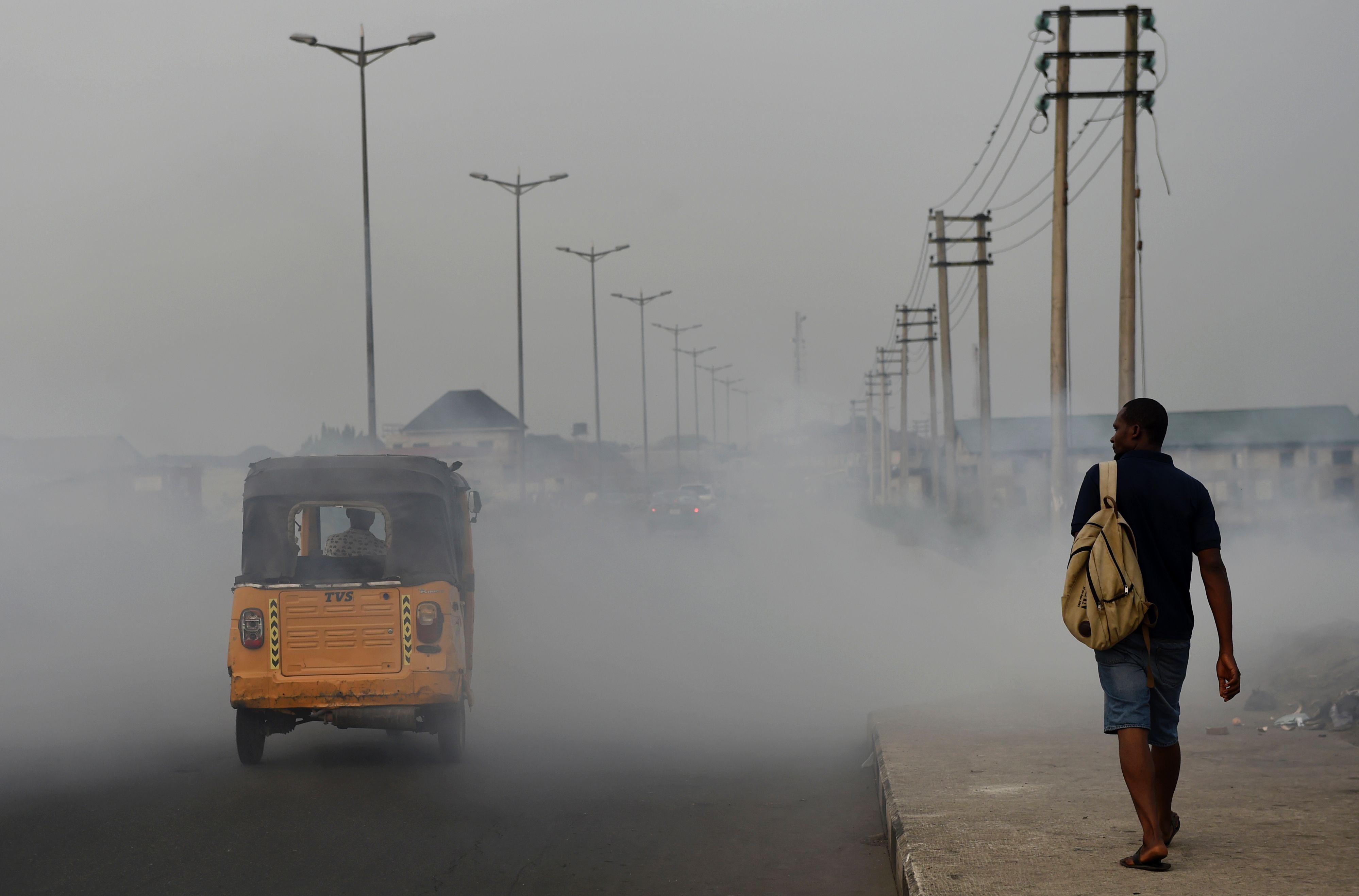
Air pollution is another hidden danger. Fine particle matter from traffic, industry, or wildfires can pass through the lungs into the bloodstream, eventually reaching the placenta. This pollution therefore has been linked with low birth weight, stillbirth, and complications during delivery. These early setbacks can affect long-term health for the baby, as it increases risks of asthma and developmental delays.
It is important to note that this burden is not shared equally though. Low-income families, migrant farmworkers, and communities of color are often the most exposed to environmental hazards, while also having the fewest resources to protect themselves. Coping with climate stressors can further be nearly impossible due to lack of access to air conditioning, clean indoor air, or safe housing. This makes climate change not just an environmental issue, but a clear matter of health equity as well.
Protecting those who are pregnant in a warming world requires urgent action. Public health officials can issue heat and air quality alerts specifically targeting pregnant populations, which ensure they have the resources to stay safe. Expanding access to cooling centers, clean air shelters, and prenatal care during extreme events can also help in fixing these issues. On a larger scale, climate policies that cut air pollution and reduce greenhouse gas emission are essential investments in maternal and infant healthcare.
Climate change is reshaping the landscape of perinatal health for the worse, and this is concerning for many reasons as pregnancy should not be a time of fear. By acknowledging the risks, addressing inequities, and building resilience in healthcare systems, we can protect the most vulnerable lives at the very beginning, making sure that every baby has the chance to start life healthy, even in a changing environment.













Leave a Reply