

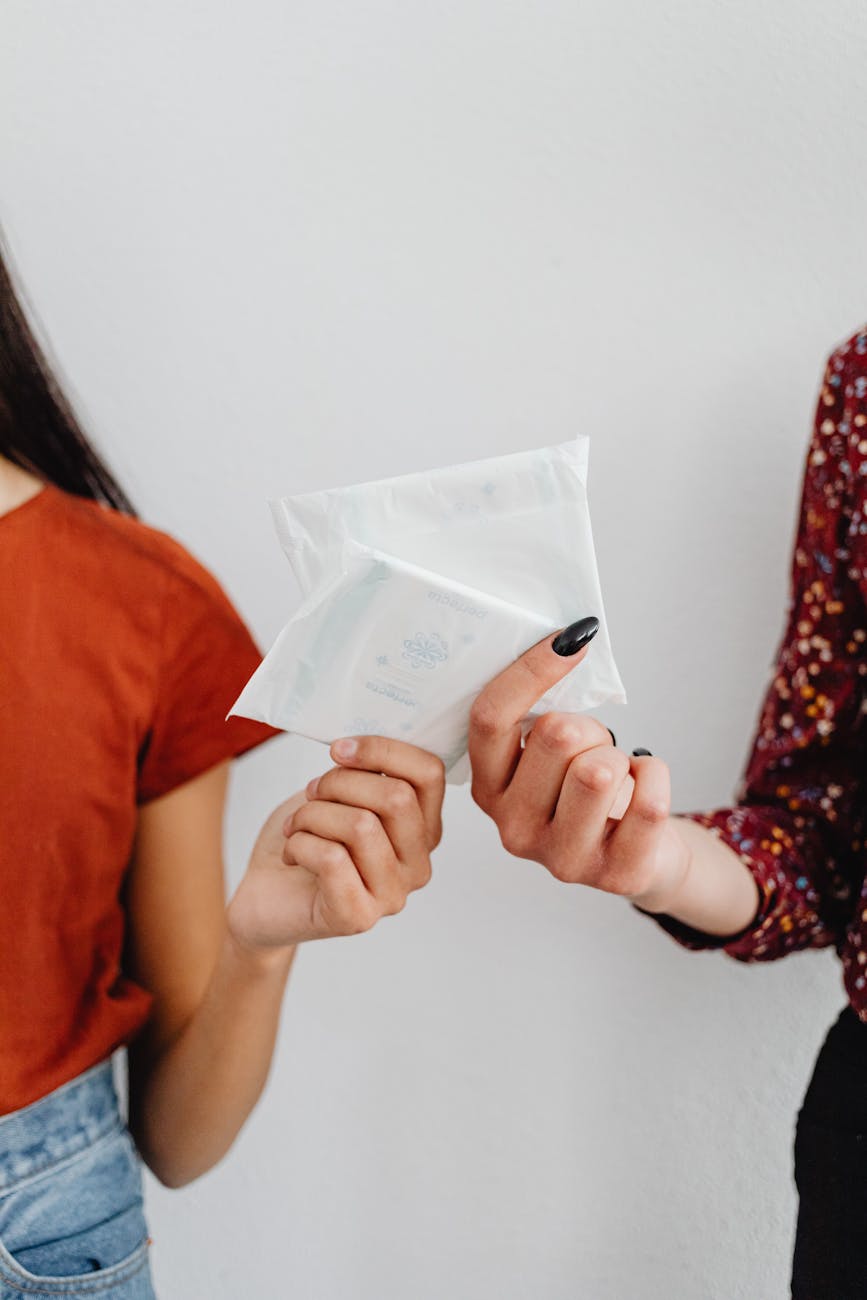
According to UNICEF and the World Health Organization, around 2 billion people (about a quarter of the global population) menstruate each month. Yet, in the US alone, 1 in 4 teenagers and 1 in 3 adults struggle to afford period products like pads and tampons—and that’s barring the millions of others outside the U.S. who also lack access to these vital hygiene products. Yet, despite this bleak outlook on the prevalence of period poverty, menstrual equity legislation is beginning to emerge as a beacon of hope.
In a nutshell, menstrual equity legislation aims to make period products accessible and available for all in a couple of different ways. For one, legislation has the ability to make pads, tampons, and other products free in public spaces, such as schools, libraries, and park bathrooms. Scotland led the charge on this front, becoming the first country to provide free tampons and sanitary pads to everyone with the Period Products (Free Provision) (Scotland) Bill in late 2020. Free products are now available everywhere, from pharmacies to youth centers, which are especially crucial since younger students who are unable to access period products are more likely to skip school as a result.
In a similar vein, some countries have adopted menstrual equity legislation in the form of eliminating the “pink tax” or “tampon tax” on period products. This is often considered a form of gender-based discrimination, especially in areas where period products are taxed as luxury goods rather than the basic necessities they are. Here, Kenya became the first to adopt groundbreaking legislation eliminating its “value-added tax” on tampons and sanitary pads in 2004. Years later, many nations, such as Mexico and Namibia, have followed in eliminating these taxes.
These countries are a few out of the many countries that have started to adopt menstrual equity legislation—now including Jamaica, Canada, Colombia, and many others. Various countries in Asia and the Iberian Peninsula have also added policies providing menstrual leave, though the extent to which they apply varies from country to country. Despite this, there are still many places throughout the world where menstrual equity is lacking. This could be due to many things from social stigmas surrounding menstruation to high costs or shortages of products. But menstruation equity legislation cannot be overlooked, and pushes to implement it are the first step in ensuring a basic human need is met for everyone.











Leave a Reply