


Pregnancy is the process of carrying and developing a fetus in the uterus (womb) of a woman. It typically lasts for about 40 weeks, and it is subdivided into three trimesters. Each week brings about a new development, from the earliest onset of cell growth to the moment a newborn draws its first breath. Understanding what happens at each stage enables parents to be prepared for the physical and emotional journey ahead.
A majority of women may not know they are pregnant during the first few weeks. Around week 3, the egg that has been fertilized implants itself in the wall of the uterus, initiating the baby’s growth. Around week 5, the tiny embryo is growing a brain, spinal cord, and heart. Morning sickness and fatigue usually begin around this time as the mother’s hormones surge. Around week 8, the baby has tiny arms and legs, and its heartbeat can sometimes be heard using an ultrasound.
The first trimester lasts until week 12. At this time, the body adjusts to changes like nausea and fatigue. Prenatal vitamins, healthy eating, and avoidance of harmful substances are generally recommended by doctors at this stage. The second trimester, which runs from weeks 13 through 27, is often called the “golden period” of pregnancy because most of the early symptoms fade away. Around week 16, some women start to feel the baby move, which is described as soft fluttering. Around week 20, the baby’s organs are developing quickly, and an ultrasound can usually tell whether it’s a boy or a girl.
During this time, the mother’s belly is more prominent as the baby grows. The baby’s skin, bones, and muscles continue developing, and by week 24, it can hear outside sounds from the womb. The third trimester, which lasts from week 28 to week 40, is when both the mother and baby prepare for birth. The baby keeps gaining weight rapidly and starts moving more vigorously. Around week 32, it begins to settle head down in the womb. The mother might feel more fatigued as the extra weight presses down on her back and feet. There might also be swelling in the legs and hands, which is normal but should be kept in check by a doctor. By week 36, the baby’s lungs are almost fully developed, and the baby is getting ready for life outside the womb.
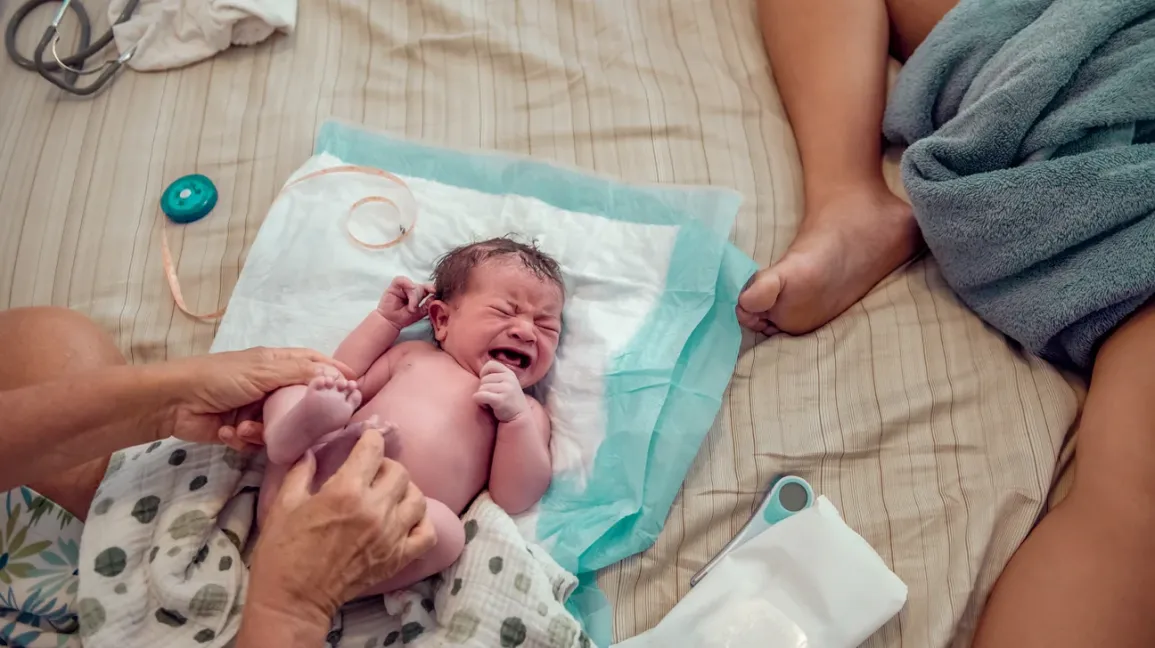
Pregnancy is never the same for every woman. Each woman is unique, and morning sickness, cravings, or energy levels will also be unique. Regular doctor’s visits make sure the mother and baby are healthy. The baby is full term by week 39, and most deliveries happen prior to or not long after week 40. After labor begins, the baby moves through the birth canal, and a new life begins.














Leave a Reply