

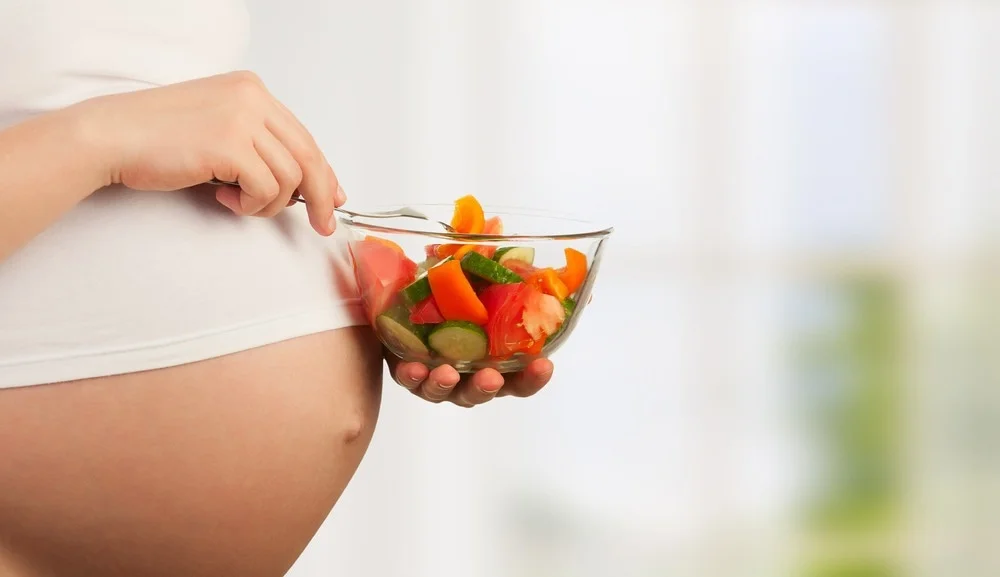
One of the most important parts of a healthy pregnancy is nutrition. Without getting proper amounts of nutrients, a pregnant woman can affect her own health, as well as the development of her baby. Throughout the world, malnutrition remains a very big problem for mothers in regions where healthcare or food access is not readily available.
Malnutrition is a condition where the body does not get the necessary nutrients, like protein, iron, vitamins, and minerals. During pregnancy, a woman’s body is working double time to support her body as well as the unborn child. If she is not consuming the required nutrients in her diet, there can be severe and long term complications.
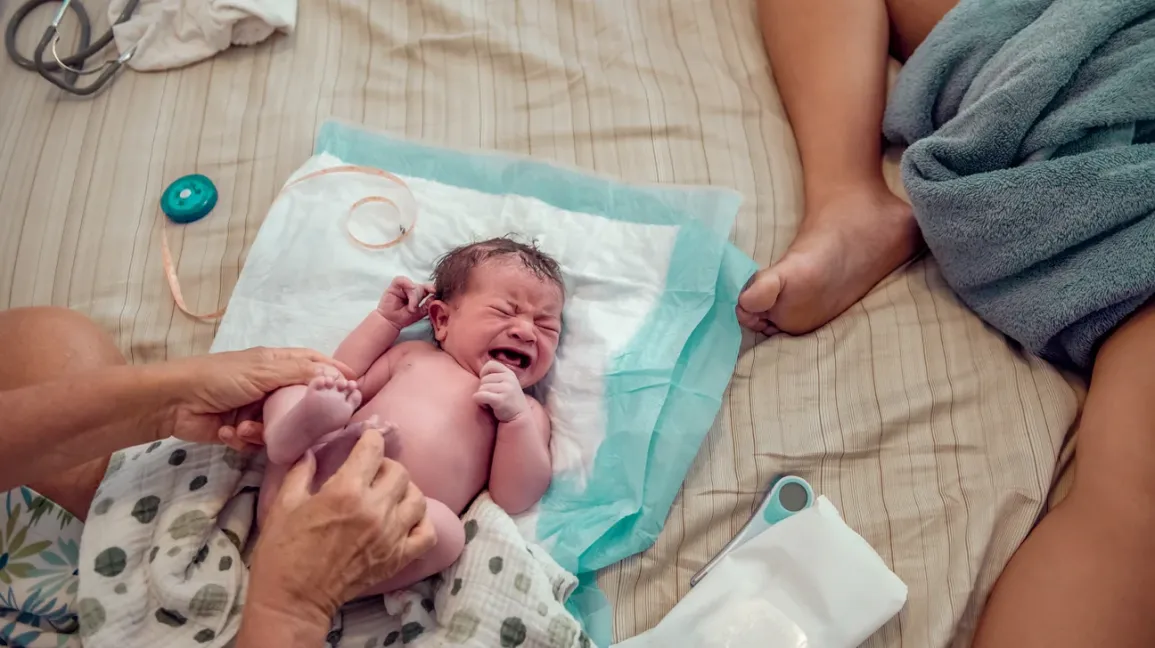
When a mother does not get a proper diet or the appropriate vitamins, then her baby may not develop properly inside her womb. This may lead to a situation called low birth weight, when the baby is born with less weight. Babies born with low birth weight have higher probabilities of having health complications like weak immune systems and slower growth. In severe cases, malnutrition during pregnancy may even increase the chances of miscarriage or premature delivery.
For pregnant women, nutritional deficiencies can cause serious health problems. Insufficient iron, for example, can cause anemia, which will weaken the mother, dizzy her, and make her tired. With inadequate calcium, her bones and teeth will be weakened. Insufficient protein or calories can also drain her body so that it will not be able to withstand labor and post delivery recovery. A diverse diet that includes vegetables, fruits, grains, and protein keeps both the mother and baby healthy. Iron from beans, spinach, and meat helps avoid anemia, while leafy greens and milk provide calcium for bone health. Folic acid in oranges and cereals helps to avoid birth defects in the baby’s brain and spine.
The World Health Organization recommends that pregnant women undergo regular prenatal visits, where doctors can track their weight and overall health. The visits also help identify the signs of early malnutrition and provide mothers with supplements or extra support when needed. Malnutrition in pregnancy not only damages the initial months of life for an infant, but it can also last a lifetime. Infants born to mothers who are malnourished can experience stunted growth or learning and developmental issues later in life. That is why investing in the nutrition of pregnant women is key to the health of future generations.
Good health through nutrition is not just about consuming enough food, but consuming the right kind of food. Small modifications, like adding more fruits, vegetables, and protein to a day’s diet, can do a lot of good. Well-nourished mothers are healthier, more energetic, and better equipped to take care of their infants.














Leave a Reply