

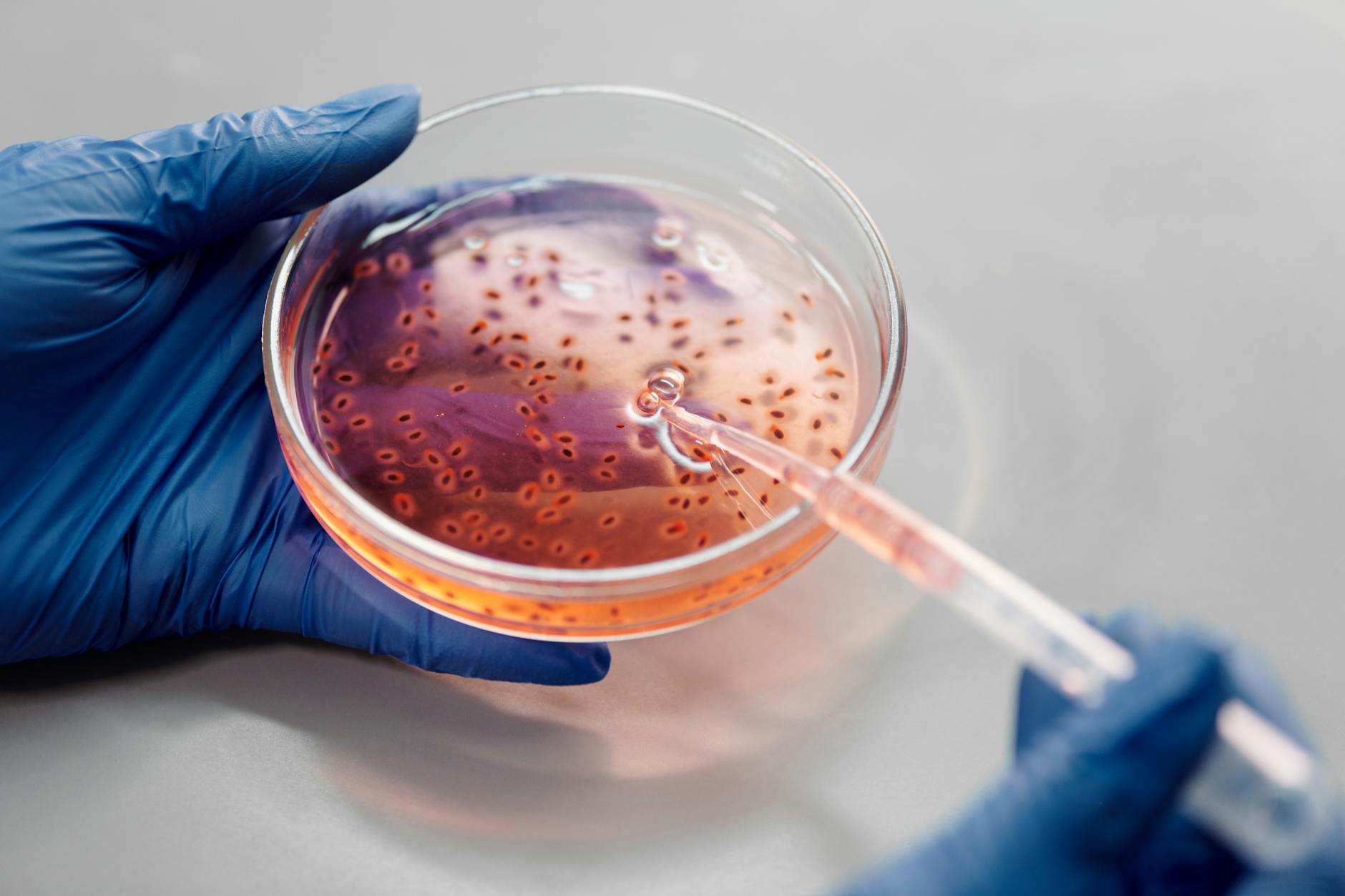
The United States government aims to compel countries that receive its aid to fight HIV, tuberculosis, and malaria to share information about “pathogens with epidemic potential” in exchange, based on a US government document, the “PEPFAR (President’s Emergency Plan for AIDS Relief) Memorandum of Understanding (MOU) template”. The PEPFAR template is narrowly focused on nine outcomes related to HIV treatment and reducing tuberculosis deaths in children. The purpose of the MOU was written as “to establish an understanding between the US Department of State and partner countries that will advance US interests, save lives, and help countries build resilient and durable health systems.” Once the MOUs are signed, countries can expect funds from April 2026, which is important because numerous African countries are desperate for funds after their HIV treatment and care programmes were abruptly disrupted after the US declared a three-month halt to foreign aid in January. In addition, countries that sign these bilateral MOUs with the US are expected to sign a “specimen sharing agreement,” which means they have to share biological material and genetic sequence data of those pathogens with the US within five days of detection.
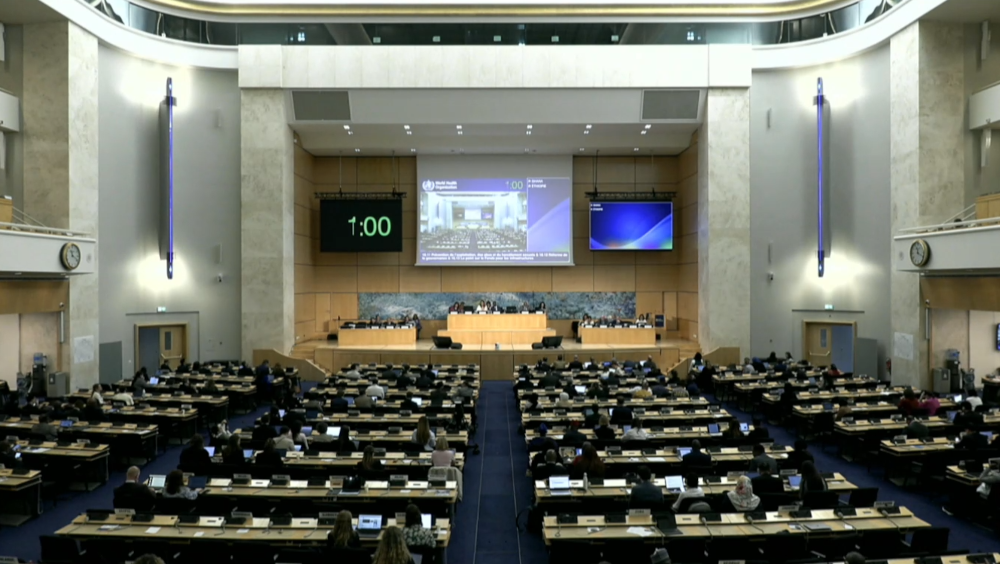
The agreement is envisaged to continue for 25 years, although the general American aid package only runs from 2026 to 2030. However, the MOU states that the specimen sharing agreement is still being drafted. These significant bilateral deals will potentially torpedo the Pathogen Access and Benefit Sharing system currently being negotiated by WHO member states. The US dropped out of the WHO in January 2025 when President Trump came into office.
Developing countries make the case that they need to benefit from any vaccines or diagnostics that are developed from the pathogen information they share. However, the US bilateral MOU does not make any reference to countries receiving benefits from sharing their pathogen information, although they will get US support to develop disease surveillance and laboratories. The US commits to assisting with salaries for field epidemiologists, but only for 2026. After that, countries will be responsible for a growing percentage of these salaries and transporting pathogen specimens to labs over the grant period, which lasts until 2030.
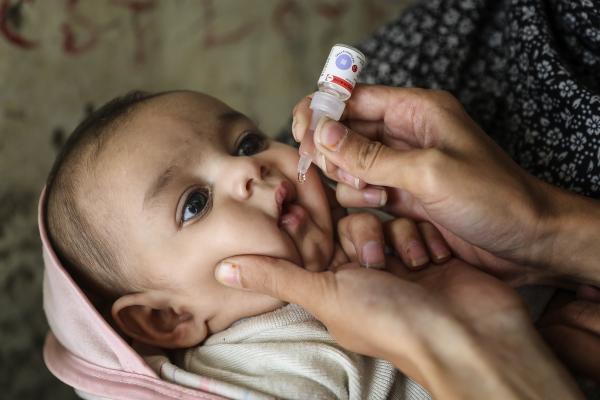
This new policy was built on previous significant changes in health policy from the US. In September, the US State Department unveiled its “America First Global Health Strategy”, committing to resuming funding for HIV, tuberculosis, malaria, and polio medicine and the salaries of health workers through bilateral deals with governments and other organizations, at least for the 2026 financial year. The long-awaited strategy clarifies how the Trump administration aims to restructure the aforementioned PEPFAR and replace functions of the now-defunct US Agency for International Development (USAID) partially in order to achieve their idea of receiving pathogen data while continuing their newly envisioned aid mission.
US Ties Global Health Aid to Sharing Pathogen Data








Leave a Reply