


Three months ago, the America First Global Health Strategy (AFGHS) was unveiled amidst heavy budget cuts to policies such as USAID. This policy was launched in September 2025 to fulfill the three goals of making “America safer, stronger, and more prosperous,” according to the U.S. Department of State website. More specifically, AFGHS seeks to replace and restructure the functions of USAID and the President’s Emergency Plan for AIDS Relief (AIDS). Though this may sound like a ray of hope in a sea of cuts to funding, this plan also aims to prioritize US interests, which could have consequences on health security.
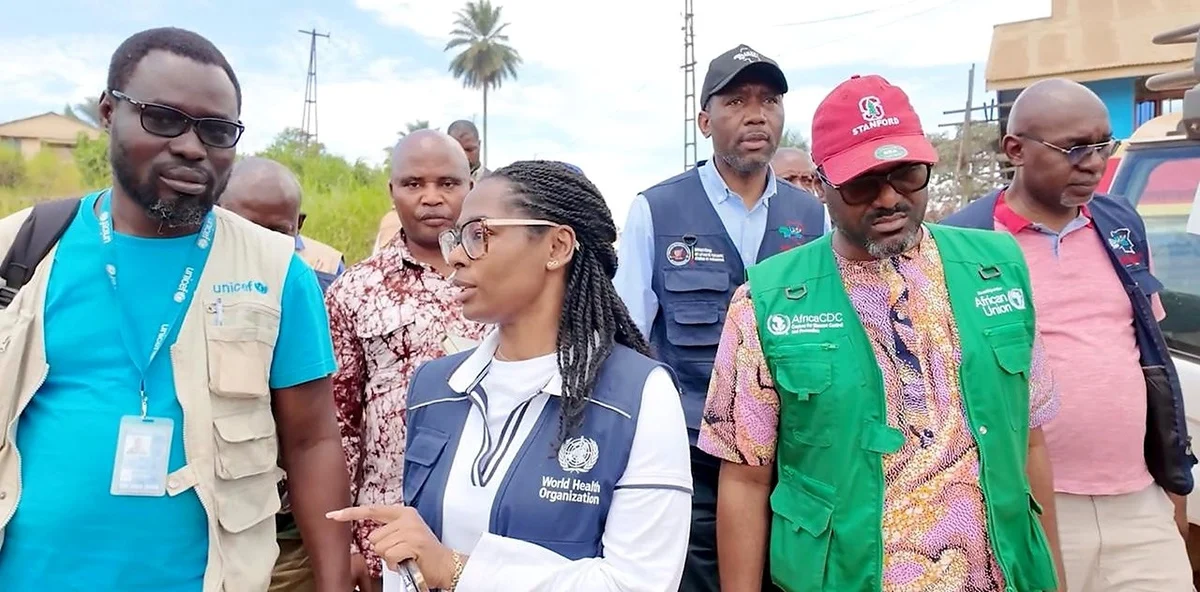
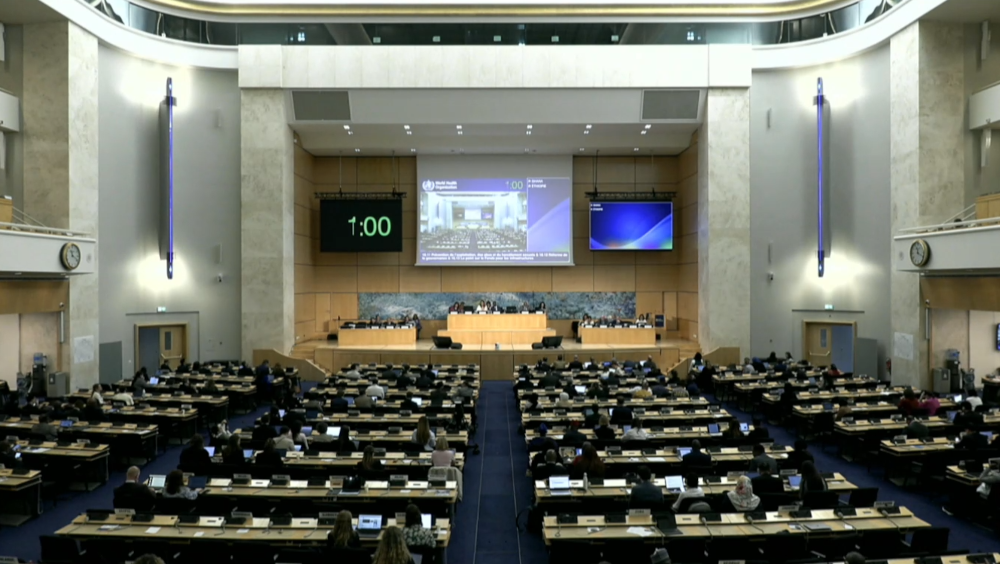
So why did the U.S. feel the need to revamp its global health strategy in the first place? The answer lies in the issue of “phantom aid,” where donor programs by the US were often inefficient and aid was diverted away from its intended recipients before it even arrived, due to high administration costs and other mishandling. AFGHS aims to solve this by shifting towards bilateral agreements directly with governments in need of aid, in order to bypass the nongovernmental organizations and other groups that may complicate the process. However, this means that crucial groups like the World Health Organization (WHO) are cut out, which could be dangerous in the event of a global health emergency where broader, multilateral participation is key.
Ultimately, AFGHS’s goal is to eliminate a “culture of dependency” between countries involved in aid, which is ambiguously feasible. The plan seeks to achieve this by leveraging the aforementioned bilateral agreements to promote American innovations specifically. While the use of American products could benefit other countries in addition to America itself, it also limits other crucial health products from other countries from being used in aid.
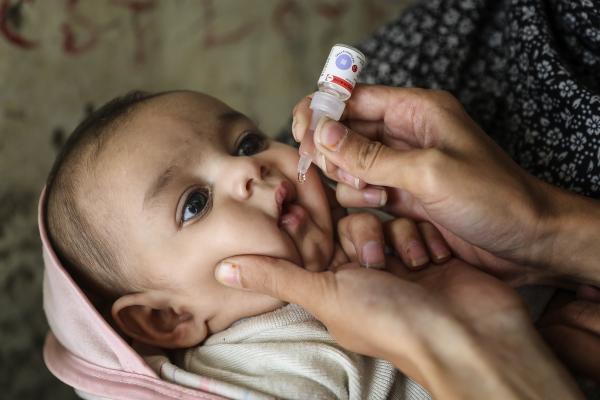
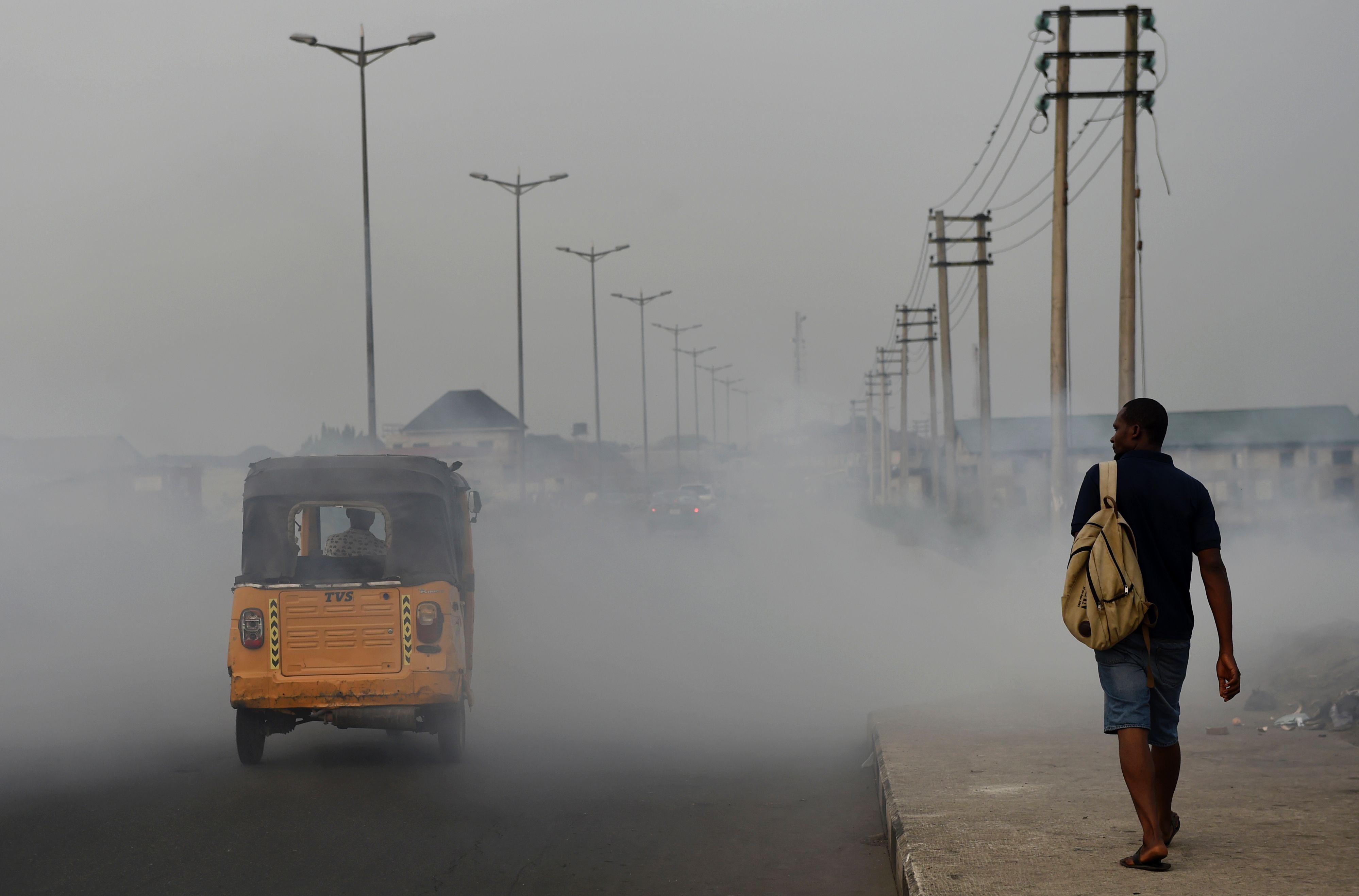
Moreover, AFGHS’s move away from broad strokes also impacts the disease it aims to help treat. This new plan shifts the focus mostly to infectious diseases, namely HIV, tuberculosis, polio, and malaria. While these maladies are certainly crucial to protect against, concentrating efforts solely on these ignores other conditions that make up two-thirds of the world’s health threats. These include maternal health, non-communicable diseases, surgical access, and even the effects of climate change on human health. Thus, in theory, AFGHS sounds like a good idea in contrast to previous policies that crippled rather than benefited global health aid. In practice, however, it may turn out to be a very different story.










Leave a Reply