

Medicine often falls short long before a patient finds their way to a clinic. This is an especially prevalent issue within the Rohingya refugee camps at Cox’s Bazaar in Bangladesh, where nearly a million people, pushed out of Myanmar by years of persecution, are crammed together in makeshift shelters. As the largest, most crowded refugee settlement on the globe, creating a stable healthcare system is difficult in itself, much less sustaining one. However, the medical problems here are not limited to being about poverty or being uprooted. In reality, they start with global policy failures that subtly decide who gets treated and who’s left behind.

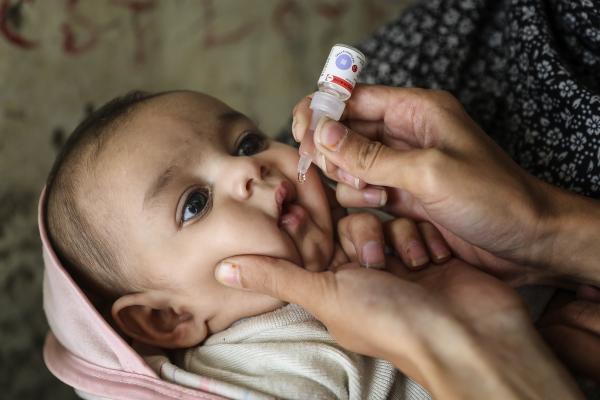
Firstly, clinics are often lacking in essential medications. Since medicine shipments are highly dependent on International NGOs, when donations to these NGOs fall short, shipments and medicine do as well, which leads to treatable illnesses such as respiratory infections, diarrhea, and malnutrition spiraling out of control. Chronic conditions, such as diabetes and high blood pressure, are exacerbated as well. In most established health care systems, people have daily access to their medication. In refugee camps, many are forced to go without theirs for weeks.

The sheer number of people plays a major role in the disparity as well. Cox’s Bazaar is more dense than most cities, which leads to diseases thriving: waterborne illnesses racing through the shared toilets and tap, and respiratory infections that are easily transferred from person to person. The clinics simply were never built to serve a population this size.

However, the problem does not lie solely in medicine. It lies in rigid, unchanging policies that do not care for the truly needy.

Bangladesh, worried that the refugees will stay forever, blocks the construction of anything permanent. As such, everything is temporary and not built for years of ongoing need, leading to a lack of real hospitals and equipment. In addition to this, Myanmar refuses to recognize the Rohingya as citizens and shuts down any talk of return or shared healthcare planning. This leads to the refugees being caught in limbo, with no legal status and no country willing to take true responsibility for their health.

Due to all these reasons, the entire system is extremely unstable, and even a small crisis is able to push it over the edge. The Rohingya camps show an issue that is becoming increasingly prevalent in modern-day society as innovations in medicine are made: healthcare isn’t just about doctors and medicine. It’s also about global policy, about who takes action and who looks away. And until attention is brought to this fact, until global leaders build real, lasting systems for refugee care, until the global population notices this and cares, people will keep slipping through the cracks, suffering on the outskirts of the world’s attention.Inaccessibility to Medicine in the Rohingya Refugee Camp










Leave a Reply