

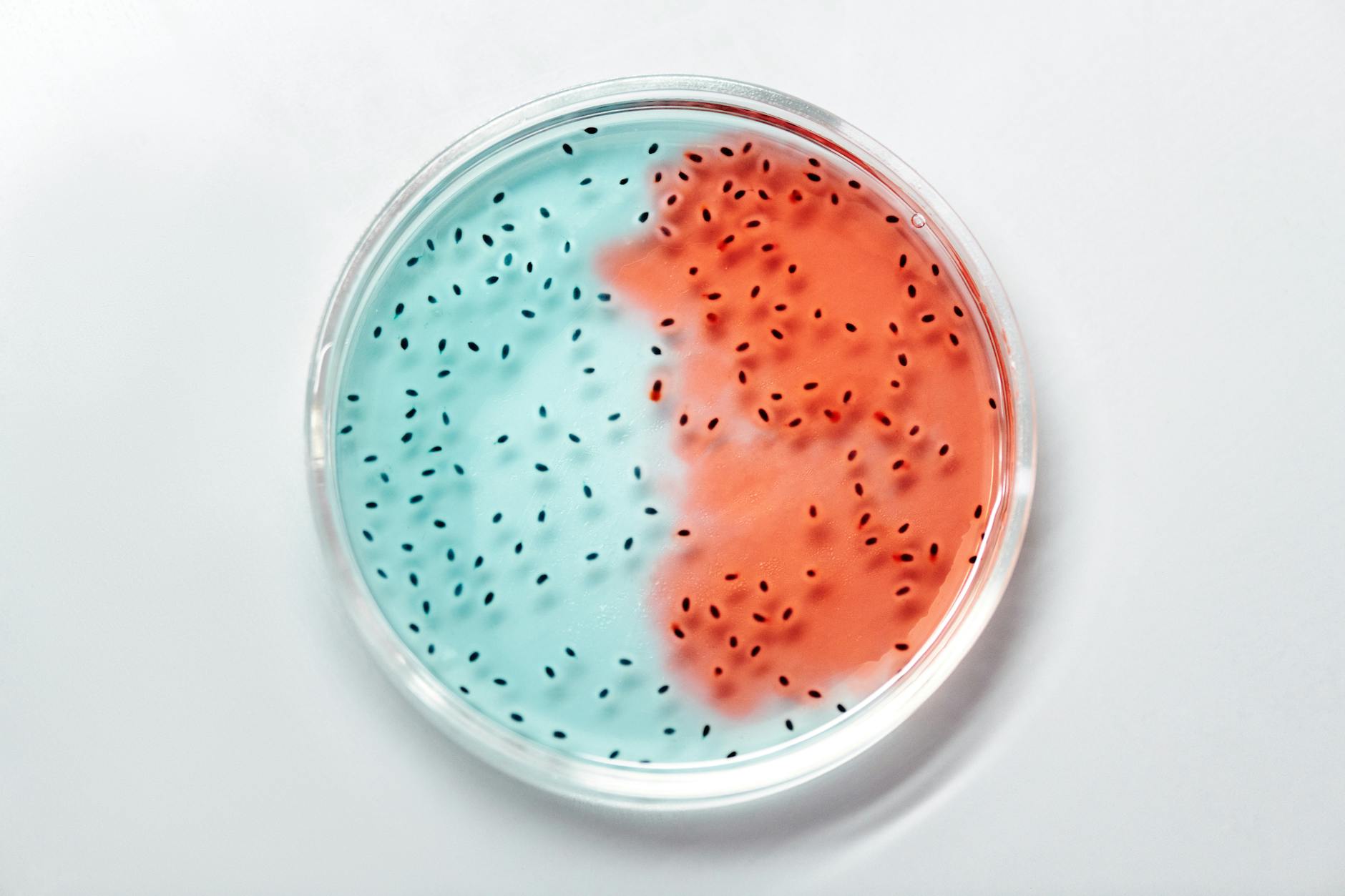
Antimicrobial resistance (AMR) has been especially prevalent in recent years and is now becoming one of the most pressing issues in global health and medicine. In 2024, the Centers for Disease Control and Prevention (CDC) published data on six bacterial antimicrobial-resistant hospital-onset infections, which showed that they increased by a combined 20% during the COVID-19 pandemic, and remained above the pre-pandemic level in 2022. Additionally, it reported that Candida auris, a type of yeast that can cause severe illnesses and is resistant to antifungal medications, increased nearly 5-fold from 2019 to 2022. In the U.S alone, more than $4.6 billion is spent annually to treat infections caused by only those six antimicrobial-resistant germs.
However, it’s not simply a scientific issue. It lies in policies, and global policy itself is both a driver and a potential solution.
The main reason behind AMR’s expansion is due to shortcomings in stewardship. Overuse and misuse of antimicrobials in humans, animals, and agriculture apply evolutionary pressure on microbes. This fast forwards their evolution through a ‘survival of the fittest’ that occurs countless times, due to the extremely fast reproduction of these microbes. Eventually, this is what leads to the emergence of AMR and its broader impacts.
Additionally, in many low and middle-income countries, antibiotics are poorly regulated and often bought without a prescription. Additionally, they are used for livestock growth promotion. At the same time, high-income countries struggle with broad prescriptions and slow diagnostics, which further exacerbate the issue of AMR and resistant pathogens across the globe.
Despite the increasing prevalence of AMR and its clear consequences, the policy infrastructure containing it is underdeveloped. Though many countries have endorsed national action plans, many do not implement them: they lack funding, coordination, surveillance, and regulation. Global strategies such as the “One Health” approach, which links human, animal, and environmental health, make sense in theory, but are poorly implemented in reality.
Global policy is also sorely underdeveloped for incentivising new treatments. Money spent on forwarding antibiotic research is slowly dying, because the economic model for bringing new antimicrobials to the market relies on restricted usage in order to prevent resistance, and profits are limited. At the same time, international agreements and treaties to bind countries to comprehensive guidelines regarding AMR are still in their early stages. While some advocacy groups are calling for legally binding global treaties on AMR, the political movement itself remains slow.
Without strong policy intervention, infections that were once considered tame may cause the death of millions, and hospital procedures such as surgeries, chemotherapy, organ transplants, and newborn care will also suffer from an increased risk of cross-contamination. The consequences of letting AMR spiral out of control aren’t limited to human lives, either; global economies will suffer as well: longer hospital stays, more expensive drugs, and lost productivity will lead to millions, if not billions, of dollars being expended.
It is clear that antibiotic resistance is not only a biological problem; global policy failures contribute to it immensely as well. In order to preserve the effectiveness of conventional drugs and to stave off the rise of AMR and its consequences, there must be implementation of stronger global frameworks, international and intersectional coordination, incentives for innovation, and regulations to encourage responsible use.












Leave a Reply