

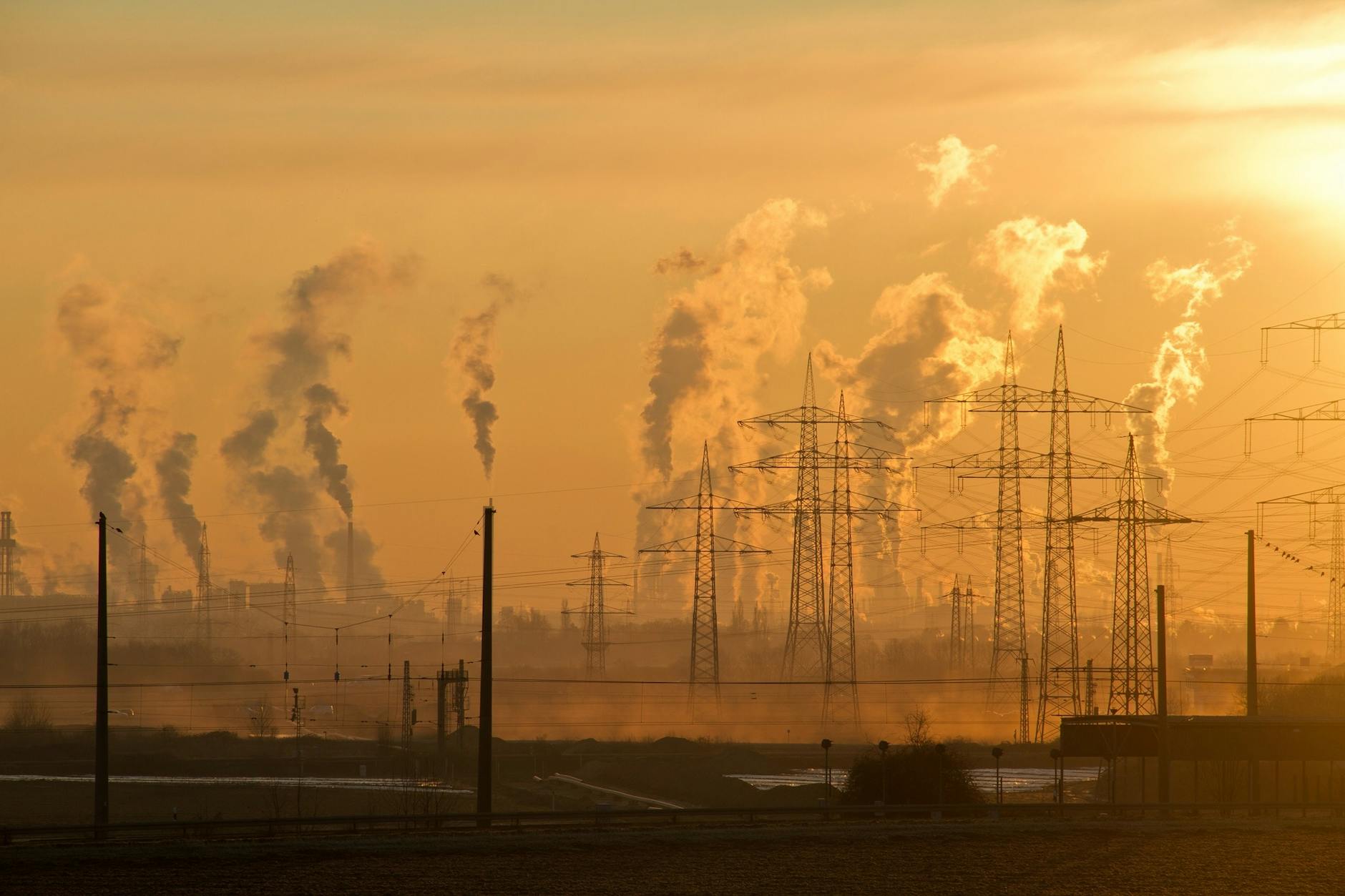
There are certain health issues that are emerging at an alarming rate due to climate change. This is ultimately influencing policymakers, insurers, and health systems to reconsider how they pay and protect themselves. Due to the changing climate, multiple diseases can be easily aggravated, yet this increasing risk has often been ignored by insurers. Few nations currently have a combination of health, life, and disability insurance to cover the health risks associated with the climatic conditions; however, for the most part, affected individuals are left to bear the medical expenses and costs independently.
Alongside the main concerns, it should be noted that the health-related events from the climate are usually shown through a sudden increase in healthcare costs. For example, a heatwave may lead to a surge of dehydration and cardiovascular stress cases. Wildfires caused by extreme heat can lead to smoke increasing asthma attacks and lung damage. With these uncertainties, insurers are drawn to increasing premiums, coverage exclusions, or even completely retreating from the high-risk markets. If this is left without any policy intervention, we could continue to see this coverage gap grow.
Luckily, policymakers are now searching for solutions. A few nations are now incorporating climate-health indicators in general insurance planning, covering people with essential services that relate to heat stress, disaster health management, and any outbreak of infectious diseases. Others are also experimenting with a risk-pooling strategy, where the economic burden of the changing climate is spread across multiple regions, reducing the local pressure on insurance markets. An alternative method to the economic pressure can be addressed through encouraging low-income or climate-sensitive groups to receive care, especially during an environmental crisis.
At the same time, private insurers are experimenting with new products that are specifically intended to cover climate-related health risks, illnesses, or temporary displacement benefits. The involvement of climate projections in these models could still stabilize premiums. The threat can also be minimized at the population level by investing in preventative measures, including cooling systems in the cities, air-quality monitoring, mosquito-control programs, and ultimately, reducing claims. However, these innovations are niche-based, and a large number of them can’t be purchased without regulatory assistance.
All in all, those affected by the ongoing climate change shouldn’t be ignored but should have extended fairness and stability to cover their health as well. With the climate crisis becoming more impactful and serious, insurance policies must also be revised to cover new health concerns to ensure that everyone is protected.













Leave a Reply