


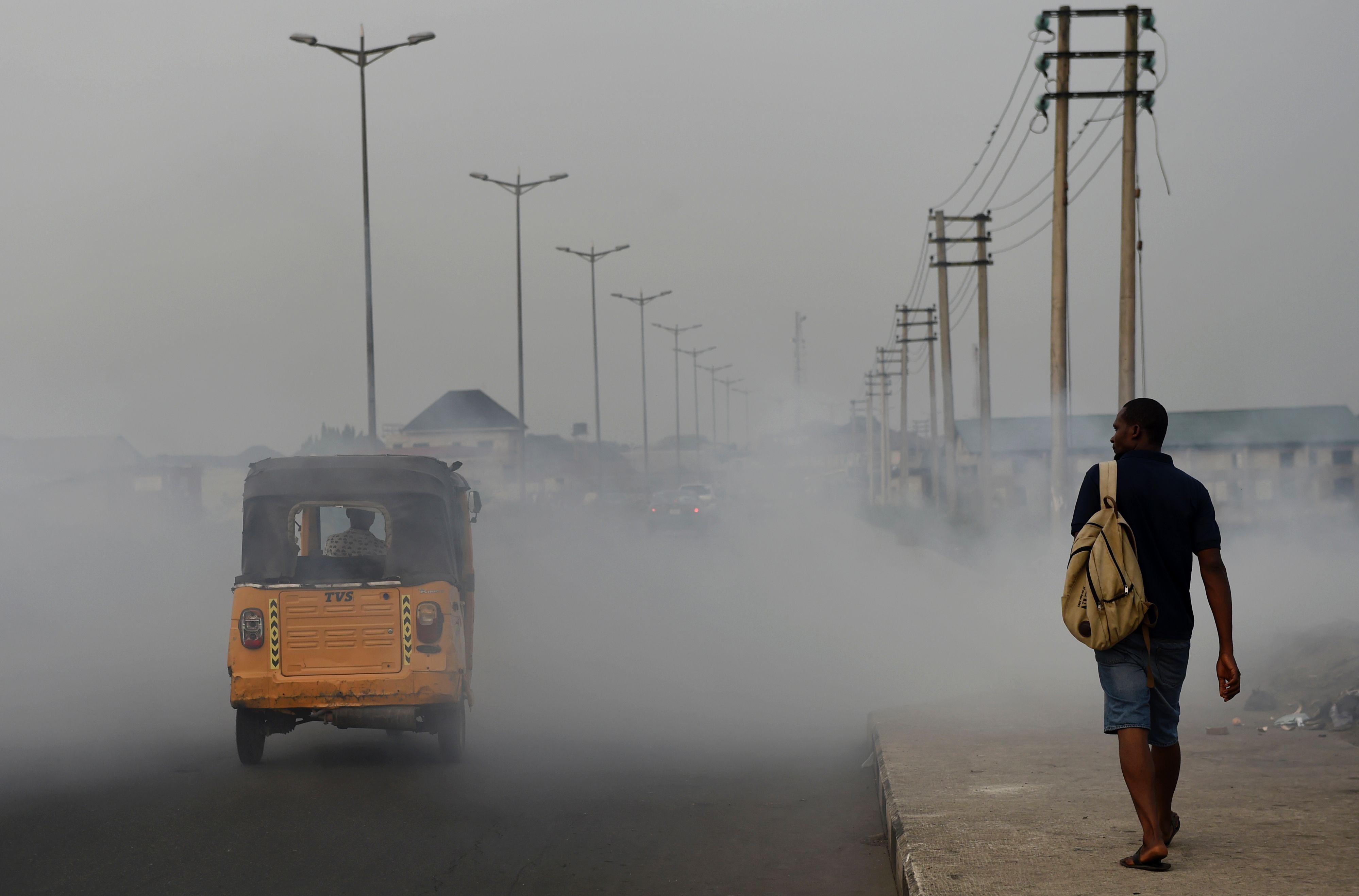
It’s no secret that China is a world leader in terms of pollution and environmental damage. With a history of rapid industrial growth paired with little policy oversight, China has become the world’s largest emitter of greenhouse gases, with masks being commonplace in cities like Beijing and Anyang to protect against overwhelming air pollution. This phenomenon also has a very real impact on the health of China’s citizens, with around two million deaths each year resulting from air pollution, which can also increase the risk of lung cancer, heart disease, and chronic respiratory conditions.
In recent years, however, the Chinese government has stepped up its game in its battle against air pollution. The foundation for certain antipollution policies sprang from the 2008 Beijing Olympics. In anticipation of international audiences, Chinese officials introduced temporary restrictions on sources of pollution to the smog-ridden city, including cars, construction sites, and factories. These policies worked, resulting in a 30% decrease in air pollution.
Five years later, after record high levels in 2013, the Air Pollution Action Plan and a “war against pollution” were declared. The strategy clearly targeted significant sources of pollution, including the use of coal, instead calling for a shift to clean energy, electric vehicles, and reform of freight transport. In addition to the action plan, policies like the Great Green Wall promote reforestation, contributing to cleaner air. The Chinese government also plans to incorporate the public in its battle against air pollution, developing forecasting systems to raise awareness. Looking to the future, China will also address a main root of the issue—industrial pollution—with emissions limits in 2027.
But do all these policies really work? Based on data so far, it looks like it is. According to the University of Chicago, Chinese particulate pollution reduced by 31.4% over the course of 2013-2022, and it’s no coincidence that this change started when the Air Pollution Action Plan was introduced. Most importantly, the improvement in the health of Chinese citizens as a result of these policies is beginning to show: where so many had previously died as a result of air pollution, the average Chinese citizen’s lifespan has now lengthened by two years. This number could stretch to 3.9 years if China continues to win its war against air pollution. Meanwhile, a significant decrease in the number of hospitalizations due to heart disease, respiratory infections, and other air quality-related conditions has been seen. Another study even suggests that almost a million premature deaths from air pollution have been avoided in recent years.
Though the correlation between increased policymaking to reduce air pollution and decreased health consequences related to air quality does suggest that such policies are making a difference, it is crucial that Chinese lawmakers continue in their crusade against pollution well into the future.








Leave a Reply