

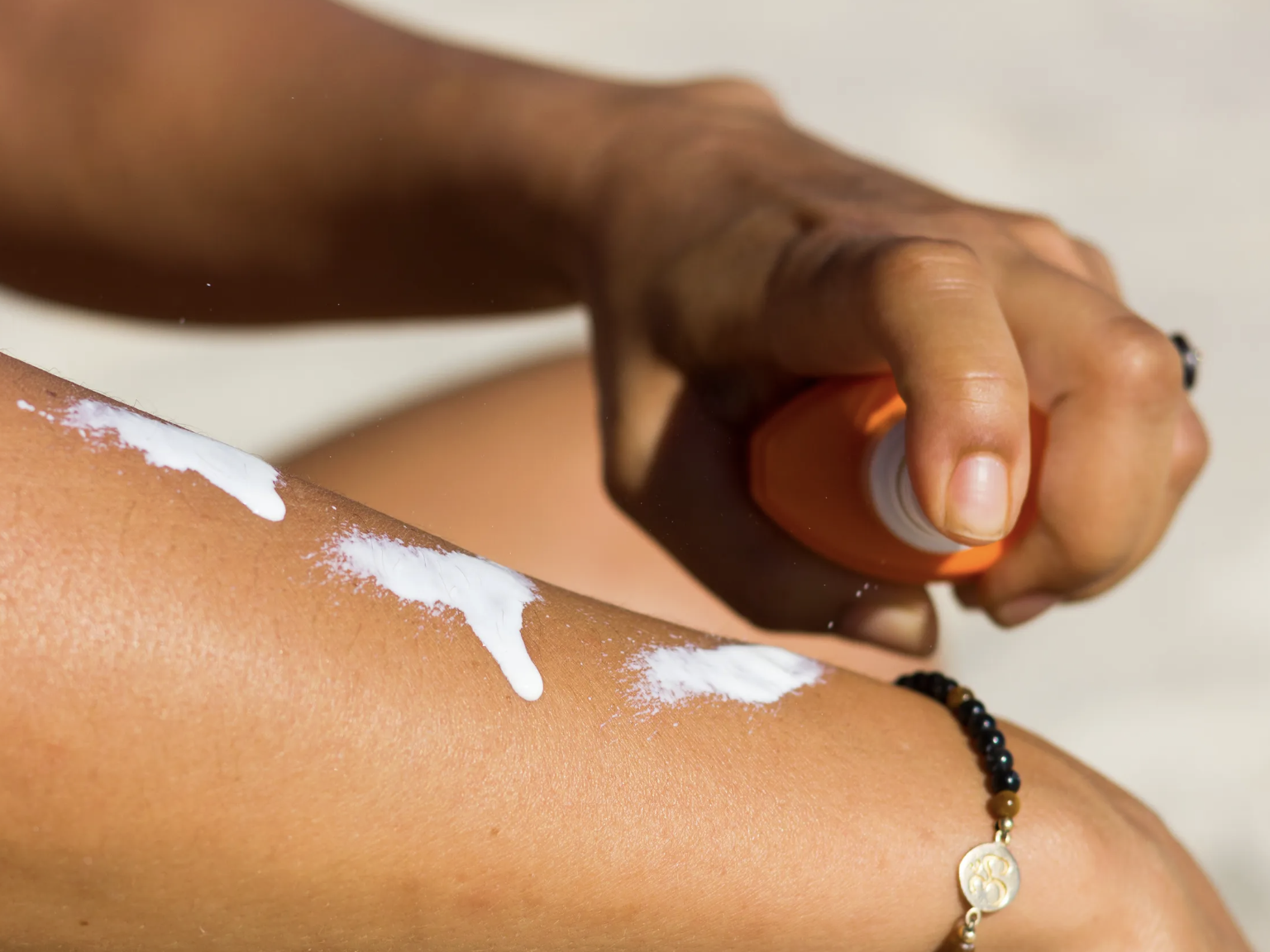
In 2026, many people still question the importance of sunscreen despite the widespread knowledge that they protect against the radiation from the sun to prevent skin cancer. Some common excuses they make up are that it is a cloudy day, their body can’t process Vitamin D, or it’s simply a hassle for them to apply it every time they go outside. However, there is one excuse that actually sounds reasonable enough to consider.
There are a lot of ingredients in skincare. This is one of the reasons people question the importance of sunscreen. Toxic sunscreen ingredients include benzene, benzophenone-3 (BP-3), octinoxate (OMC), and many more that have shown potential risks to health.
Benzene is a chemical that can cause cancer in humans. It is not listed in the ingredients for sunscreen because it is actually a byproduct of contamination during manufacturing. Benzene was clearly not an intended ingredient in sunscreen. BP-3 and OMC, on the other hand, are known to disrupt the endocrine system and can penetrate skin to the systemic circulation. It is unclear whether this poses a risk to human health, though. BP-3 and OMC are used in UV-filters in sunscreens. They are intended ingredients, unlike benzene. Benzene is limited to 2 parts per million in the FDA, but it has been found over that limit in aerosol sprays in the past.
Toxic chemicals in sunscreen can sound like a valid excuse to not wear sunscreen. However, the issue is whether it is worth the risk to skip it. In another way of seeing it, it is as if wearing sunscreen or not doesn’t change the risk of getting cancer. If both ways cause health risks, it may be unclear which is the better choice. This can also become another excuse for people who skip sunscreen since “there is no difference in wearing it or not”.
The reality is, the potential health risks of the chemicals in sunscreen are largely unproven. This doesn’t outweigh the scientifically proven danger of UV-radiation from the sun. There are also many sunscreens to choose from. Mineral sunscreens, for example, do not need BP-3 or OMC to protect against UV-radiation. Since benzene contamination mostly came from aerosol sprays, people can simply steer clear of them to avoid it. There are millions of kinds of sunscreens, and there is only one effective way of sun protection. Instead of listening to the stories people say about sunscreen, using it is guaranteed to be a smarter choice.














Leave a Reply