

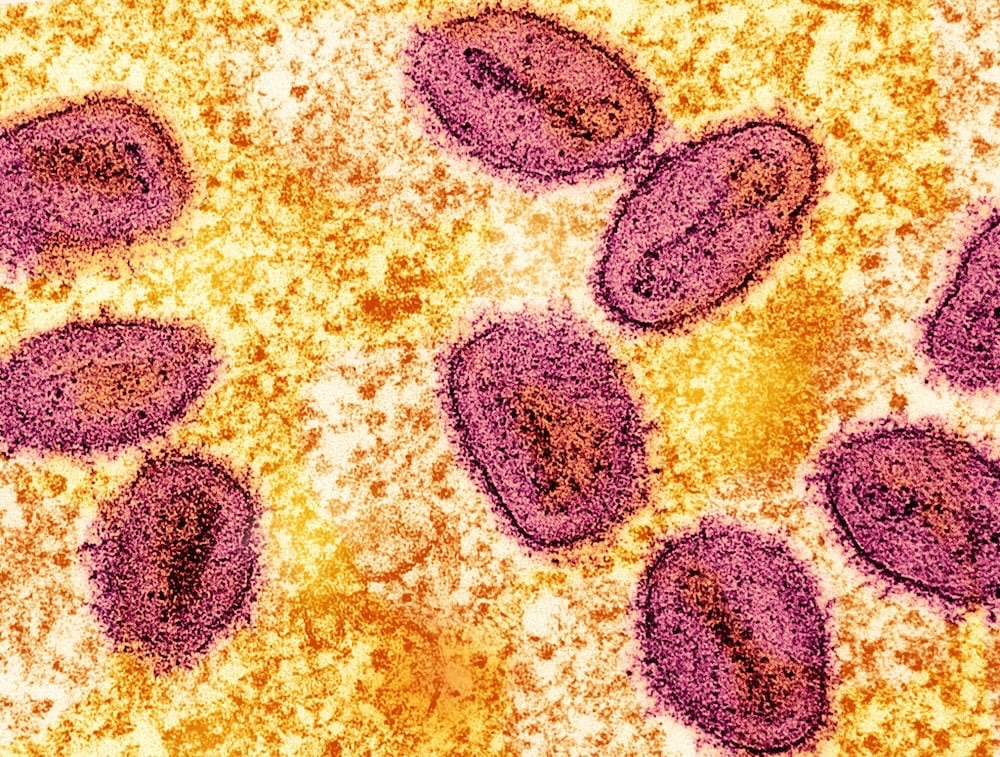
On August 14th, the World Health Organization declared mpox (monkeypox) a public health emergency of international concern. The initial surge of this orthopoxvirus emerged from the Democratic Republic of the Congo and spread throughout the African continent, making its rapid threat to global health security evident.
The National Library of Medicine indicates that the disease was first recorded in the late 1950s when researchers speculated that it arose from infected African rodents and monkeys. Despite a long period of global dormancy, a recent outbreak began in 2022.
There are two primary clades of this infection. The first (Clade I) is more severe and has a mortality rate of 10%. The second (Clade II), responsible for the recent global outbreak, is less severe, with a mortality rate of less than 1%.
The Centers for Disease Control and Prevention have laid out the common implications of this disease. Mpox causes fever, headaches, enlarged lymph nodes, muscle aches, and, most notably, a blister-like rash on the hands and face. The virus is often spread through direct contact with infected animals, humans, or contaminated materials. In most cases, the severity of these symptoms is relatively mild and not life-threatening; however, pregnant individuals, infants, and those with a history of eczema are at a heightened risk.
There are various interventions to prevent mpox. The most secure method is through vaccination. Additionally, thoroughly cooking meats, frequently washing hands, disinfecting surfaces, and avoiding contact with those infected with the disease are important preventive measures.
For more information about this outbreak click here














Leave a Reply