


This year, a relatively unknown virus called oropouche (often shortened to OROV) has been on the rise, particularly in the Caribbean and other warm, tropical regions. This virus is spread by the bites of midges of mosquitos. Symptoms include those of a fever, as it is classified as a febrile illness, including chills, headache, weakness, joint and muscle pain, and sometimes things like dizziness, nausea and vomiting, among others that last up to a week. Its enigmatic nature on the healthcare stage is what makes this virus particularly worrisome. An outbreak of such a disease could put exacerbated strain on South America’s healthcare system. Already, it has been bogging down and overwhelming healthcare facilities in the tropical regions of the world.
Across 2023 and 2024, oropouche has been on the rise. Most cases come from countries in South America and the Caribbean (including, but not limited to Brazil, Colombia, Ecuador, Panama, Peru, Cuba) and 108 cases have been reported in 2024 alone as well as 2 deaths. It has also been found in previously uninfected areas outside the Amazon basin, which is alarming healthcare experts. This can likely be attributed to factors such as climate change, animal mobility, and deforestation that alters the habitats of the virus’ hosts.
While not fatal, there is currently no known treatment or vaccines for oropouche other than over-the-counter medicines as well as rest and relaxation. Additionally, oropouche is particularly concerning for pregnant women, as it has been known to cause fetal death, stillbirths, and other defects as the virus can spread to the fetus of an infected mother. The precise effects of oropouche on pregnancy is not known, as further research continues to be conducted. According to the Pan American Health Organization, there is also speculation of neurological cases like Guillain Barre syndrome (GBS) associated with OROV. According to the CDC, there are reports of 3 recorded cases of GBS following an infection of OROV after only around 11 days. GBS is a neurological disorder where the immune system attacks the peripheral nervous system, causing symptoms like weakness, numbness, and paralysis. These reports may indicate a link between OROV and Guillain Barre syndrome, worsening concerns about the oropouche virus.
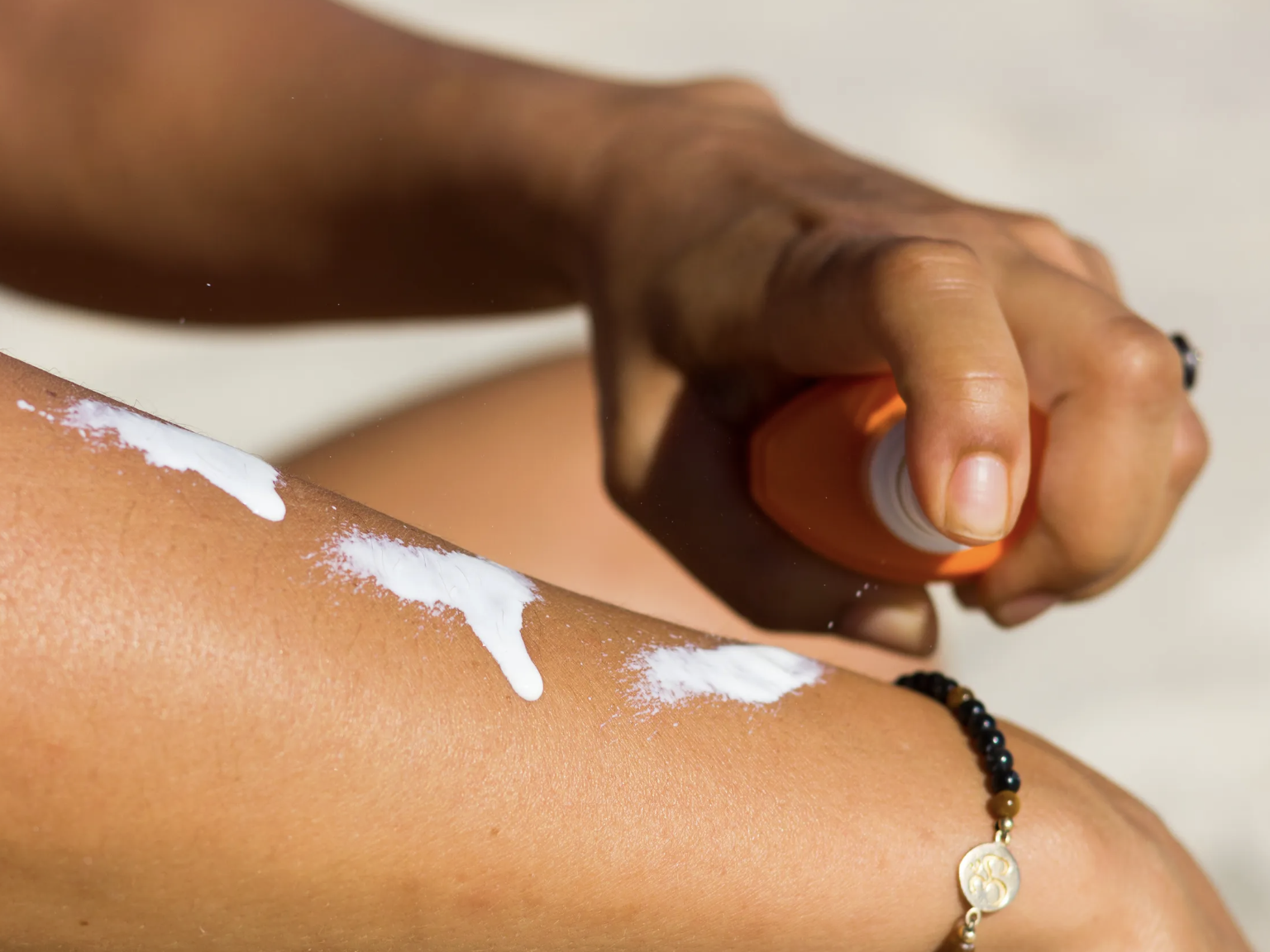
Though there is no treatment for oropouche, awareness is being spread and preventative measures are being taken. Those who travel to areas with high instances of oropouche should take measures to prevent insect bites. While transmission to areas outside tropical regions by travel is limited because of climate restrictions, it is important for travellers to keep themselves safe. The CDC encourages the use of insect repellent, closing windows and doors, and using a fan outdoors. The virus has also been found in semen, emphasizing the need to spread awareness about the potential for sexual transmission of oropouche. Considering its sudden rise this year, potential vaccines and treatments are currently being developed. Though, as of now, the best thing to do is to take preventative measures to prevent transmission of the virus and to spread awareness.













Leave a Reply