

In an era marked by climate crisis, new evidence confirms that record world warmth is no longer an extraordinary occurrence – it is increasingly an ordinary reality. No matter the periodic cooling events such as La Niña, the Earth’s average temperature keeps on rising remorselessly. Recent figures from the Met Office indicate that January 2025 was 0.09°C higher than January 2024, the 18th consecutive month global temperatures have passed above the 1.5°C point above pre-industrial times.
This is a pattern of continued warming that is being driven primarily by the continuous buildup of greenhouse gases through fossil fuel combustion supplemented by extraordinary sea temperatures that are unable to be dissipated naturally. These have provided the context for a series of record-setting extreme weather events that are destroying populations around the world.
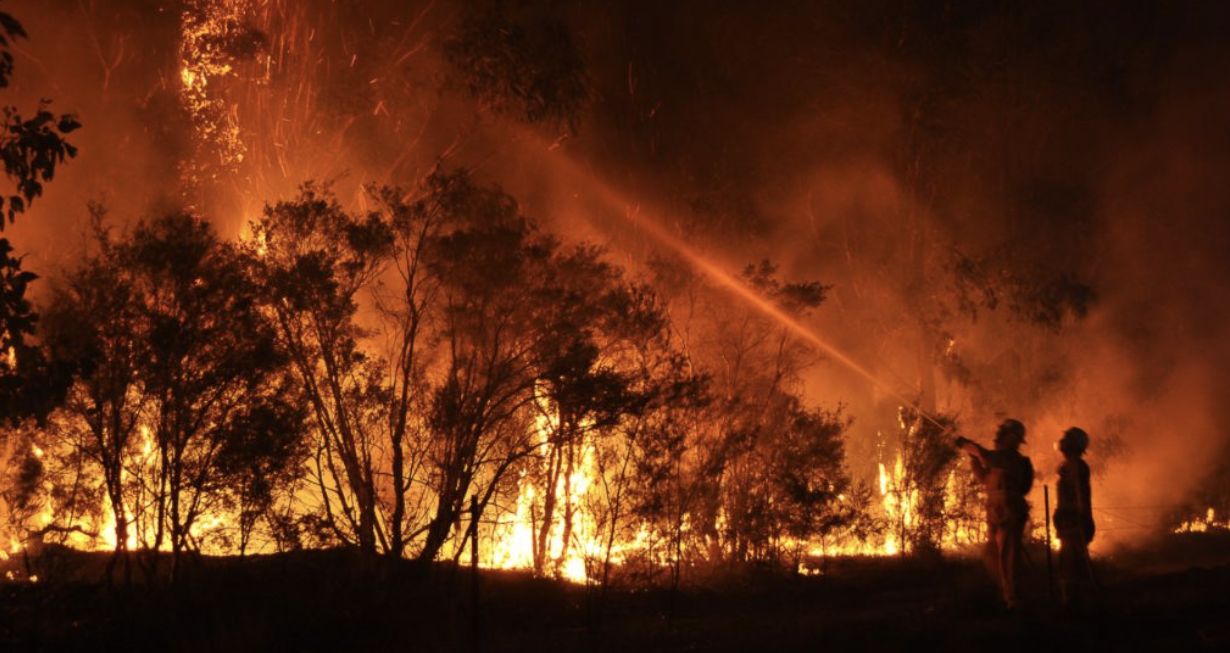
In Los Angeles, fire has already burned vast areas of ground, triggering mass evacuations and billions of dollars in economic damages. From continent to continent, cataclysmic flooding has been seen, from the Bangladesh deluge to Spain’s torrential rains, highlighting a dark truth: our current climates are being overtaken by the rapid pace of human activity. Experts like climate scientist James Hansen warn that the pace of global warming is accelerating, which means attempts at mitigation until now are trailing behind the size of the problem.
The consequences of this type of weather are far-reaching. Heatwaves are longer-lasting and more severe, with more heat illnesses and deaths. Infrastructure stress is also increasing as cities originally cooler in climate now must retrofit buildings, roads, and transit systems to be capable of handling record heat and humidity. As the temperatures continue to rise globally, coastal areas are experiencing higher sea levels and more storm surges that threaten urban cities.
In addition to this, global agricultural systems are in distress. In record-breaking temperatures, crops are in trouble, producing fewer yields and destabilizing food chains. Farmers, particularly smallholder farmers in already weak regions, are caught in a vicious cycle in which intense temperatures and changing rain patterns lessen productivity and drive up food prices, making food less secure and driving inflation higher.
While the world prepares for the next climate talks, emissions cutting and adaptation investing are high on minds. The record temperature and extreme weather patterns remind us of a stark message: the window to avert catastrophic climate impacts is shutting quickly. If policy and investment radically change not, communities across the world will continue to be ravaged by this increasing problem.
Lastly, while reducing greenhouse gas emissions remains vital, experts explain, adaptation–the ability to adapt and strengthen resilience against such disastrous incidents–has to become an absolute top priority. It must be a priority now, before the upward trend propels our world deeper into unknown and dangerous ground.














Leave a Reply