


Asthma, which is an inflammatory airway disease of long-standing that is marked by congestion that causes wheezing of the airway, kills hundreds of thousands of Americans every year. Asthma does not, however, kill all communities equally ferociously. Low-income communities and urban communities specifically bear exponentially higher rates of asthma diagnosis, hospitalization, and mortality compared to more economically privileged communities. This is a filthy intersection of environmental justice and public health.
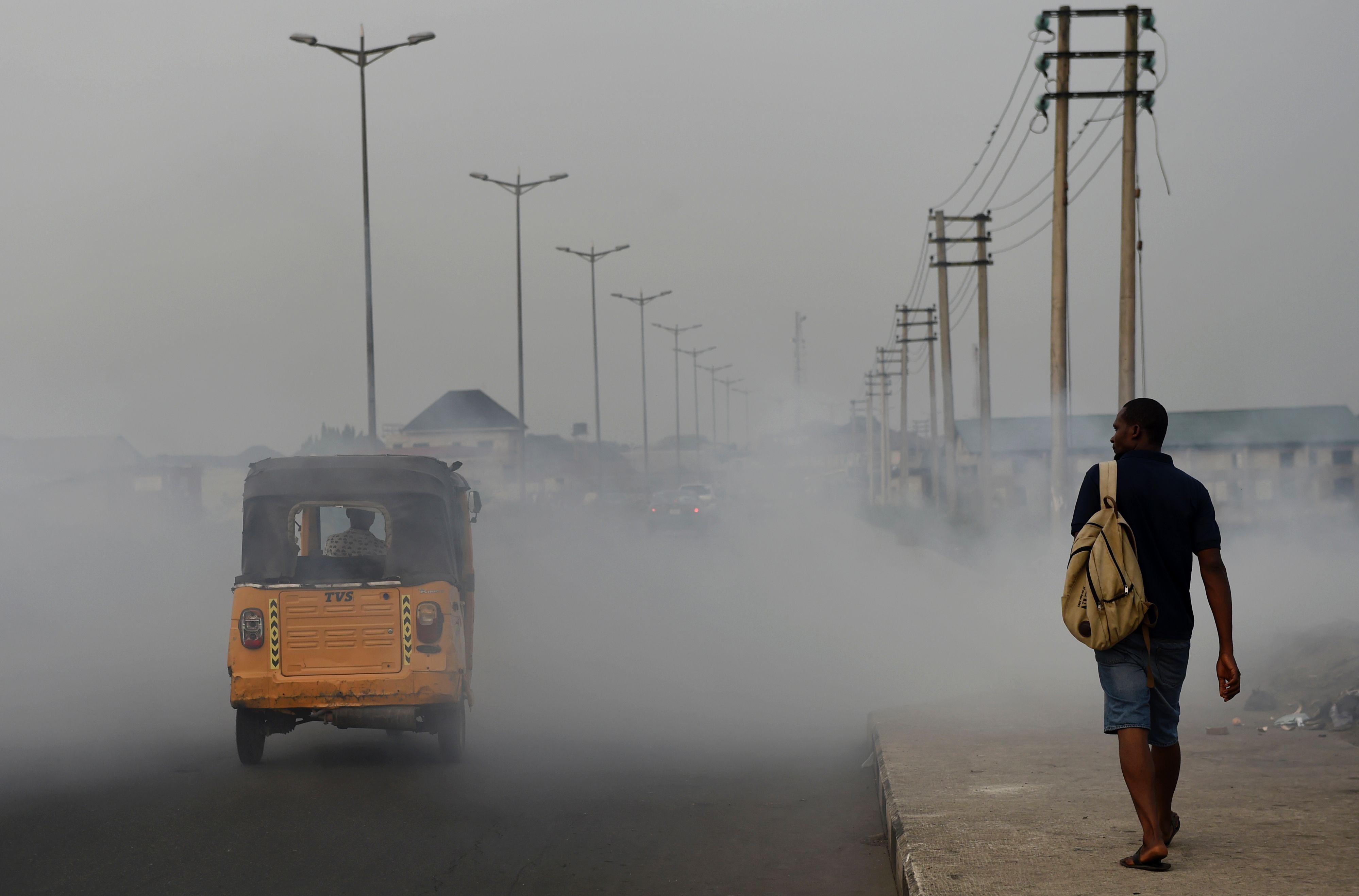
Outdoor air pollution is one of the major causes of the disparity. The poor are exposed constantly to high freeway pollution, plant smoke, and industrial and trash incinerator smoke that infiltrates indoors. Basement dampness, cockroaches, secondhand tobacco smoke, and scores of other indoor air pollution sources all contribute to asthmatic attacks being more lethal and more frequent among poor residents, especially children.
Healthcare access is also one of the primary causes of asthma disparity. Residents in poor communities are less frequently able to access primary care physicians, preventive therapy such as inhaled corticosteroids, or specialists such as allergists and pulmonologists. They consequently have suboptimal control of asthma with higher use of emergency departments and hospitalization. Asthma medication is not inexpensive, and without ongoing insurance, it is no longer within the budget of most patients. Missing medication or skipping care because of cost raises the likelihood of experiencing extreme asthma attacks. Without pharmacies available in an area or public transportation, even having medication prescribed is a significant problem.
Chronic stress, a condition prevalent with populations experiencing poverty, violence, and institutional repression, also contributes to decreasing asthma. Stress hormones have been observed to make the body inflamed, thus perpetuating asthma. Combined with toxic environmental substances, the impact on lung function is disabling. Children are particularly vulnerable. Asthma is the most common chronic disease among American children, and asthma hospitalizes inner-city children at astronomically imbalanced rates compared to children raised within suburbs or wealthier neighborhoods. Every day of school lost through asthma attacks drained the health, let alone school learning gains, from children and solidified a patterned disadvantage.
Resolution of this health disparity is a challenging effort. There must be enforcement and tightening of environmental laws to limit the degree of pollution in poor areas. Rehabilitation of poor housing through investment can prevent indoor asthmatic stimuli like mold and insects. Public health education can increase poor areas about the control of asthma.
Additionally, funding for the community health centers, asthma programs for schools, and the expansion of Medicaid can bridge this healthcare gap. Both of them can learn more about the needs of these poor patients, and their own care can also be enhanced as a result. Community-level interventions are the best. Those that have involved the residents in the process of discovering environmental triggers, clean air initiatives, and asthma screening at the community level have been the most successful. If the residents are in control of their health and environment, then change will last longer.
Finally, the end of asthma’s hold on the poor hinges on the cure of the disease, not its symptoms, however. Asthma will stop disproportionately undermining society’s most vulnerable members only when some of the underlying structural issues, such as poverty, housing discrimination, and environmental racism, are solved.














Leave a Reply