

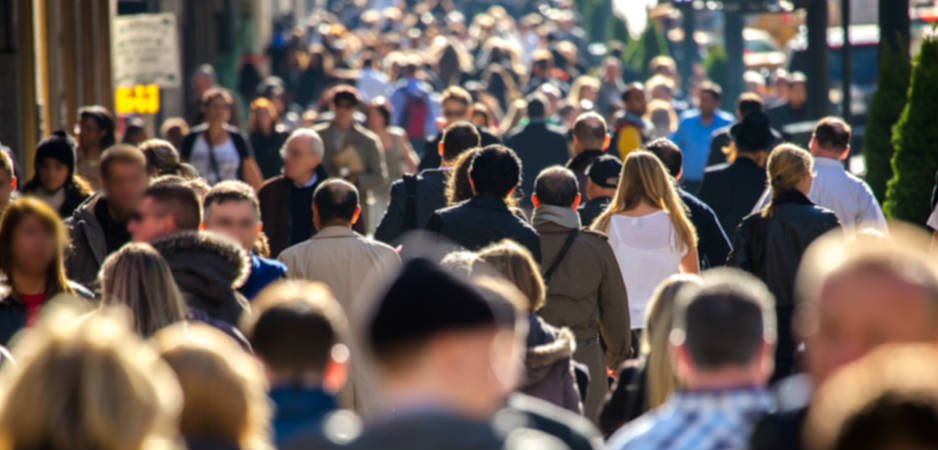
As the global population continues to become increasingly urbanized, the issue of public health implications coming from rapid urban growth is a cause for concern. As of November 2022, 55% of the global population lives in urban areas and this number is expected to rise to 68% by 2050, reports The United Nations. Although urbanization has a magnitude of positive impacts on society such as increased access to healthcare and overall improved living conditions, without sustainable policies in act, public health issues will continue to rise. Overcrowded housing and poor sanitation throughout the city are two of the most prominent issues that have continuously degraded global health. These issues that are fueled by social and economic disparities are reshaping the global health landscape.
Overcrowding and informal housing are environmental conditions that contribute to the spread of disease within urban areas. In many low-income urban areas, informal settlements lack things such as clean water, and waste management. These conditions therefore increase the risk of infectious diseases such as cholera, tuberculosis, and COVID-19. This issue was made increasingly prevalent during the 2020 COVID-19 pandemic where the virus is spread through air-borne particles. The UN-Habitat World Cities Report 2020 shows how overcrowded housing is the major contributing factor to the spread of COVID-19. This is due to the increased infected particles being transmitted and less space, therefore making it harder to maintain physical distance which allows for these particles to linger in the air and affect people easier.
These outbreaks revealed how unprepared many urban health systems are to manage large-scale health crises. According to the National Institutes of Health, during the COVID-19 Pandemic, nearly two-thirds of participating study hospitals reported overcrowding in EDs and ICUs and ventilator shortages. This only enhances the fact that urban areas were in no way ready or able to handle their mass population during crisis time.
Urbanization also intensifies the rise of non-communicable diseases (NCDs), such as diabetes, heart disease, and obesity. Sedentary lifestyles, poor diets, and stress, which are all common in urban environments, contribute significantly to these health problems. The NIH states, “A sedentary lifestyle increases all-cause mortality and the risks for cardiovascular diseases (CVD), diabetes mellitus (DM), hypertension (HTN), and cancers”. This is due to more dependability and less need to travel and movement within urban areas. This is also an effect of increase in transportation within urban areas due to an increasing population. Additionally, limited access to green spaces and recreational areas which further reduces opportunities for physical activity and movement. Additionally, the food environments in cities often favor fast food and processed meals over fresh options. A study by the NIH shows that 58.9% of the individuals who had at least one fast-food restaurant present in their neighborhood resided in urban areas. This represents how fast food is more prominent and accessible within urban communities, and these numbers will only continue to rise as rapid urbanization increases and demand rises. As the demand for these fast food places increase, so will NDC’s.
In order to respond more effectively to such issues, global health policies must focus on improving the current urban health systems. This may include things such as investing in public infrastructure and addressing social discrepancies of health such as housing, employment, and education. Almost 40% of urban residents have no access to adequate drinking water and also deal with major sanitization. An example of health policies within urban areas that improve efforts to increase sanitation within these areas is the New York’s Administration penal code section 16-120. This requires that all solid waste and recyclables be kept inside a building. This is a good step in progress in order to improve sanitation and overall global health within urban areas, however more must be done in order to preserve global health all across the world. More must be said, more must be spread in order for the understanding of how rapid urbanization is degrading urban health and what consequences come with it.














Leave a Reply