


What is the very first thing people think about the Fourth of July? Fireworks. The Fourth of July celebrates the independence of our country, yet it has a significant impact on the climate. The sparkly scene is what everyone is looking forward to during this holiday, meaning more fireworks and air pollution.
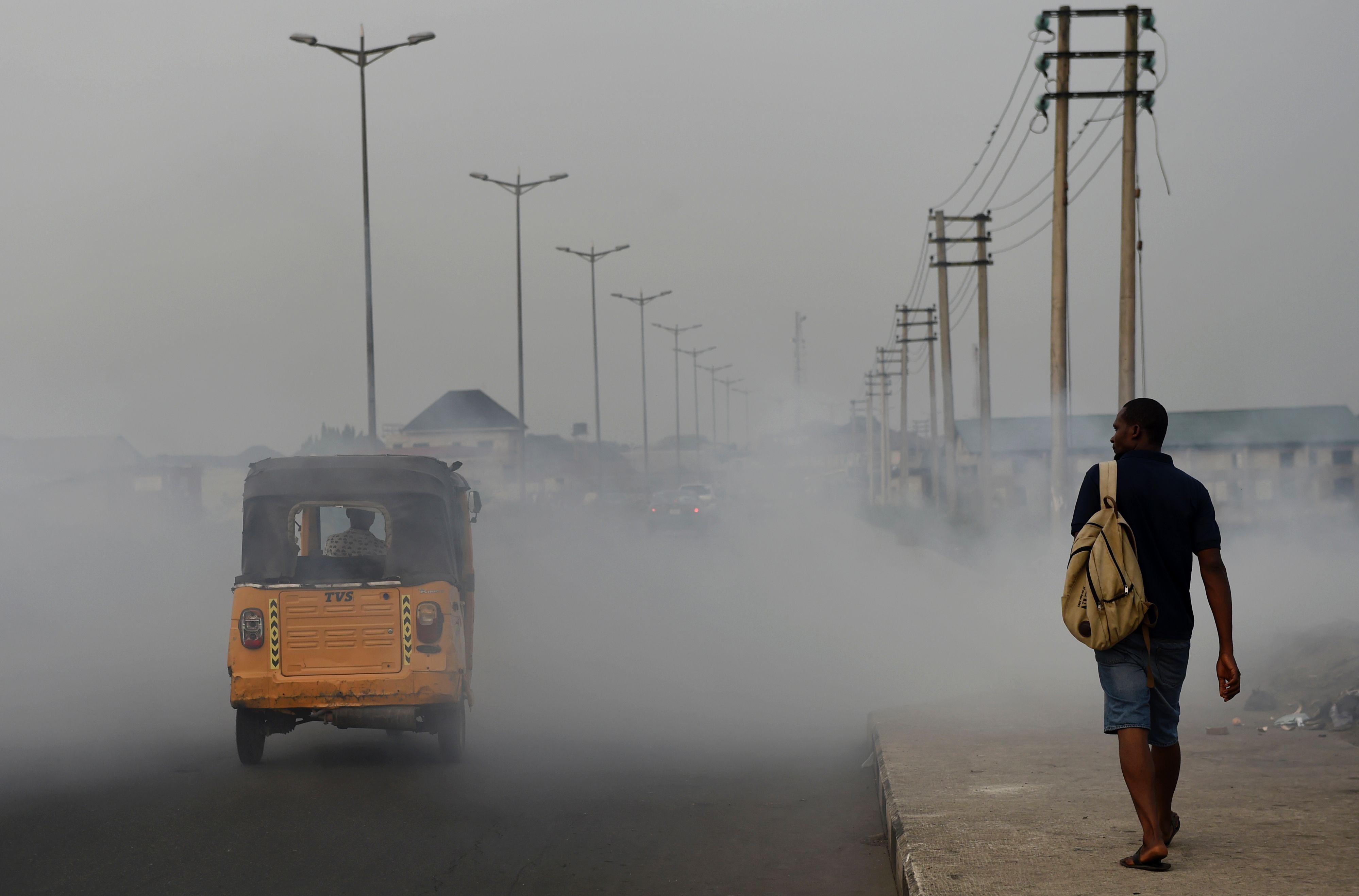
Fireworks are made up of black powder and colorants. When the fireworks go off, air pollutants are released due to those ingredients. Air pollutants can also be released from the metals that make up their structure. Not only are they being released, but they are small enough to be breathed into people’s lungs. They can also be absorbed through the lungs and enter the bloodstream. The size of these pollutants can be from 0 to 10 micrometers in diameter. Concentrations of these air pollutants increase, especially in the hours after fireworks are used. Therefore, fireworks significantly contribute to respiratory and cardiovascular diseases. Some of the health effects from the high levels of pollutants can be decreased lung function, heart attacks, asthma aggravation, coughing, and difficulty breathing. Especially due to the profit of fireworks and the increase in consumption during the Fourth of July, all of these effects take place as people celebrate the holiday.
Fireworks don’t only affect air quality. The pollutants they release also go to the water and soil. The nutrients of the soil get altered, and water becomes more acidic. Fireworks also cause a temporary warming effect, as it is a byproduct of their combustion. Additionally, the weather during the Fourth of July is typically hotter and more stagnant because it’s in the summer. Not only do fireworks add to the already warming climate, but they also pose a fire threat as conditions get hotter and drier. As pollutants in water and soil negatively affect ecosystems, wildfires also destroy the homes of wildlife and many households, forcing them to face forced evacuation as well. Many states have either banned fireworks or canceled the 4th of July show, as that is the time when fire accidents increase.
An estimated 14,000 public displays of fireworks occur in the U.S. on July 4th. There is also a notable increase in firework-related injuries during July 4th, with over 70% of fireworks-related injuries occurring around this time. Over 30,000 fires are also started by fireworks. As Americans celebrate this year’s Fourth of July, they need to take caution of the effects of firework combustion.










Leave a Reply