

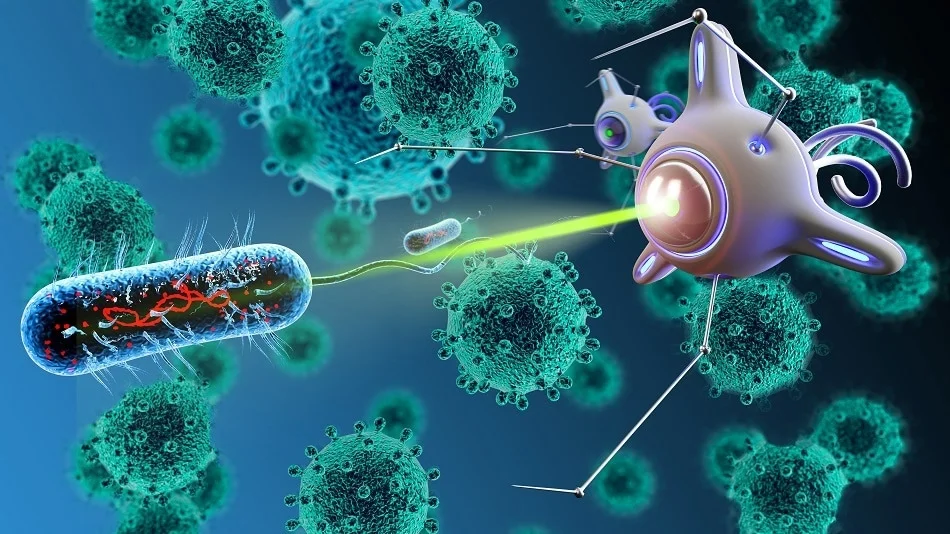
Imagine sending medicine on a mission. Not a wandering journey through the bloodstream hoping to stumble upon the right spot but rather a targeted strike. This is the promise of nanoparticle based drug delivery as a motivation of precise medicine with purpose. Therapeutic drugs when administered systemically, circulate in the body in an unselective fashion where unwanted diseased tissues, often impacting healthy tissues as much as diseased ones. Lack of selectivity often leads to systemic toxicity, poor concentrations at the sites and unwanted side effects which patients would have to endure as part of their treatments. Targeted drug delivery through nanoparticles is currently changing the paradigm of drug delivery as it will bring selectivity, controlled release and targeting to diseases as this technology is driving medicine toward a future defined by precision.
Nanoparticles ranging in sizes from 1 to 100 nanometres act not only as carriers but represent advanced capabilities as a drug delivery mechanism compared to traditional carriers. For example, nanoparticles can be designed to penetrate physiologically impermeable barriers as they can deliver therapeutics to their exact target. However nanoparticles can also change their physical dimension and shape, surface chemistry, and surface charge to modulate and affect cellular uptake. Lastly, nanoparticles can be designed, attaching a number of different ligands such as antibodies, aptamers, peptides, and small molecules on their surface which bind to different receptors that selectively associate themselves with diseased cells instead of healthy ones. This enables active targeting leading to accumulation of nanoparticles in cancer cells, inflamed tissues and atherosclerotic plaques, minimizing potential damage to healthy tissues.
One of the most captivating aspects of nanoparticle based delivery is its potential to address cancer, a disease difficult to treat without harming the surrounding healthy cells. Research from Stanford University showcases the use of carbon nanotube based delivery systems capable of highlighting atherosclerotic plaques or cancerous tissues with remarkable precision. The targeted delivery system shows a 95% plaque disease reduction in preclinical models. These nanoparticle bases offer a joint advantage where not only do they target diseased sites, but they can also provide controlled, sustained release of drugs, improving therapeutic outcomes while reducing dosing frequency.
Nanoparticles can also be modified to respond to internal or external stimuli such as pH changes, temperature and enzymes. Stanford’s team used ultrasound to activate drug release at a known location in the brain of rodents, after the nanoparticles were administered systemically. The prospect of non-invasively activating nanoparticles, may provide space for transforming new therapeutics on neurological diseases such as Parkinson’s and epilepsy. Their innovative work demonstrated how focused ultrasound can non-invasively trigger drug release from nanoparticles within specific brain regions, opening pathways to treat neurological disorders without surgical intervention.
In cancer therapy the nanoparticle mediated drug delivery is already being clinically utilized. Doxil®, a nanoparticle based version of the chemotherapy of the drug doxorubicin, exhibited a substantial reduction of the cardiotoxicity associated with use of doxorubicin which was denoted as an critical outcome. Doxil® enhanced the non targeted embolic accumulation of doxorubicin in tumors through the enhanced permeability and retention (EPR) effect, a mechanism that allows for nanoparticles to concentrate in tumor tissues because of the leaking vasculature found in many tumor tissues. Beyond oncology, nanoparticle systems are being explored for cardiovascular, infectious, and neurological diseases, signaling a future where targeted therapy could become the norm.
That said, there still persists a number of challenges required to be met. The body’s immune system will frequently identify soluble foreign nanoparticles and eliminate them before they reach their intended target. To address this issue, researchers are working on stealth nanoparticles with polyethylene glycol (PEG), to evade immune detection and prolonged circulation time. In addition, moving forward, there still remain some obstacles with the long-term safety of nanoparticles that need to be confronted before clinical implementation may be considered.
Ultimately nanoparticle mediated drug delivery is more than just an exciting technology which might shift immune treatments, it is a fundamental shift in the way we will treat disease. Researchers, especially those at Stanford are constructing the next generation of disruptive technologies to attain nanoscale precision, to now enable therapies that not just improve intervention, but also can consider safety, and personalization. This approach is poised to transform how we treat diseases offering not just therapy, but therapy tailored to the patient.








Leave a Reply