


Informal recycling is the unregulated collection, dismantling, and trading of solid waste. Unlike recycling done in formal recycling centers, informal recycling happens in homes and on streets, typically by people who lack protective equipment. When recycling e-waste in particular, practices such as open-air burning, acid leaching, and heating are used to extract valuable metals from electronics. When these practices are done without protective equipment, recyclers are exposed to toxins such as lead, cadmium, mercury, and dioxins. Young children frequently work alongside their families in informal recycling, which the International Labor Organization has called “the most hazardous form of child labor”. Children who are exposed to toxins through informal recycling experience effects such as impaired neurological and behavioral development, poor lung function, and an increased risk of chronic conditions, including cancer and cardiovascular disease.
According to UNICEF, one in three children globally has elevated blood lead levels (BLLs). The number of children with elevated BLLs in high-income countries has drastically decreased due to the phasing out of leaded paints and gasoline. Still, lead poisoning incidence remains high in some developing countries, a problem that can be partly attributed to prevalent informal e-waste recycling. Children are at especially high risk of lead poisoning because of hand-to-mouth and object-to-mouth habits.
E-waste is the fastest-growing waste stream in the world, but according to the World Health Organization, only 22.3% of e-waste is formally recycled in official recycling centers. A large part of the e-waste generated in developed countries is shipped to developing countries, where the majority is informally recycled. Informal recycling, particularly the trading of valuable metals found in electronics, provides income for many families in low to middle-income countries. The UN’s 2022 Global E-Waste Monitor reported that 3.3 billion kg of e-waste were shipped from high-income to middle and low-income countries through undocumented transboundary movements in 2022 alone.
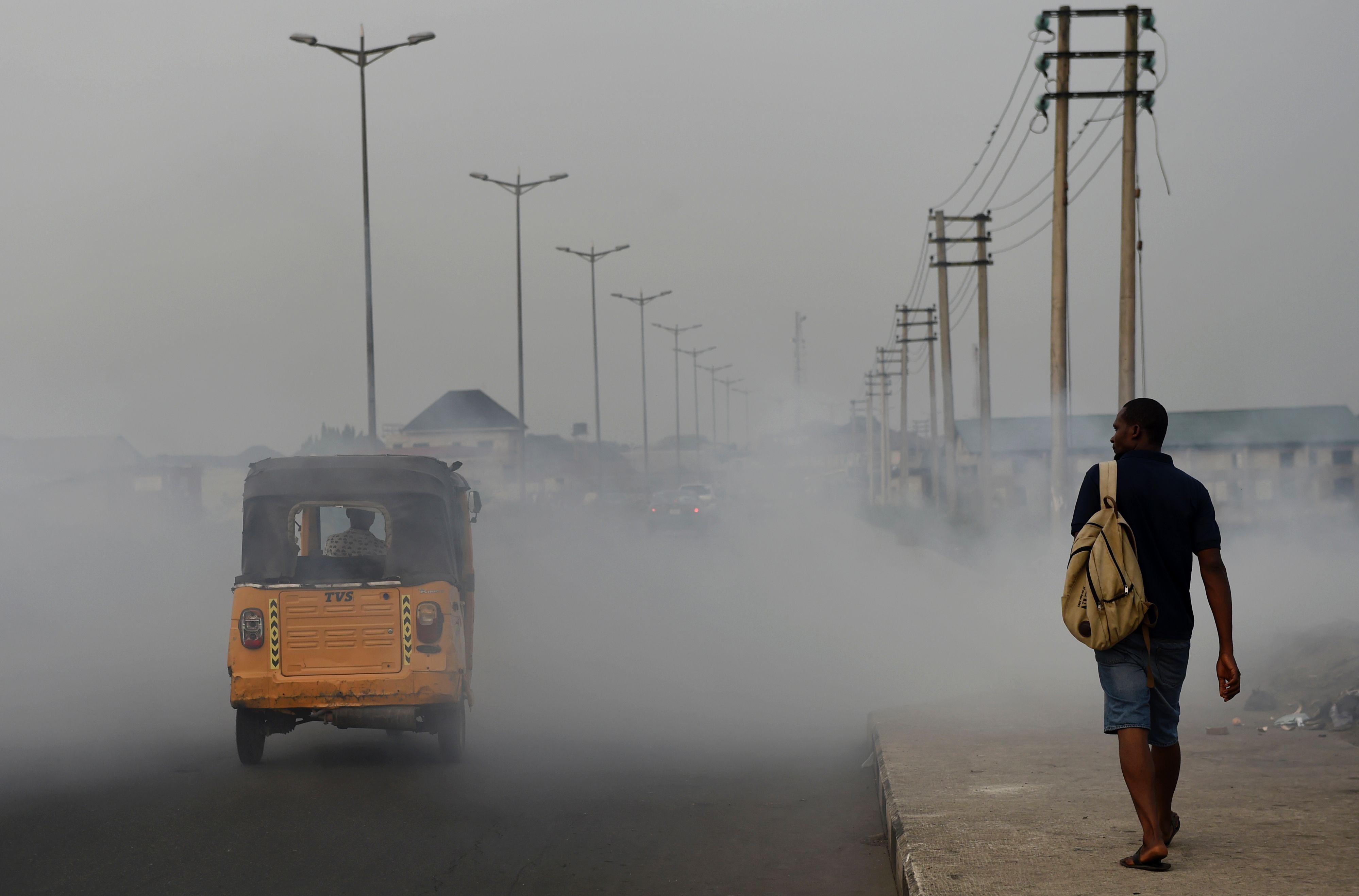
Informal e-waste recycling also poses significant environmental issues. Over 1000 different toxic chemicals are found in electronics, and informal recycling releases these pollutants into the surrounding environment, contaminating soil, water, and air. Most official recycling centers are closed off from residential areas to reduce human exposure to pollutants as a health precaution. In landfills, measures are taken to ensure that harmful substances do not leach into soil or water bodies. Informal recycling lacks these protective barriers and has the potential not only to be ingested by humans but also contaminate large areas of the environment.
The actual lifetime of various electronics substantially exceeds the average time that people use them in high-income countries. E-waste is the fastest-growing waste stream in the world, and the increased reliance on the informal recycling industry that it has caused is a threat to public health and safety.












Leave a Reply