

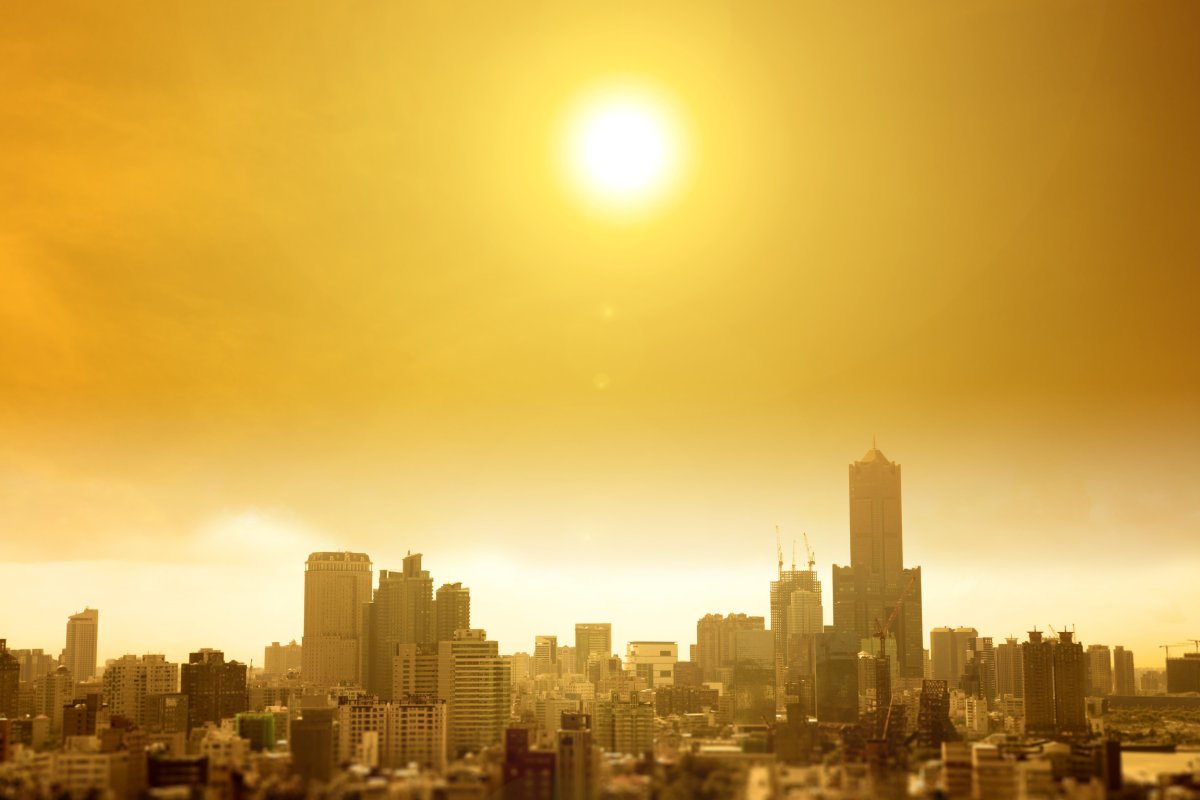
In July 2023, the streets of Phoenix and Arizona recorded a scorching 43 degrees(118 F). This temperature has led many people to visit hospitals due to illness. Meanwhile, across the globe, cities like Daegu, Cairo, and Delhi are grappling with increasingly frequent and longer heat waves. What was once considered a rare summer inconvenience has now evolved into a necessity for many countries to prepare for it.
Urban areas get hotter than rural areas due to the “urban heat island” effect – a phenomenon where cities become significantly warmer than rural areas. This occurs because concrete, asphalt, and buildings absorb and maintain the heat, and there are insufficient green spaces and water bodies to cool the air. As climates change extremes, the effect reinforces, putting cities in danger not just from the temperatures.
The health results of extreme urban heat are extensive and deadly. Long exposure can lead to heat exhaustion, heatstroke, and even cardiovascular failure. It’s especially deadly to old people and children. For people who don’t have air conditioning or adequate shelter, it can be challenging for them to survive. In cities like Karachi and Athens, spikes in temperatures have been directly connected with increased death rates. In addition to physical symptoms, extreme heat also affects mental health. Research has shown that high temperatures can aggravate anxiety, disrupt sleep, and increase aggressive behavior, and it can add another layer of stress to communities already undergoing economic and environmental instability.
Many cities are adopting innovative strategies to help their residents cope with rising heat emergencies. New York City has made a network of public “cooling centers” that open during heat waves, offering air-conditioning to a difficult population. In Barcelona, the city has promoted the installation of “green roofs” and increased urban tree cover to reduce surface temperature and improve air quality. Meanwhile, Paris has developed a heat action plan that includes text alerts and hydration stations. These reactive measures varied but share a common goal of making urban environments more resilient in the face of rising temperatures. However, their success often depends on public awareness and fair access – something not all cities have achieved.
However, the benefits of these urban cooling strategies are not evenly distributed. Low-income neighborhoods and aligned communities often lack access to reliable air conditioning or public cooling centers. An intense heat, therefore, also requires addressing the deeper social inequalities that make some populations more vulnerable than others.
Extreme urban heat is no longer a seasonal worry. This had led to a growing threat to public health and social equality. Rising temperatures and more frequent heatwaves make most vulnerable populations more vulnerable. But with smart planning, green infrastructure, and a focus on equality, cities can become more resilient. Handling extreme heat is a shared responsibility that begins with how we design and care for our urban environments.













Leave a Reply