

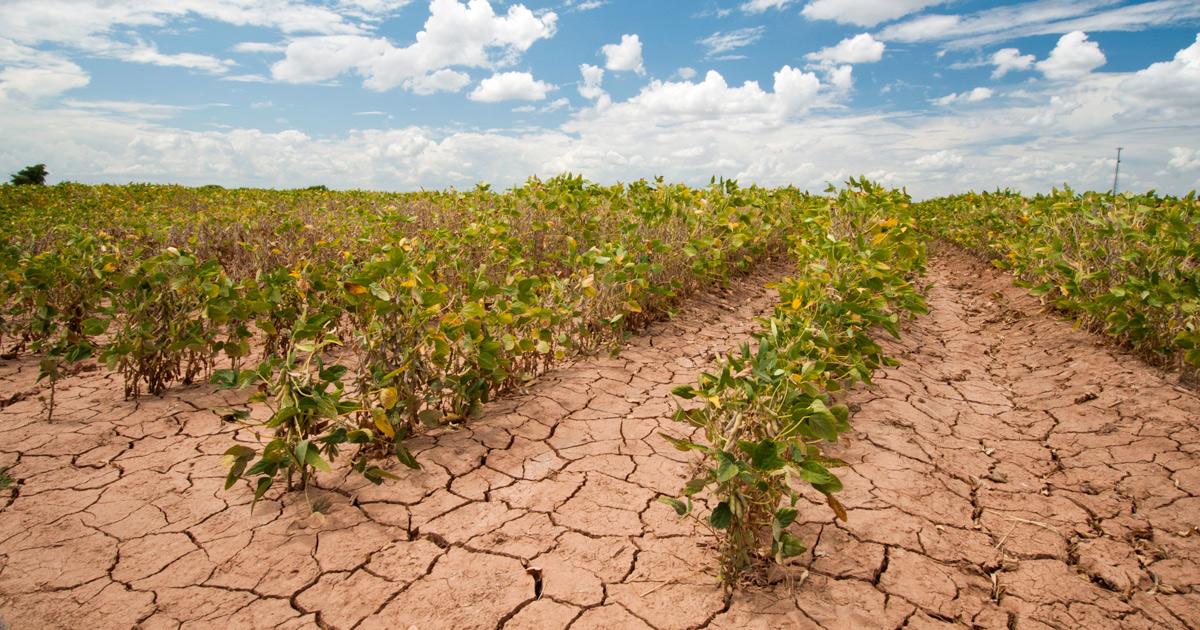
There is no doubt that climate change will affect food availability and nutrition in the coming decades. Crop yield, for one, will be heavily impacted by the changes that come with a shifting climate. Rising temperatures, for example, slows photosynthesis and reduces crop quality. It also increases evaporation, drying out soil, and making plants more vulnerable to drought. Climate change is affecting the environment at a greater rate than plants and farmers can adapt. Less frequent but more intense bouts of rainfall will also negatively impact many plants with harsh dry periods destructive to crop yield.
Some studies suggest that every additional degree Celsius of global warming will decrease the average person’s calorie consumption by 120. Harsher climate and higher temperatures narrows the amount of land where vital crops like corn and wheat can be yielded, especially in the U.S. midwest, a region where crop yield is a cornerstone to national U.S. agriculture. Other simulations and models show similar drastic declines in major crops for sustenance like maize, wheat, etc. What does this entail for global health?
A lower global crop output will further drive up already rising food costs, putting those who are food insecure in an even more precarious position. There is also a major concern of malnutrition and micronutrient deficiencies. With higher levels of carbon dioxide in the atmosphere, vital nutrients (for example, iron, protein, and zinc) drop in crops. Other vitamins from fruits and vegetables are crucial for young, growing children and access to them will grow limited with the acceleration of climate change. This also raises concerns of diet-related diseases such as diabetes and mellitus, where blood sugar levels are too high.
Additionally, a cheaper, low quality, calorie dense diet may become more popular; this contributes to higher obesity rates and a poorer quality of health, especially in low income areas. Globally, a lower quantity of high quality, natural food will exacerbate health concerns.
In response to this issue, farmers and scientists are collaborating and working to adapt. Scientists are working to send more accurate weather data to farmers, mitigating unnecessary losses. Some research teams are also developing heat and drought tolerant crop varieties, using contemporary novel technology like genetic engineering. AI models, drones, and sensors are other devices that can help farmers work more effectively. More diverse crop rotations may also help remedy the situation. However, adaptation must begin now in order to be effective.












Leave a Reply