

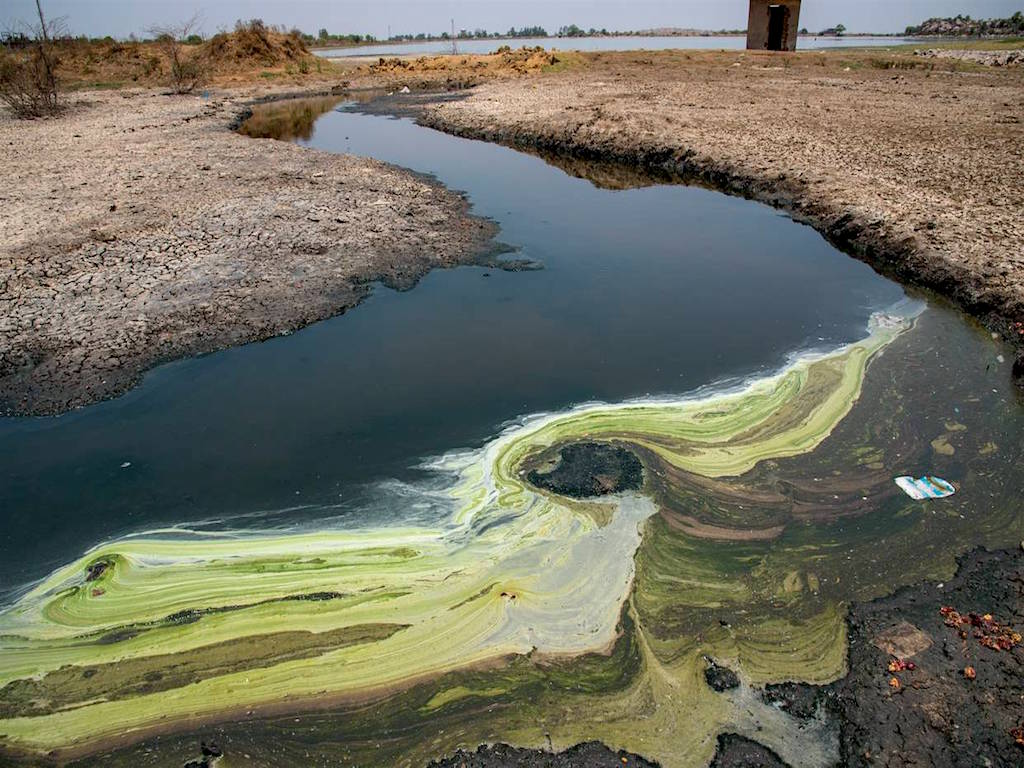
Water is vital to human health, playing a key role in nearly all of the body’s functions. In fact, the body is made up of 50-70% water. Drinking water does more than just relieve your need for hydration. Since water is essential and supports daily needs, it is crucial that the quality of water is good. There are so many diseases and sicknesses people can get from contaminated water, and it can directly affect human and environmental health. Given that one in three people on Earth does not have access to clean drinking water, water pollution stands out as a significant global issue.
Some of the causes of water pollution are industrial and domestic waste, runoff, oil spills, and so much more to list. When people or companies just don’t dispose of waste properly, it contributes significantly to water pollution by contaminating the water. The use of pesticides from farm activities also contributes to water pollution because of runoff. Storm runoff can pick up chemicals and waste before entering waterways as well. Due to climate change and more frequent storms, the water pollution issue is even worse. There are various human activities that introduce contaminants in water sources, and it is only creating a cycle from harming the Earth and back to human health. Some examples of waterborne diseases are cholera, polio, salmonella, and even leech infestation. Unsafe water sources are responsible for causing over one million deaths per year globally. Although death rates are higher in low-income countries, contaminated water is an issue that affects people in every part of the world. Even if the place has improved water sources (sources that reduce contamination in water), it does not guarantee protection from water pollution or water free of contamination. This means that it is even more crucial for there to be a solution to this water pollution issue.
Some ways an individual can possibly help are proper waste disposal. Pouring chemicals or paints down drains and toilets should be avoided. Many still don’t know how crucial this issue is. According to the World Health Organization, the world needs to quadruple the current rates of progress for achieving safe water sources for all by 2030. This means that if current efforts continue at this pace, billions of people will still lack access to safe water sources by 2030. Accelerated action in investments, strong government commitments, and innovation are urgently needed.










Leave a Reply