

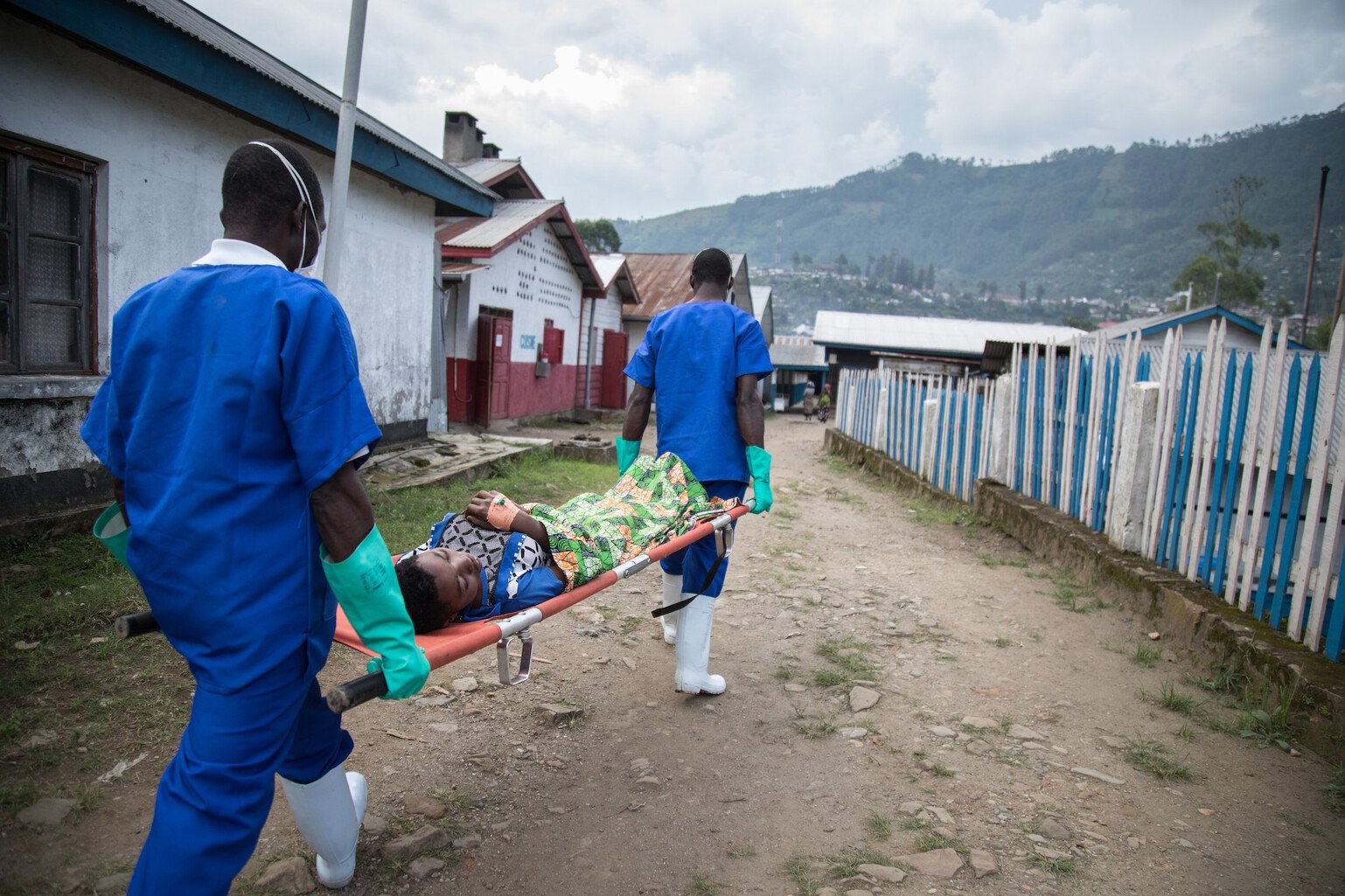
Climate change is not just a problem with glaciers and sea levels. It is becoming clearer in community health centers at this moment. Rising temperatures and changes in precipitation patterns widen the habitat of vectors such as mosquitoes and mites, and frequent extreme weather conditions shake safe water and sanitation systems. As a result, unfamiliar infectious diseases emerge in new areas, and familiar diseases become difficult to control.
Dengue fever is a representative case. Over the past 20 years, the number of global reports has increased more than eightfold, and cases have been confirmed in southern Europe and the southern United States. Warmer winters and longer heat help Aedes mosquitoes overwinter and reproduce. Malaria is similar. Reports are increasing in areas that were rare before, such as the highlands of South America and East Africa, but residents here are more vulnerable due to a lack of immunity and coping experience.
Water issues are another key issue. Waterborne diseases such as cholera are likely to spread due to contamination of drinking water sources after typhoons and torrential rains. On the other hand, a drought makes it difficult to obtain safe water and relies on unsanitary water sources, increasing the risk of intestinal infection. Both extremes are becoming more frequent and are already putting a heavy strain on an overloaded healthcare system.
Lack of preparation is also revealed. Hospitals in newly dangerous areas lack diagnostic experience, equipment, and vaccines, and often lack control and monitoring systems or education materials for residents. Basic measures such as mosquito larval habitat removal, insect screens distribution, and targeted insecticides are also difficult to implement without prior planning, budgeting, and cooperation between institutions.
There is a solution. First, risk is predicted in advance with climate-based monitoring that links temperature, vector data, and patient data. Second, strengthen front-line capabilities. Standardize rapid diagnosis and education for medical personnel. Third, engage residents as equal partners to regularize risk communication. The success or failure of an intervention is determined by ‘field knowledge’, such as the point where a waterhole occurs after a heavy rain.
The key is to shift our perspective from one climate response to a health response. Reducing greenhouse gas emissions protects coral in the distant future while also reducing mosquito habitats and bites in the near future. When designing various climate adaptation measures, the effectiveness is doubled by installing the “infectious disease prevention” function together.













Leave a Reply