


Consistently getting a good night’s sleep is something that is seen as important by scientists and researchers around the world to maintain a healthy lifestyle. Now more than ever, researchers are advocating for individuals to get a good night’s rest after the findings from a brand new study. Scientists analyzed a group of adults with detailed brain scans in order to determine a participant’s “brain age.” Normally, this “brain age” matches up with a person’s chronological (actual) age. However, after going through data about the participants’ sleep habits, the researchers learned that individuals with sleep issues or poor sleep hygiene were more likely to have an advanced brain age.
According to a National Health Interview Survey from 2020, 14.5% of adults reported having difficulty sleeping. Individuals can struggle with sleeping due to a multitude of reasons, including sleep apnea and insomnia. Some research indicates that chronic sleep issues can affect one’s mood and raise their risk of having health issues, such as heart attacks. This occurs because a lack of sleep disrupts the body’s immune system, which can, in turn, increase inflammation.
The researchers in the study took a more in-depth look at brain age and its relation to sleep habits by analyzing over 27,000 adults in the United Kingdom. The adults had an average age of 55, with 54% of the participants being female, and the other 46% being male. The participants completed a series of questionnaires at the start of the study on sleep aspects, such as hours of sleep, snoring, and daytime sleepiness. The researchers used these responses to categorize the participants into three categories: healthy sleep patterns, intermediate sleep patterns, and poor sleep patterns. The researchers also took blood samples to measure baseline inflammation markers in the adults.
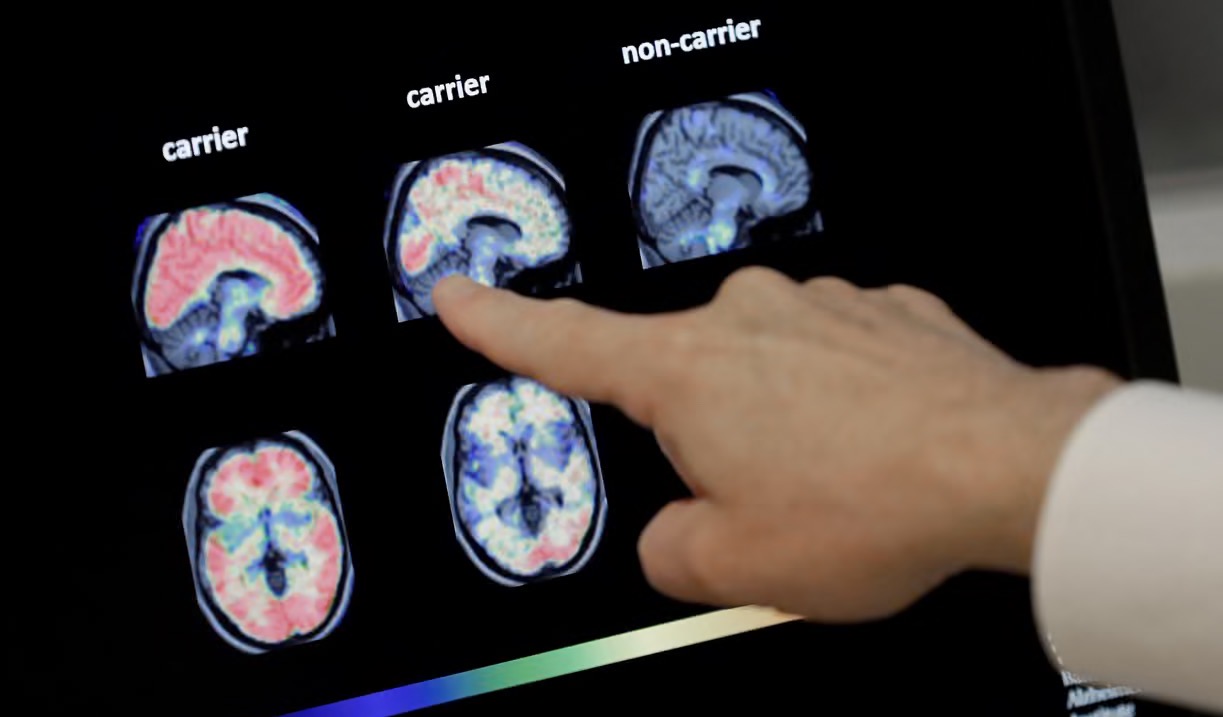
Nine years after the initial data collection, the participants underwent MRI scans to determine their “brain age” in comparison to their chronological age. The researchers found that people with worse sleep scores had an average “brain age gap” of 1 year. Individuals with the lowest scores had the largest gap between their brain age and chronological age, with their brain aging accelerating by about 6 months for every drop in sleep quality. A surprising finding was that this correlation was stronger in men than in women. The researchers also found that inflammation explained 10% of the connection between sleep and accelerated brain age.
The initial findings of this study indicate that there is a correlation between sleep habits and accelerated brain age. However, there are some limitations to this study as the sleep habits of the participants were self-reported, meaning that there could be inaccuracies in the data. More research is needed on this topic, but the early results show that having a good night’s sleep is beneficial for brain longevity.














Leave a Reply