


According to the White House, the Trump Administration wrongfully claims that acetaminophen use in pregnant women causes fetal neurological problems. The President encouraged women to simply tough it out and refrain from using popular painkillers that contain acetaminophen such as Tylenol. His stance reaffirms the trend of blaming autism and other developmental disorders on women. In light of Trump’s public statement and misinformation, it is important to flesh out debates about the exact cause of autism.
Acetaminophen works as a pain reliever by blocking some enzymes in the brain. It’s largely harmless, but some researchers have observed a correlation between acetaminophen consumption in mothers and a higher risk of autism in their children. This has sparked public debate around using Tylenol during pregnancy, but many studies have clear flaws: confounding variables, issues with the methodology, recall bias, experimenter bias, etc.
It’s important to keep in mind that a link or correlation does not necessarily mean one variable causes the other variable. For example, a third, possibly indirect variable could explain some positive correlations. Take the use of Tylenol itself: Tylenol is used to reduce fevers, and fevers in pregnant women themselves have been linked to higher rates of autism. It may be the fever, not the drug, that is responsible for this observed correlation. Hence, thus far, there is no concrete, causal evidence to suggest acetaminophen causes these outcomes.
Confusion had descended earlier in history, especially with vaccines, for instance. In the late 1990s, now discredited research posited that the MMR vaccine was responsible for causing autism. This was because autism signs begin to appear around the time children are immunized. Therefore, it was easy for one to think that it was a cause and effect relationship. Though, large-scale, carefully structured studies involving millions of children dismissed any link between the two. It was only coincidental. Again, the link was likely due to an outside variable that made it seem as if vaccines were the cause of autism. The misconception, however, had paved the way for vaccine fear and outbreaks of preventable diseases such as measles. The “vaccine and autism” debate continues to be brought up, although it has been debunked by science numerous times.
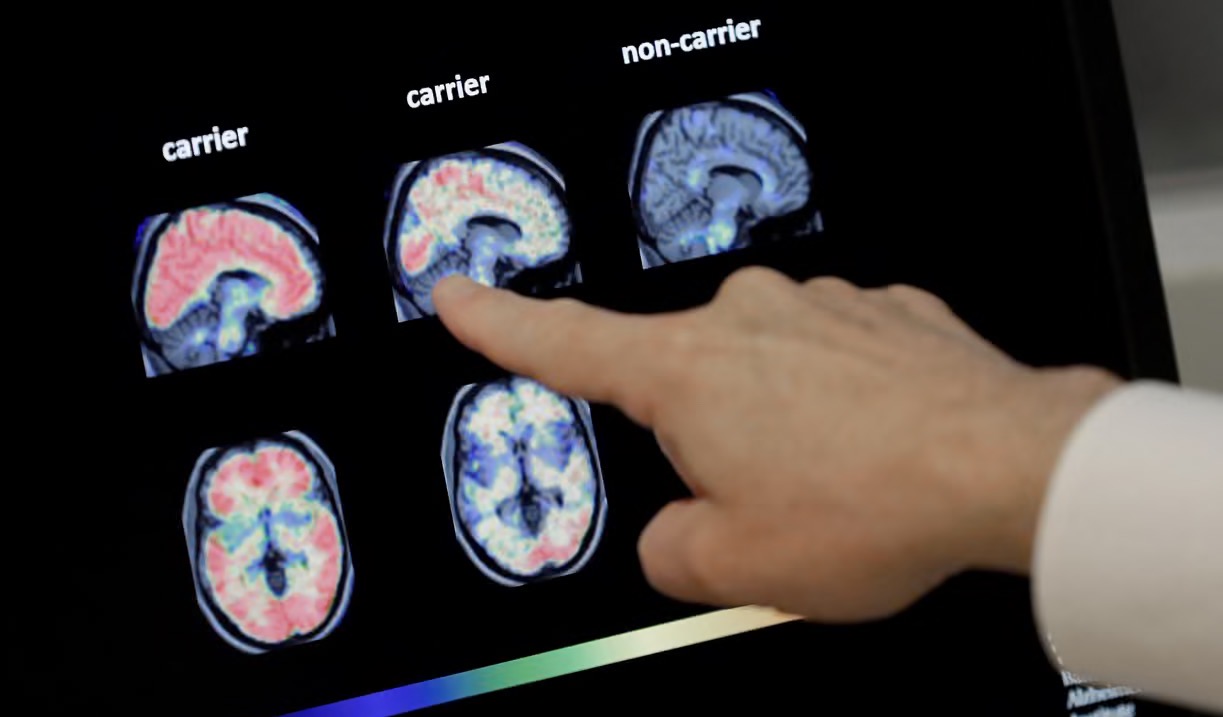
The truth? The exact cause of autism is probably a mixture of genetic and environmental factors. Some research points to random mutations in genes and heredity. Others point to prenatal exposure to external factors like heavy metal and chemicals in fertilizers. As research continues to develop, it is important for the public–especially mothers–to stay informed and evaluate medical claims prudently.












Leave a Reply