


By now, everyone knows the impact of climate change on the environment. It melts polar ice and destroys habitats, but what most people don’t realize is that climate change is also significantly impacting the health of humans.
Climate change has been taking over the news during recent years, with little action actually being taken to stop this catastrophic phenomenon. This may be because people don’t realize its true impact on humans. With temperatures and the number of dangerous weather events increasing all around the globe, the very species that caused the issues of global warming is ironically the main victim.
When someone asks you what the fundamentals of human health are, what would you say? Most likely, things like clean air, safe drinking water, wholesome food, safe housing, and efficient health systems. According to the World Health Organization (WHO), due to climate change, these basic necessities of health are already starting to be diminished for many individuals. The WHO projects that annually, climate change alone will account for around 250,000 extra deaths from undernutrition, malaria, diarrhea, and heat stress.
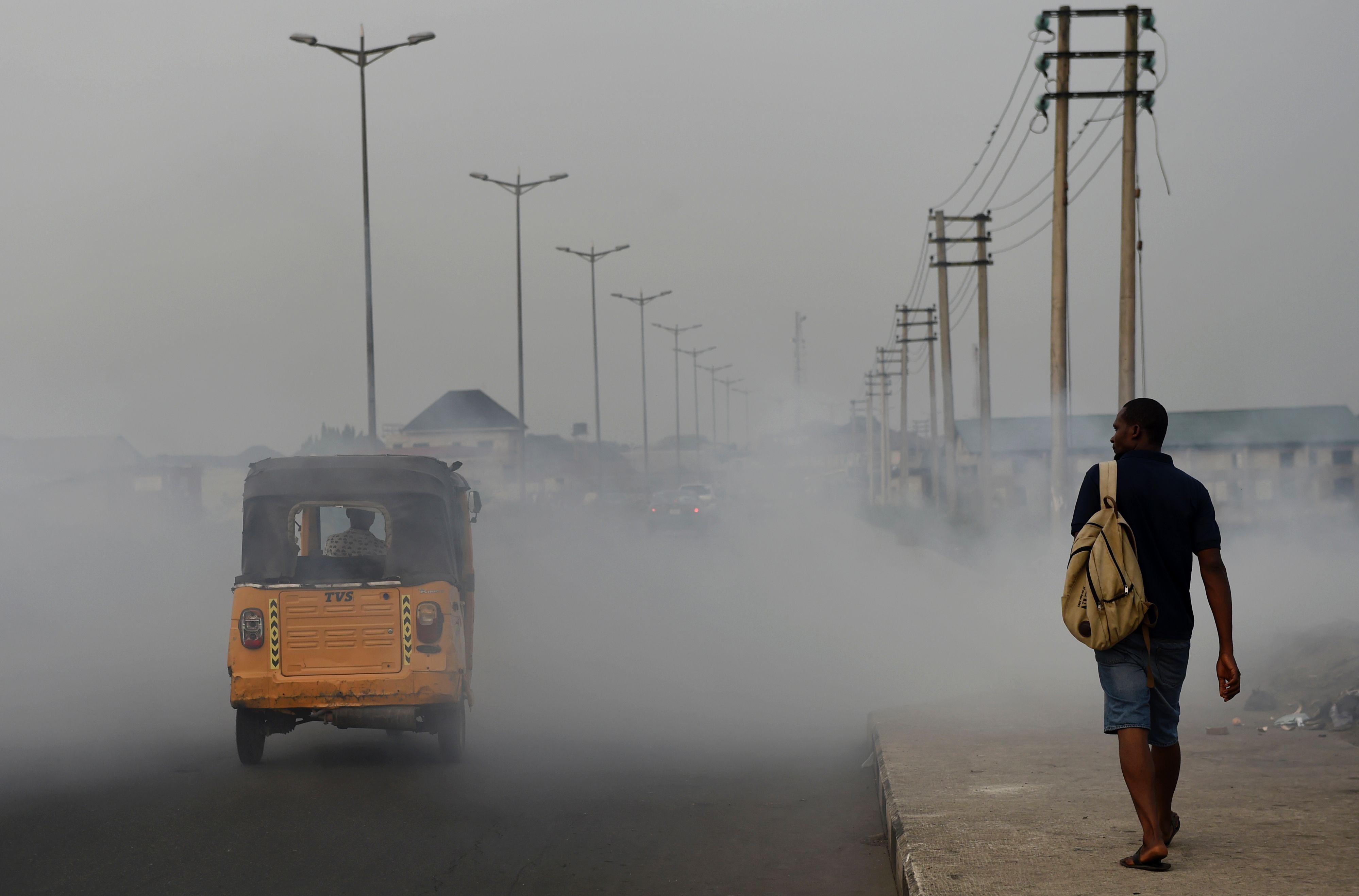
One example of climate change’s effect on human health is heat. Heat-related illnesses like exhaustion, heat stroke, kidney and heart disease, and pregnancy complications increase with the rising temperatures. Furthermore, things like droughts and wildfires are also caused by climate change. This leads to deteriorating air quality, which can correspondingly cause respiratory illnesses and breathing issues in humans. And if that wasn’t already enough, it turns out that climate change-related extreme weather events in the United States have been demonstrated to harm access to care, increase hospitalization rates (after flooding), increase air pollution burdens, and put a strain on health systems.
Clearly, if you hadn’t known about this information earlier, it’s a good time to rethink climate change and put it into the perspective of human health.
To add on, here are some ways that climate change can indirectly impact the health of humans:
- Communities affected by heat waves or floods may experience mental health issues, such as trauma from the disaster, anxiety, and depression.
- Health care infrastructure and supply chains are vulnerable, and high-hazard hospitals get disrupted, which means in emergencies, the most vulnerable are deprived of treatment.
- Economies are affected: a recent report estimates that by 2050, worker availability losses from climate-induced injuries and illnesses across key sectors could amount to more than 1.5 trillion US dollars. When humans suffer economic losses, it negatively impacts their ability to maintain proper health.
So here’s the bottom line:
The climate-health crisis isn’t on the calendar in some far-off decade; it’s here now, and it’s significantly impacting humans. From what we breathe to the heat we suffer, from hospitals built in floodplains to kids growing up in heat-baked neighborhoods, climate change is rewriting the rules of public health. We must approach climate not as an impactful issue, but as central to the story of the health, illness, and well-being of people all around the world.












Leave a Reply